
Call Us
+86-18962820095

 Español
Content
- 1 Why PVC Is Naturally Flame Retardant
- 2 The Additives That Finish the Job
- 3 Standards Buyers Should Name in the Order
- 4 Specification Checklist for Flame Retardant PVC Tarpaulin
- 5 Where Flame Retardant PVC Earns Its Cost
- 6 Sourcing and Compliance Pitfalls
- 7 A Quick Incoming Inspection You Can Run
- 8 Matching the FR Level to the Job
A container of flame retardant PVC tarpaulin can look perfect on arrival and still fail the buyer's vertical burn test. The failure is rarely about the polymer itself. It usually comes down to how much flame retardant additive was dosed, how heavy the coating is, and whether the additive was compounded into the PVC or only applied to the surface.
Here is the short answer. PVC is one of the easiest plastics to make flame retardant, because the chlorine built into the molecule already does much of the work. What decides whether your tarpaulin passes a specific standard is the additive package, the coating weight, the plasticizer level and batch consistency, not the words flame retardant printed on a datasheet.
Why PVC Is Naturally Flame Retardant
Rigid PVC contains roughly 56 to 58 percent chlorine by weight. When it is heated, the polymer releases hydrogen chloride, and those chlorine bearing species interfere with the chain reactions that keep a flame alive. The practical way to measure this is the limiting oxygen index, or LOI, which is the minimum share of oxygen in the surrounding air needed to sustain combustion. Rigid PVC sits around 45 to 50 percent. Polyethylene is around 17 to 18, and polyester is around 20 to 21. Ordinary air is about 21 percent oxygen, so rigid PVC normally stops burning by itself once the ignition source is removed.
Flexible PVC is a different story. A tarpaulin recipe may carry 30 to 40 parts of plasticizer per hundred parts of resin, and plasticizer is fuel. The LOI of a soft PVC compound typically drops to somewhere around 22 to 26, which is close enough to air that a thin, heavily plasticized film can keep burning. That gap is why flame retardant PVC tarpaulin exists as a separate product line instead of a standard catalogue item.
The Additives That Finish the Job
Three families of additives do most of the remaining work, and they are often combined in the same compound.
| System | Typical loading | How it works | Trade offs |
|---|---|---|---|
| Antimony trioxide | 2 to 5 phr | Vapor phase radical trap with strong synergy with the chlorine already in PVC | Cost, dust handling, price volatility |
| Phosphate esters or chlorinated paraffins | 5 to 20 phr as a partial plasticizer replacement | Keeps the film flexible while raising the oxygen index | More smoke, migration risk, short chain grades restricted in some markets |
| Aluminium trihydroxide or magnesium hydroxide | 40 to 60 phr | Endothermic decomposition cools the surface and dilutes smoke | High loading reduces tensile strength and hand feel |
| Zinc borate or molybdenum compounds | 2 to 5 phr | Smoke suppression and char promotion | Supporting effect only, not a primary flame retardant |
For coated and laminated tarpaulin, the flame retardant is normally compounded into the PVC paste before coating, so the property runs through the whole layer. A topical treatment is cheaper, but it sits on the surface, wears away under abrasion and washing, and creates an unpleasant surprise on the second order.
Standards Buyers Should Name in the Order
A supplier claim that says the fabric meets flame retardant standards, without naming a standard, tells you almost nothing. These are the ones that come up most often on purchase orders.
| Standard | What it measures | Where it is used |
|---|---|---|
| ASTM D6413 | Vertical flame test, reporting afterflame, afterglow and char length | US fabric and cover specifications |
| NFPA 701, Test Method 1 | Weight loss after flame exposure, usually 40 percent maximum | US tents, drapes and membrane structures |
| CPAI-84 | Flammability of camping tent fabrics | US outdoor and camping products |
| DIN 4102-1 B1 or B2 | Building material fire class | Germany and parts of Europe |
| EN 13501-1 | European reaction to fire classification | EU construction products |
| ASTM E84 | Flame spread and smoke developed index, Class A at 25 or below | US interiors and enclosed structures |
When you receive a test report, check four things: the report number and issuing laboratory, the date, the exact construction that was tested, and the measured values rather than a simple pass or fail note. A report for 600 gsm coated fabric does not cover a 400 gsm laminated roll.
Specification Checklist for Flame Retardant PVC Tarpaulin
Write the order around these points and most disputes disappear before the goods are made.
- Base fabric: 500D, 840D, 1000D or 1300D polyester. Higher denier gives a heavier, stronger cloth that takes longer for a flame to work through.
- Weight: 18oz per square yard, about 600 gsm, and upward for industrial covers. Confirm the tolerance, commonly plus or minus 5 percent on coated weight.
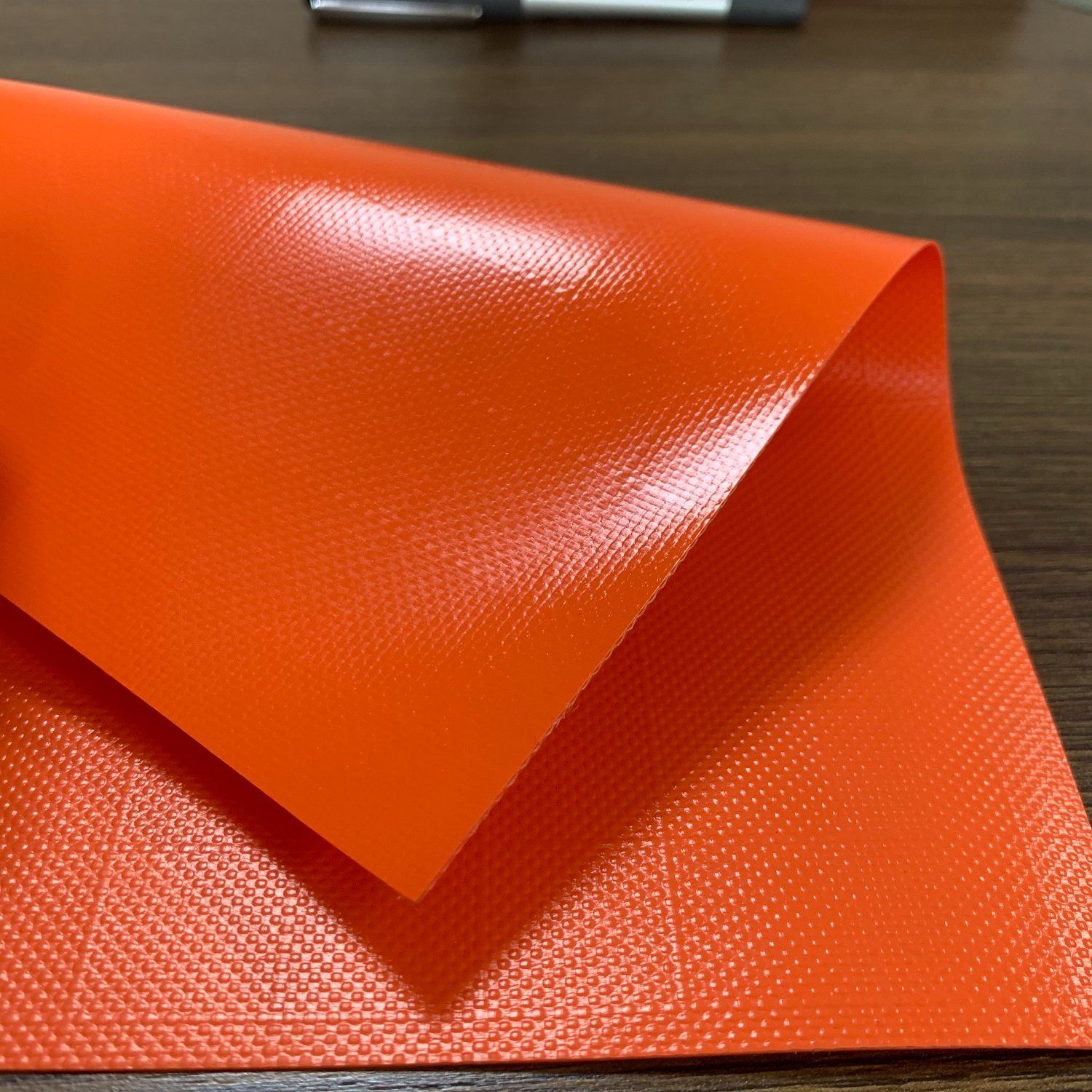
- Construction: coated, where PVC paste is driven into the weave, or laminated, where film is bonded to both faces. Laminated feels smoother, coated usually resists abrasion better.
- Additive package: ask which flame retardant system is used, at what loading, and whether it is compounded or applied on the surface.
- Plasticizer type and level, since more plasticizer means more fuel and softer hand feel.
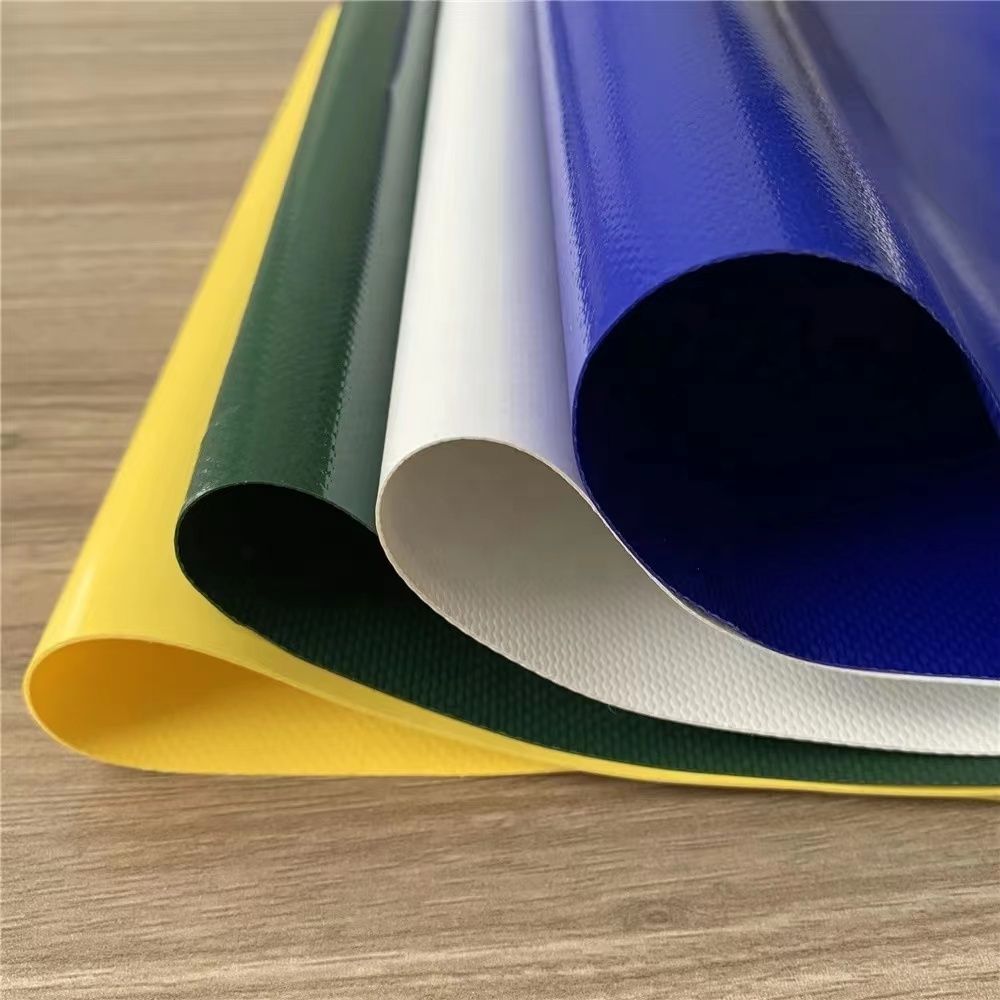
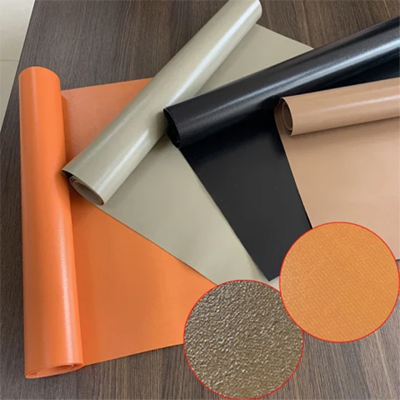
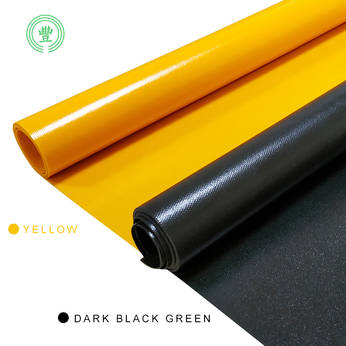
- Colour, opacity and surface finish, because dark colours absorb more radiant heat.
- Width, roll length and seam arrangement for the cutting plan.
- Cold crack temperature for the climate the cover will work in.
- UV and anti mildew package, which is usually quoted together with flame retardant performance.
- Documents: test report, REACH and RoHS statement, and lot traceability from roll to shipment.
A specification that lists only weight and colour leaves the flame retardant performance to chance, and the buyer carries that risk all the way to the site inspection.
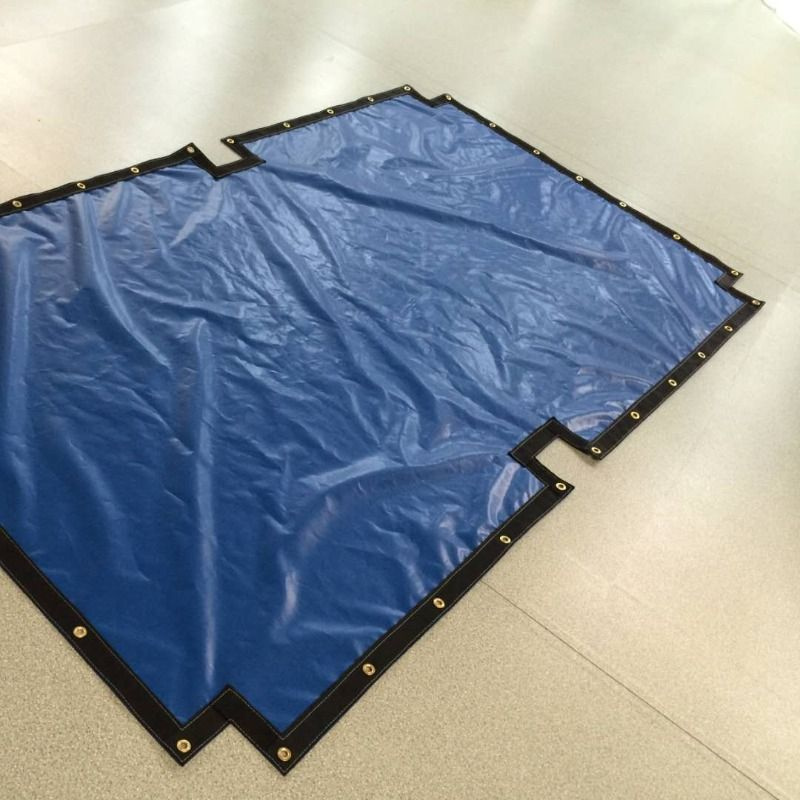
 Flame-Retardant Heavy-Duty PVC Tarpaulin for Truck and Outdoor CoversIndustrial PVC-coated polyester tarpaulin with waterproof, high tear strength and optional flame retardant grades; suited to truck curtains, construction covers and demanding outdoor use.View Product →
Where Flame Retardant PVC Earns Its Cost
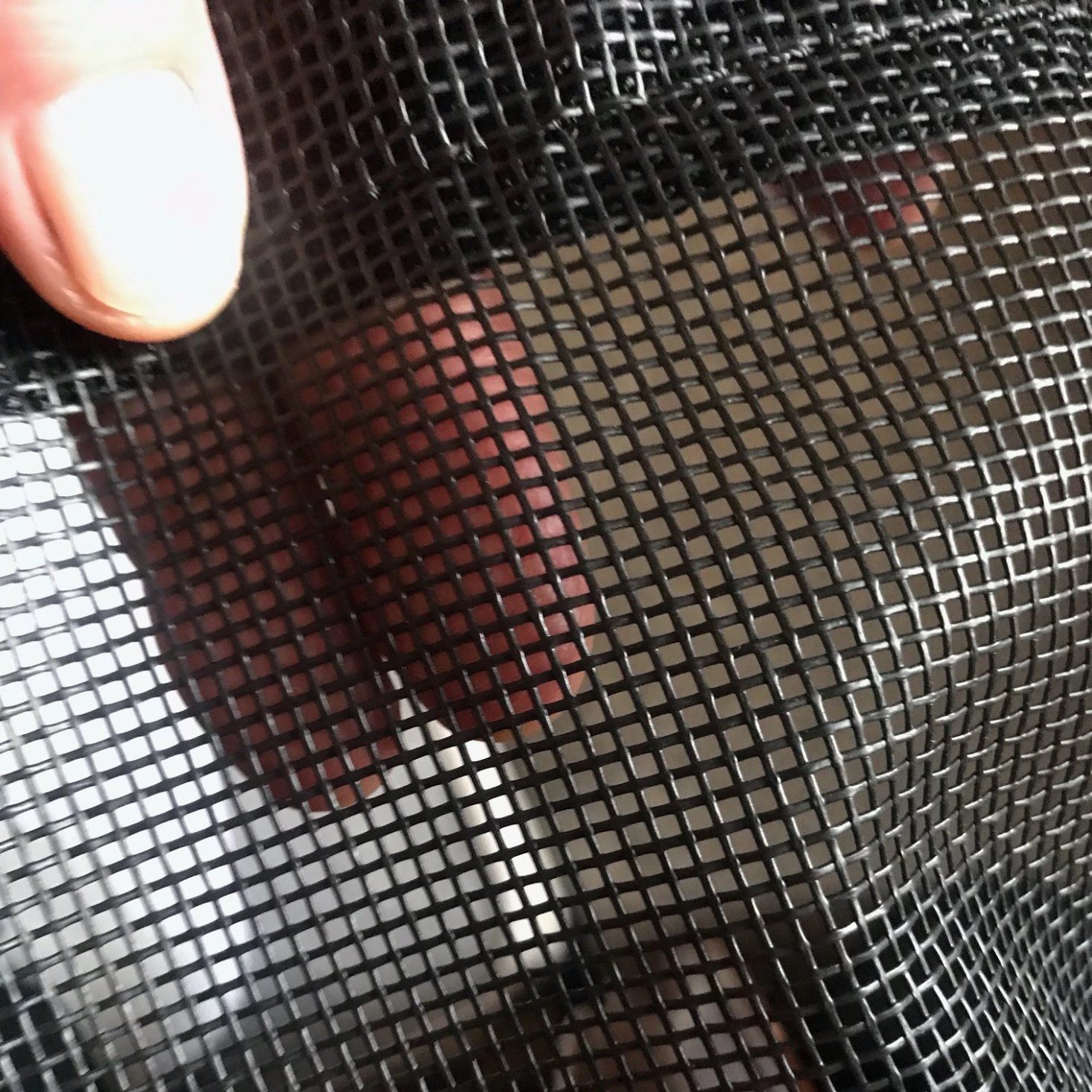
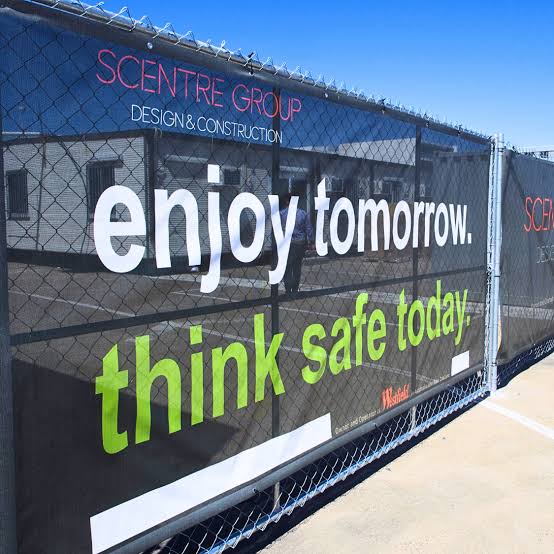
Construction sites are the most common driver. Safety fencing and scaffolding screens use PVC coated mesh instead of solid sheeting, because the open weave lets wind pass through and cuts the wind load on the frame. The same mesh has to survive sparks, hot work and site abrasion, so the flame retardant has to be in the coating rather than on it.
 Flame-Retardant PVC Coated Polyester Mesh for Construction FencingHeavy-duty PVC-coated polyester mesh with high tear strength and flame-retardant options; designed for safety fencing and scaffolding screens where wind pass-through matters.View Product →
Event tents, storage tents and camping shelters come next. These are thin membranes with large unsupported spans, and many venues, insurers and safety officers ask for documented flame performance before the tent goes up. A flexible laminated cloth with an FR package keeps the drape and foldability that tent makers need while still meeting the test.
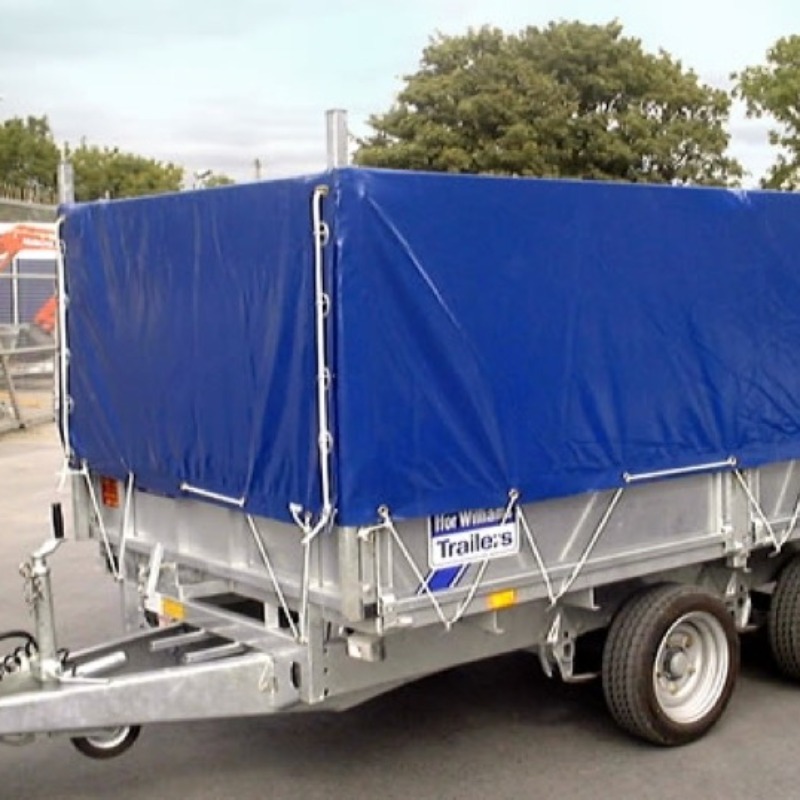
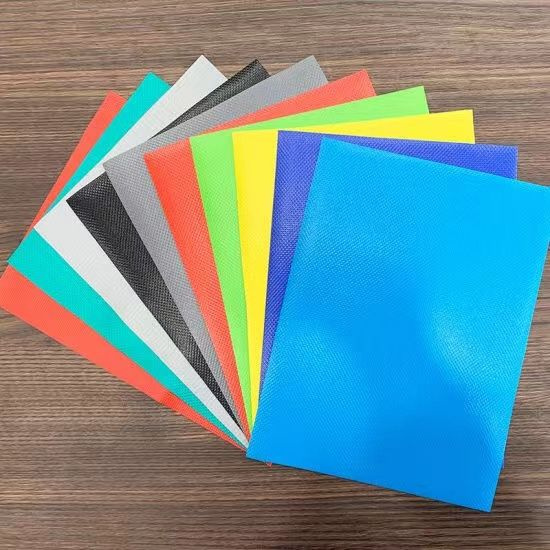 PVC Laminated Flame-Retardant Tarpaulin for Tents and Truck CoversSoft, waterproof PVC-laminated polyester tarpaulin with UV and optional flame-retardant treatment; suitable for tents, awnings and transport covers needing strength and drape.View Product →
Transport and logistics covers, machine covers, pallet covers and warehouse curtains round out the list. Truck side curtains and trailer covers are frequently specified with flame retardant performance because they sit close to fuel systems, hot exhausts and enclosed loading areas. In all of these cases the material is judged on three properties at once: water resistance, mechanical strength and fire behaviour.
Sourcing and Compliance Pitfalls
Five problems appear again and again in flame retardant PVC sourcing, and each one has a simple defence.
- Surface treatment sold as compounded FR. Ask where the additive sits in the structure, then wash or abrade a sample and retest it if the application involves cleaning.
- Batch drift. Flame retardant loading can vary between production runs, so order a retained sample from each lot and compare the next delivery against it.
- Restricted substances. Short chain chlorinated paraffins are restricted in several markets, and antimony trioxide pricing moves sharply. Confirm the actual chemistry before you approve a formulation.
- Confusing low flame spread with low smoke. A cover can pass a flame test and still produce heavy smoke, which matters in enclosed spaces.
- Silent changes. Any switch in plasticizer, coating weight or base fabric invalidates the old test report. Require a fresh report after every change.
If you want to see how coating weight and base fabric interact in real products, this note on what makes PVC canvas perform is a useful companion read before you compare quotations.
A Quick Incoming Inspection You Can Run
You do not need a full laboratory to catch most problems. Five checks take under an hour per lot.
- Weigh a 10 by 10 cm swatch on a balance and compare it with the nominal weight. A drift beyond 5 percent usually signals a coating weight change.
- Cut strips and run a vertical flame test, applying the flame for 12 seconds as ASTM D6413 practice does, then record afterflame, afterglow and char length.
- Fold the sample at the lowest temperature your product will meet in service and look for cracking along the fold.
- Leave a piece in a warm room for a week, then check for a greasy film or a strong plasticizer smell.
- Compare the new delivery against the retained sample from the previous lot before releasing the container to production.
Matching the FR Level to the Job
The right flame retardant level follows the application, not the price list. A pallet cover used over goods in a dry warehouse rarely needs the same treatment as a tent membrane that must pass a named standard in front of an inspector. Over specifying raises cost and can make the cloth stiffer and harder to weld, while under specifying destroys trust the first time a sample fails.
Qidong Good Tarpaulin Co., Ltd. has produced PVC coated and laminated tarpaulin for more than 20 years from its plant in Qidong, Jiangsu, including flame resistant grades in 18oz and 600 gsm constructions, coated mesh for fencing, and finished items such as truck covers, machine covers and tent panels. Send the standard, the construction and the quantity, and the flame retardant conversation becomes a specification rather than a promise.