
Call Us
+86-18962820095

 Español
Content
- 1 What Exactly is PVC Canvas? What are Its Core Properties?
- 2 How to Choose the Right PVC Canvas for Different Scenarios?
- 3 How to Avoid Pitfalls When Purchasing? What are Practical Identification Methods?
- 4 How to Maintain PVC Canvas in Daily Use? How to Handle Damage?
- 5 How Wide is the Application Range of PVC Canvas? What are Typical Uses?
- 6 How Does PVC Canvas Compare to Other Similar Materials?
- 7 What Details Should Be Noted When Installing PVC Canvas? How Do Methods Vary by Scenario?
What Exactly is PVC Canvas? What are Its Core Properties?
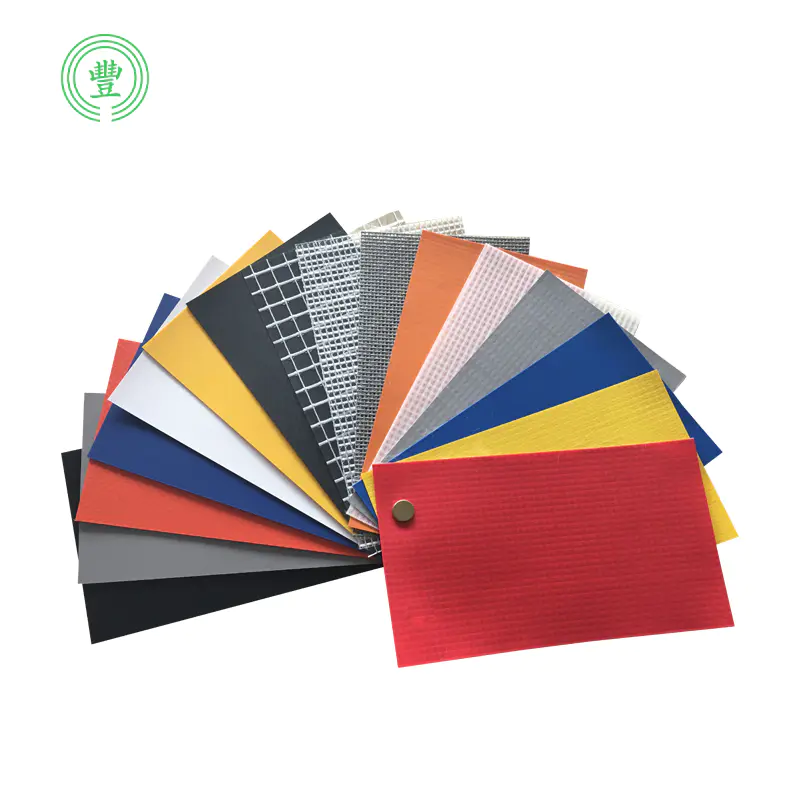
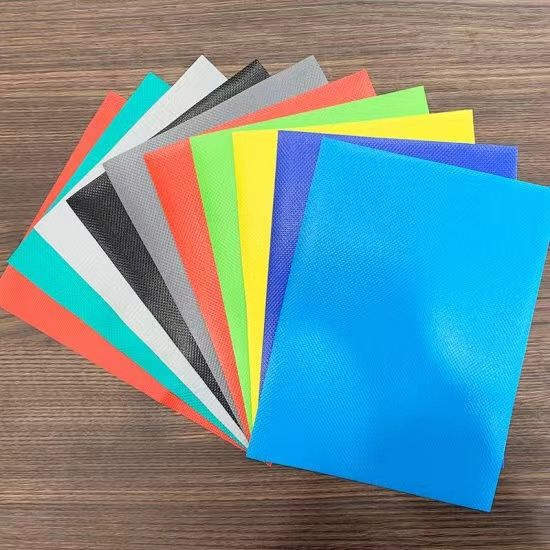
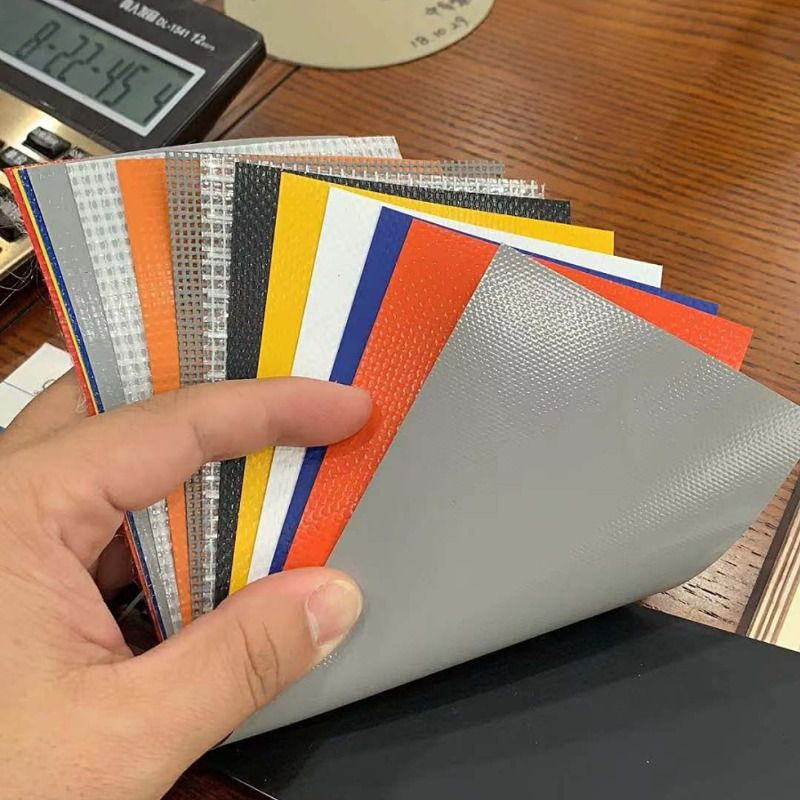
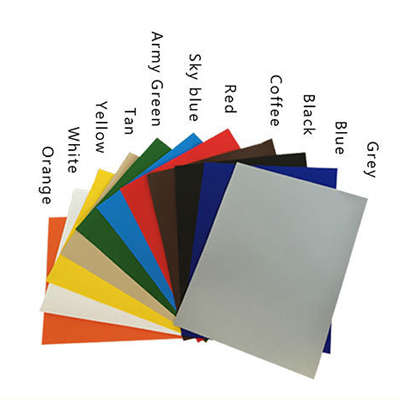
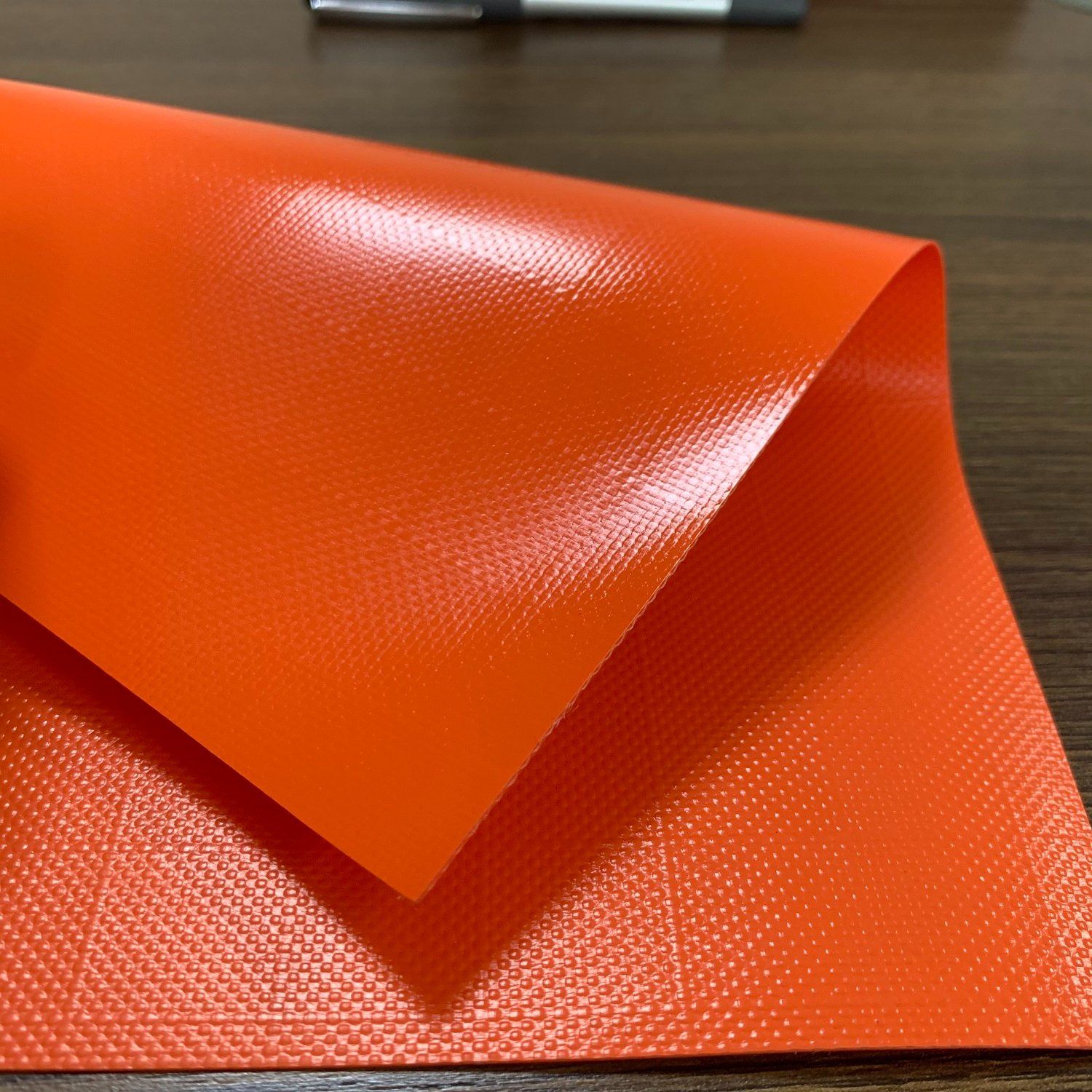
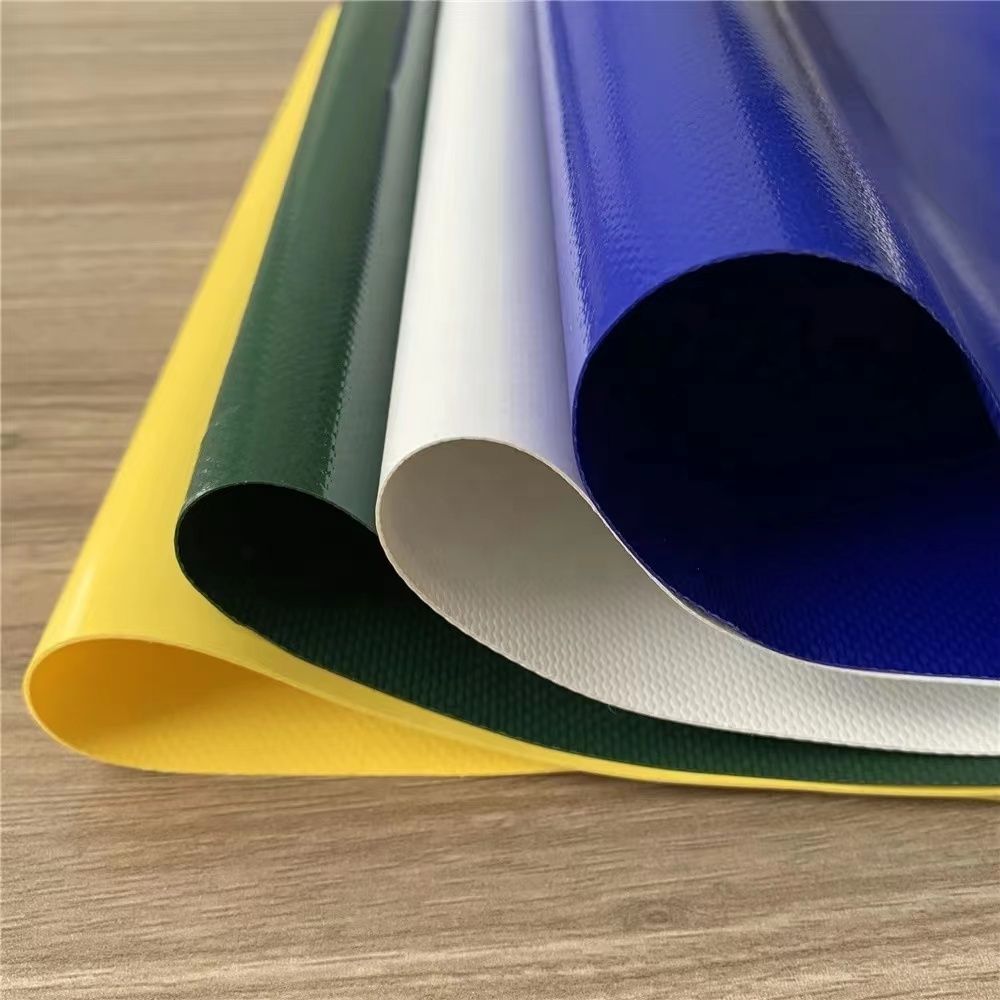
PVC Canvas, scientifically known as polyvinyl chloride-coated fabric, is a engineered textile crafted by bonding a PVC resin layer to a woven base cloth—typically polyester, though occasionally polyester-cotton blends are used for specific flexibility needs. The manufacturing process involves two key stages: first, the base cloth is woven to a precise density (measured in denier, D) to ensure tensile strength; second, the PVC resin (mixed with plasticizers for flexibility, UV stabilizers for weather resistance, and flame retardants for safety) is applied via either knife-coating (for thicker, more durable layers) or calendering (for thinner, more uniform coatings) to both sides of the base cloth. This results in the signature three-layer structure: "PVC film + woven base cloth + PVC film," which synergizes the base cloth’s tensile strength with PVC’s protective barriers.
Its core properties are backed by industrial testing standards, making it a reliable choice for diverse applications:
Waterproof Performance: The PVC coating forms a non-porous barrier that eliminates water penetration. To quantify this, the material undergoes a hydrostatic pressure test (per ISO 811), where it withstands a minimum of 2000mm of water column—meaning a 2-meter-tall column of water can rest on a 1m² sample for 24 hours without leakage. This is critical for applications like outdoor tents or cargo covers, where even minor seepage can damage contents. Additionally, the hydrophobic nature of PVC means water beads up and rolls off the surface, reducing moisture retention that could lead to mold.
Weather Resistance: UV stabilizers (such as benzotriazole derivatives) are integrated into the PVC resin to absorb or reflect ultraviolet radiation, preventing polymer degradation. Accelerated aging tests (per ASTM D4355) expose the material to 500+ hours of simulated sunlight (equivalent to 1–2 years of outdoor exposure in temperate climates), with color fastness rated at 4/5 or higher on the Gray Scale for Color Change—meaning fading is barely noticeable to the naked eye. Temperature resistance is equally impressive: at -20℃, the material retains 80% of its flexibility (tested via ASTM D747), avoiding brittleness that would cause cracking during cold-weather folding; at 70℃, it shows less than 5% dimensional change (per ISO 527), preventing warping in hot sunlight.
Mechanical Strength: Tear resistance is measured via ASTM D1004, with high-grade PVC Canvas achieving 820N/5cm—enough to withstand the force of a 82kg object pulling on a 5cm-wide strip. This is due to the woven polyester base cloth, which distributes tension across its fibers, while the PVC coating reinforces weak points. Abrasion resistance (per ISO 12947-2) is also notable: after 10,000 cycles of rubbing against a standard abrasive surface, the material retains 90% of its original tensile strength, making it suitable for high-wear applications like truck tarpaulins.
Flame Retardancy: Compliance with Class B1 (per GB 8624-2012, equivalent to DIN 4102 B1) means the material meets strict fire safety standards. When exposed to an open flame (500℃ for 30 seconds), it self-extinguishes within 10 seconds of flame removal, produces no dripping molten material (which could spread fire), and has a maximum flame spread rate of 25mm/min. This is achieved by adding flame retardants like aluminum hydroxide, which release water vapor when heated to cool the material and block oxygen.
Chemical Stability: Resistance to weak acids (30% hydrochloric acid, 5% sulfuric acid) and weak alkalis (20% sodium hydroxide) is tested via ASTM D543, with no visible corrosion or weight loss after 72 hours of immersion. Mold resistance (per ASTM G21) is ensured by adding fungicides like zinc pyrithione, which prevents the growth of Aspergillus niger and Penicillium chrysogenum—common molds that degrade organic fabrics—in 90% humidity environments.
How to Choose the Right PVC Canvas for Different Scenarios?
Selecting PVC Canvas requires a "needs-based" approach, as over-specifying increases costs unnecessarily, while under-specifying leads to premature failure. Below is a detailed breakdown of scenario-specific requirements and matching material parameters:
Short-Term Temporary Use (1–2 Years): This category includes small event awnings (e.g., weekend markets), seasonal agricultural covers (for fruit trees in winter), and temporary cargo shelters (for construction materials stored on-site for a few months). Key priorities here are low cost and light weight for easy installation/removal. Opt for material with:
Thickness: 0.35–0.5mm (measured via a digital caliper, ensuring uniform thickness across the roll—variations >0.05mm indicate poor manufacturing).
Base Cloth Density: 500D (9000 meters of fiber weighs 500g; a 500D polyester base cloth balances lightness and basic tensile strength).
Weight per m²: 400–500g (light enough for one person to carry and install, with rolls typically 50m long for easy transport).
Cost: 6–10 CNY/㎡ (affordable for one-time or short-term use, with no need for premium additives like extra UV stabilizers).
Example: A 500D/0.4mm PVC Canvas used as a weekend market awning can withstand light rain and moderate sun for 18 months before showing minor fading—ideal for temporary setups.
Regular Outdoor Use (3–5 Years): This covers exhibition tents (used 10–15 times annually), vehicle advertising wraps (applied to delivery vans), balcony sunshades (permanently installed year-round), and residential bicycle sheds. Here, durability and weather resistance are key, with a balance of weight and cost. Recommended parameters:
Thickness: 0.5–0.8mm (thicker than temporary use to resist wear from wind and occasional impact, e.g., falling branches).
Base Cloth Density: 800D–1000D (1000D polyester has 2x the tensile strength of 500D, suitable for permanent installations).
Weight per m²: 600–800g (heavy enough to stay taut in wind, but light enough for 2–3 people to install).
Wind Resistance: Up to Level 8 (per Beaufort Scale, 17.2–20.7 m/s wind speed—common in most urban areas, with the material remaining stable without flapping excessively, which causes wear).
UV Stabilizer Content: 0.5–1% (by weight, enough to resist fading for 3–5 years in areas with 6+ hours of daily sunlight, e.g., southern China).
Example: A 1000D/0.6mm PVC Canvas used as a balcony sunshade will block 90% of UV rays (tested via ASTM D1003 for light transmittance) and remain fade-free for 4 years, protecting outdoor furniture from sun damage.
High-Intensity Use (5–8 Years): This includes construction site enclosures (exposed to dust, debris, and heavy wind), large truck cargo tarpaulins (used daily for cross-country transport), and coastal-area covers (subject to salt spray and typhoons). Maximum durability and resistance to extreme conditions are critical. Choose material with:
Thickness: 0.8–1.2mm (the thickest PVC coating, providing maximum protection against punctures and abrasion).
Base Cloth Density: 1000D+ polyester or fiberglass (fiberglass base cloth adds 30% more tensile strength than polyester, suitable for typhoon-prone areas).
Weight per m²: 900–1200g (heavy-duty, requiring 3–4 people to install, but capable of withstanding harsh conditions).
Wind Resistance: Up to Level 12 (32.7–36.9 m/s wind speed—tested in wind tunnels to ensure no tearing or detachment from brackets).
Salt Spray Resistance: Per ASTM B117, no corrosion or coating peeling after 1000 hours of exposure to 5% salt solution (critical for coastal applications, where salt accelerates metal corrosion and fabric degradation).
Example: A 1200D/1.0mm PVC Canvas used as a construction site enclosure will resist tearing from flying debris (e.g., small stones) and remain intact for 7 years, reducing the need for frequent replacements.
Specialized Scenarios:
Flammable Environments: For storage of paper, wood, or chemicals, select Class B1 flame-retardant PVC Canvas (per GB 8624-2012). Additional testing (per ASTM E84) ensures a smoke density rating (SDR) of ≤450, reducing visibility loss in case of fire—critical for emergency evacuation.
Food-Related Applications: For food transport trucks or warehouse covers, choose plasticizer-free PVC Canvas compliant with EU REACH Regulation (Restriction of Hazardous Substances). This means no phthalates (e.g., DEHP) or heavy metals (lead, cadmium) are present, preventing migration into food. Tested per EU Regulation 10/2011, it meets food contact safety standards.
Medical/ Cleanroom Use: For temporary cleanroom enclosures in hospitals or pharmaceutical factories, select antimicrobial PVC Canvas (infused with silver ions) that inhibits 99.9% of bacteria (per ASTM E2149), preventing cross-contamination.
How to Avoid Pitfalls When Purchasing? What are Practical Identification Methods?
The PVC Canvas market is flooded with low-quality products that cut corners on materials (e.g., recycled PVC), reduce coating thickness, or use low-density base cloth. To avoid costly mistakes, use the "Four-Step Identification Method"—backed by practical tests that require no specialized equipment:
Step 1: Touch—Assess Texture, Thickness, and Flexibility
Texture: High-quality PVC Canvas feels uniformly thick when pressed between thumb and forefinger—no thin spots or lumps (lumps indicate uneven resin application). Run your hand across the surface: it should be smooth but not slippery (excessive slipperiness means too much plasticizer, which leaches out over time, causing brittleness).
Thickness Check: If no caliper is available, compare the material to a standard credit card (0.76mm thick). A 0.5mm PVC Canvas will feel slightly thinner than a credit card, while a 0.8mm one will feel thicker. Avoid materials thinner than 0.35mm—they tear easily.
Flexibility Test: Fold a 10cm×10cm sample in half (coating-side inward) and press firmly for 10 seconds, then unfold. High-quality material shows no white crease (white creases indicate insufficient plasticizer, as the PVC resin has cracked at the fold). Repeat 5 times: if a crease forms after 3+ folds, the material will age quickly outdoors.
Step 2: Observe—Check Appearance, Edge Treatment, and Transparency
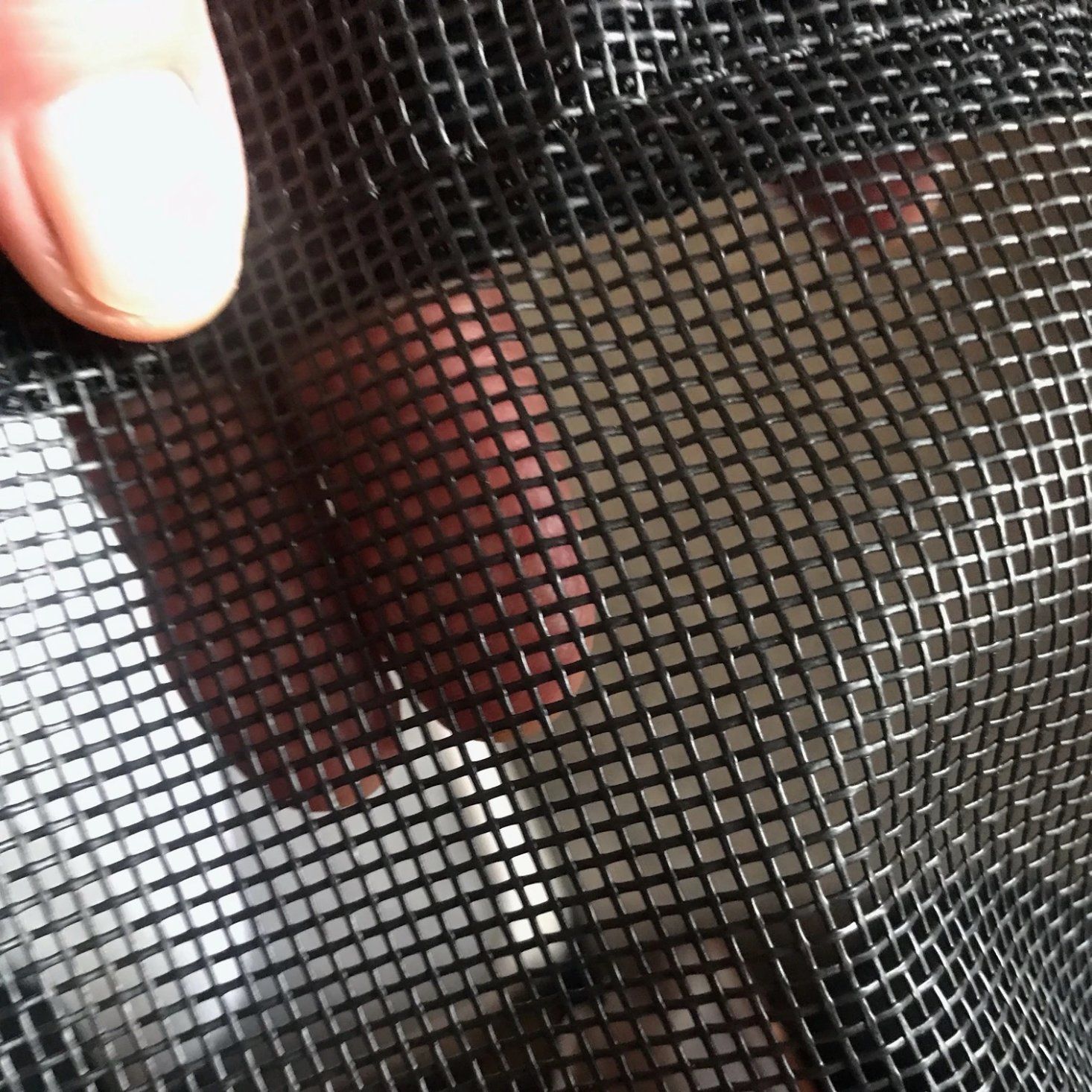
Surface Quality: Hold the material up to bright light—no pinholes or bubbles should be visible (pinholes are tiny holes caused by impurities in the PVC resin, leading to water leakage). The color should be uniform: dark colors (navy blue, forest green) should have no lighter streaks, while light colors (beige, light gray) should have no yellowing (yellowing indicates old stock or recycled PVC).
Edge Treatment: Examine the cut edge (if the roll is unopened, ask for a sample). High-quality products have a clean, heat-sealed edge (melted PVC that seals the base cloth fibers, preventing fraying). Inferior products have a rough, stitched edge or no seal—frayed fibers mean the material will unravel over time.
Transparency Test: Place the material over a printed page (e.g., a newspaper). High-quality PVC Canvas blocks 100% of light—you should not be able to read the text (transparency means the coating is too thin). Low-quality material will let light through, indicating poor waterproofing.
Step 3: Test—On-Site Waterproof and Flame-Retardant Checks
Waterproof Test: Sprinkle 50ml of water onto a 20cm×20cm sample and let it sit for 30 minutes. Tilt the sample—water should roll off without soaking in. Flip the sample over: the reverse side should be completely dry. If moisture is present, the coating is porous or too thin.
Flame-Retardant Test (Safe for Small Samples): Hold a lighter flame (5cm tall) 1cm away from the sample edge for 10 seconds, then remove the flame. Class B1 material will extinguish within 10 seconds, with no dripping and only a small charred area (≤5cm in diameter). If it continues to burn or drips molten plastic, it’s not flame-retardant—unsafe for high-risk areas.
Step 4: Verify—Check Certifications, Production Date, and Price
Certifications: Ask for a "Quality Inspection Report" from the manufacturer. Key parameters to verify:
Base Cloth Density: Confirm it matches the claim (e.g., 1000D, not 800D).
Coating Thickness: Ensure it’s within the specified range (e.g., 0.8±0.05mm).
Tear Strength: Minimum 500N/5cm for regular use, 800N/5cm for high-intensity use.
Production Date: PVC Canvas ages even in storage—look for a production date within the last 6 months. Products over 1 year old have degraded PVC (test by folding: old material will crack easily).
Price Check: Avoid products under 6 CNY/㎡. High-quality PVC Canvas costs 6–15 CNY/㎡ (depending on thickness)—lower prices mean recycled PVC or thin coating. For example, a 500D/0.4mm sample priced at 4 CNY/㎡ is likely made from 50% recycled material, with a service life of <6 months.
How to Maintain PVC Canvas in Daily Use? How to Handle Damage?
Proper maintenance can extend the service life of PVC Canvas by 30–50%, while timely repairs prevent small issues from becoming costly replacements. Below is a detailed maintenance and repair guide, organized by frequency and damage type:
Routine Maintenance (Monthly/Quarterly)
Cleaning:
Frequency: Outdoor use (exposed to sun/rain): clean every 1–2 months. Indoor use (e.g., warehouse covers): clean every 3–4 months.
Method: Use a soft-bristle brush (e.g., a paintbrush or soft broom) to remove loose dust and debris—avoid hard brushes (they scratch the PVC coating). Mix 1–2% neutral detergent (e.g., dish soap) in warm water (≤40℃, hot water damages PVC) and gently scrub stained areas (e.g., oil spots from truck exhaust). Rinse thoroughly with clean water to remove detergent residue (residue attracts dust and accelerates aging).
Drying: Hang the material in a well-ventilated area (e.g., a clothesline or scaffolding) to air-dry. Never dry in direct sunlight (UV rays speed up coating degradation) or use heat sources (e.g., hair dryers, heaters—they melt the PVC). Ensure the material is 100% dry before folding (dampness causes mold growth, which eats away at the base cloth).
Inspection:
Surface Check: Look for cracks, peeling coating, or mold spots. Cracks (often around folds) indicate plasticizer loss—apply a PVC conditioner (available at hardware stores) to restore flexibility. Peeling coating (usually at edges) means the material is aging—trim the peeling section and seal the edge with PVC glue.
Fastener Check: Inspect buckles, ropes, and bolts for rust or looseness. Replace rusted stainless steel buckles (rust stains the material) and tighten loose ropes (loose material flaps in wind, causing wear). For wall-mounted enclosures, check expansion screws—replace any that are loose (they can pull out in wind).
Seasonal Maintenance (Before/After Extreme Weather)
Before Winter (Cold/Freezing Conditions):
Apply a PVC protectant (e.g., silicone-based spray) to enhance flexibility—this prevents cracking in temperatures below -10℃.
For outdoor covers (e.g., boat covers), add extra support brackets under sagging areas—snow accumulation can stretch or tear the material.
After Winter:
Remove snow promptly (use a soft broom—never a shovel, which scratches the coating).
Clean the material with warm water to remove salt or de-icing chemicals (they corrode the PVC).
Before Summer (High Heat/UV Exposure):
Check for UV damage (fading, brittleness). If fading is severe (color change >2 shades), apply a UV protectant spray to slow further degradation.
For awnings or tents, ensure the material is taut—loose material traps heat, accelerating aging.
After Rainy Season:
Inspect for water pooling marks (discolored or stretched areas) — these indicate poor drainage, which can weaken the base cloth over time. Adjust the installation angle (increase to 5–7° if needed) or add extra drainage holes (drill 5mm holes in the lowest point, sealed with waterproof tape around the edge to prevent fraying) to improve water flow.
Check for mold growth (green/black spots) — if present, mix 1 part white vinegar with 3 parts water and gently scrub the area with a soft brush (vinegar kills mold without damaging PVC). Rinse thoroughly and air-dry completely to prevent regrowth.
Damage Handling: Small vs. Large Repairs
Small Damages (≤5mm holes, ≤10cm tears, surface scratches)
These are common from minor impacts (e.g., small branches, sharp gravel) and can be fixed with basic tools:
Prepare the Area: Clean the damaged spot with alcohol to remove dirt, oil, or mold — ensure the surface is dry (use a lint-free cloth to pat dry) to ensure glue adhesion.
Choose the Right Patch: Cut a patch from the same PVC Canvas (or a matching repair kit) that’s 2–3cm larger than the damage on all sides (this ensures full coverage of the weakened area). For scratches (no hole), skip the patch and use PVC repair paste (apply a 1mm-thick layer over the scratch, smooth with a putty knife).
Apply Adhesive: Use a specialized PVC repair glue (e.g., neoprene-based glue, which bonds to PVC without melting it) — apply a thin, even layer (1–2mm thick) to both the patch and the damaged area. Avoid excess glue (it seeps out and leaves stains).
Press and Cure: Place the patch over the damage, aligning it evenly. Press firmly with a heavy object (e.g., a book wrapped in plastic to prevent sticking) for 24 hours at room temperature (15–25℃). Do not move the object during curing — uneven pressure leads to weak bonds.
Seal the Edge: After curing, apply a thin line of waterproof sealant (silicone-based, compatible with PVC) around the patch’s edge to prevent water from seeping under the patch. Let the sealant dry for 8–12 hours before exposing the material to rain.
Large Damages (>5mm holes, >10cm tears, coating peeling over 100cm²)
These require more robust repairs, as they often affect the base cloth’s structural integrity:
Assess the Base Cloth: If the polyester base cloth is torn (not just the PVC coating), trim the frayed edges with sharp fabric scissors to create a clean, straight edge (frayed fibers prevent proper bonding). For coating peeling, scrape off any loose PVC (use a plastic scraper — metal scrapers scratch the remaining coating) to expose a smooth, intact base.
Reinforce with a Backing Patch: Cut a backing patch (from 1000D polyester fabric, 5cm larger than the damage) and glue it to the reverse side of the Canvas using PVC repair glue — this adds tensile strength to the damaged area. Press with a heavy object for 24 hours.
Apply a Top Patch: Cut a PVC patch (same thickness as the original material, 3cm larger than the damage) and glue it to the front side, aligning it with the backing patch. Use a roller (e.g., a paint roller) to press out air bubbles — bubbles create gaps for water.
Heat-Seal for Durability (Optional): For high-intensity use (e.g., truck tarpaulins), use a heat-sealing iron (set to 160–180℃) to seal the patch edges. Place a Teflon sheet between the iron and the PVC to prevent melting — hold the iron for 10–15 seconds per section, moving slowly to ensure even heat distribution.
Test the Repair: After 48 hours of total curing, spray the repaired area with water (use a garden hose on low pressure) and let it sit for 30 minutes. Check the reverse side for moisture — no leakage means the repair is successful. If water seeps through, reapply glue and sealant.
How Wide is the Application Range of PVC Canvas? What are Typical Uses?
PVC Canvas’s adaptability stems from its customizable properties (thickness, coating additives, base cloth type), making it suitable for industries ranging from agriculture to aerospace. Below are detailed use cases, including technical requirements and performance benefits:
Transportation & Logistics
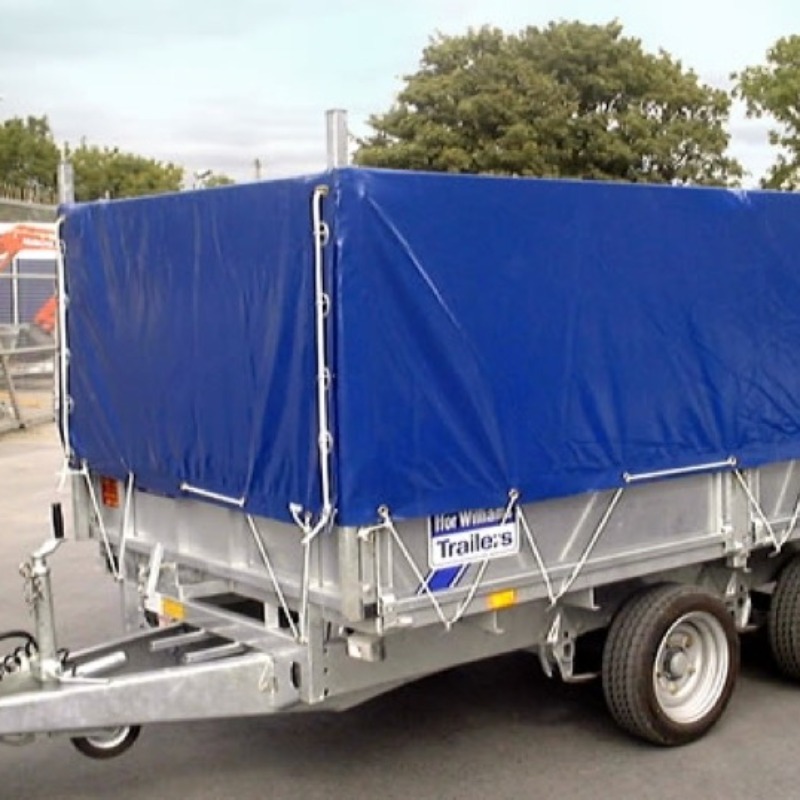
Truck Cargo Tarpaulins: Used to cover open-top trucks transporting goods like grains, construction materials, or furniture. Key requirements: 0.8–1.0mm thickness, 1000D polyester base cloth, and UV stabilizer content of 1% (to withstand 8+ hours of daily sunlight during cross-country trips). Benefits: 100% waterproof (prevents rain damage to electronics or textiles) and tear-resistant (withstands wind speeds up to 25 m/s when secured with ratchet straps). Example: A 1000D/0.9mm tarpaulin used for grain transport retains its shape and waterproofing for 6 years, reducing grain spoilage by 90% compared to uncoated canvas.
Container Liners: Custom-made to fit 20ft/40ft shipping containers, used for transporting bulk goods like coffee beans or plastic pellets. Requirements: Food-grade PVC (no plasticizers), antimicrobial coating (to prevent mold in humid shipping conditions), and airtight seams (heat-sealed, not stitched). Benefits: Maintains a moisture level of <15% inside the container, preserving the quality of hygroscopic goods (e.g., coffee beans don’t absorb excess moisture and become stale).
Train/Bus Seat Covers: Used in public transportation for durability and easy cleaning. Requirements: 0.5mm thickness, PVC coating with anti-slip texture (prevents passengers from sliding), and stain resistance (tested to repel coffee, oil, and ink). Benefits: Wipe-clean surface (reduces cleaning time by 50% compared to fabric covers) and flame-retardant (meets Class B1 standards, critical for passenger safety).
Construction & Infrastructure
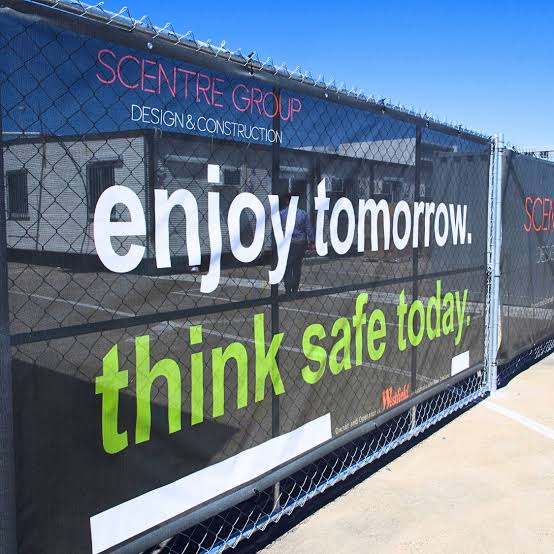
Site Enclosures: Temporary walls around construction sites to block dust, noise, and debris. Requirements: 1.0–1.2mm thickness, 1200D polyester base cloth, and wind resistance up to Level 10 (24.5–28.4 m/s). Benefits: Reduces dust pollution by 70% (tested via PM2.5 sensors) and noise by 15–20 decibels (critical for urban construction near residential areas). Installation: Fixed to galvanized steel frames (2.5m tall, 2m apart) with stainless steel bolts, and buried 10cm underground to prevent wind from lifting the bottom edge.
Concrete Curing Covers: Used to protect freshly poured concrete (e.g., floors, walls) from rain and rapid drying. Requirements: 0.35–0.5mm thickness (thin enough to conform to concrete surfaces), breathable PVC (allows moisture to escape slowly, preventing cracking), and heat retention (maintains concrete temperature at 20–25℃ for optimal curing). Benefits: Reduces concrete curing time by 30% (from 28 days to 20 days) and eliminates surface cracks caused by rain or sun exposure.
Temporary Work Sheds: Quick-assembly structures for on-site tool storage or worker break areas. Requirements: 0.6–0.8mm thickness, 800D base cloth, and flame-retardant coating (to store flammable tools like paint or solvents safely). Benefits: Installed in 4–6 hours by 2 people (using pre-cut panels and snap-on fasteners) and withstands heavy rain (no leakage even after 72 hours of continuous downpour).
Agriculture & Horticulture
Greenhouse Covers: Used to replace glass or polyethylene sheets in commercial greenhouses (for crops like tomatoes, cucumbers). Requirements: 0.8mm thickness, PVC coating with 80% light transmittance (balances UV protection and photosynthesis), and anti-fog additive (prevents condensation from dripping onto plants). Benefits: Maintains a stable internal temperature (5–10℃ warmer than outside in winter) and reduces pest infestations (the smooth surface prevents insects from nesting, unlike porous polyethylene). Example: A greenhouse with PVC covers produces 20% more tomatoes per square meter than a polyethylene-covered greenhouse, as the material retains heat better and allows more uniform light distribution.
Livestock Shelter Covers: Used for cattle, sheep, or poultry shelters to protect animals from harsh weather. Requirements: 0.7–0.9mm thickness, mold-resistant coating (to withstand animal waste odors and humidity), and tear resistance (from animal hooves or horns). Benefits: Durable enough to last 5–7 years (reduces replacement costs) and easy to clean (hose off manure without damaging the coating).
Hay Storage Covers: Used to protect hay bales from rain and mold. Requirements: 1.0mm thickness, 1000D base cloth, and UV resistance (to prevent hay from overheating in sunlight). Benefits: Reduces hay spoilage by 80% (mold growth is inhibited by the waterproof coating) and allows hay to retain its nutritional value (vitamin A and protein levels stay 15% higher than uncovered hay).
Outdoor Leisure & Recreation
Camping Tents: Four-season tents for hiking or camping in harsh conditions. Requirements: 0.4–0.6mm thickness, 700D polyester base cloth, and lightweight design (600–800g/m² for easy carrying). Benefits: Waterproof (withstands 100mm of rain in 24 hours) and wind-resistant (up to Level 9, 20.8–24.4 m/s), making it suitable for mountain camping. Example: A 700D/0.5mm tent weighs 2.5kg (backpack-friendly) and remains intact after 10+ camping trips in rain and snow.
Outdoor Awnings: Fixed to homes or restaurants to provide shade. Requirements: 0.5–0.7mm thickness, fade-resistant coating (tested to retain 90% of color after 3 years of sun exposure), and retractable design (compatible with motorized awning systems). Benefits: Blocks 95% of UV rays (protects outdoor furniture from fading) and reduces indoor cooling costs by 30% (shades windows from direct sunlight).
Inflatable Boats/Rafts: Small watercraft for fishing or emergency rescue. Requirements: 1.2–1.5mm thickness, reinforced PVC (with polyester mesh between two PVC layers for extra strength), and airtight seams (heat-sealed with high-pressure machines). Benefits: Buoyant (supports 2–4 adults) and puncture-resistant (withstands impacts from rocks or logs in rivers), making it ideal for whitewater rafting or coastal fishing.
How Does PVC Canvas Compare to Other Similar Materials?
To help users make informed decisions, below is an expanded comparison table (with additional materials like TPO and EPDM) and detailed analysis of trade-offs for common scenarios:
|
Comparison Dimension |
PVC Canvas |
Traditional Cotton Canvas |
PE Tarpaulin |
PU-Coated Oxford Cloth |
TPO (Thermoplastic Olefin) |
EPDM Rubber |
|
Unit Price (CNY/㎡) |
6–15 |
8–12 |
2–4 |
10–18 |
20–30 |
35–50 |
|
Thickness Range (mm) |
0.35–1.5 |
0.8–1.2 (uncoated) |
0.1–0.3 |
0.3–0.6 |
0.8–1.2 |
1.5–3.0 |
|
Outdoor Service Life (Years) |
3–8 |
1–2 (needs annual re-waxing) |
0.5–1 |
1–3 |
10–15 |
15–20 |
|
Waterproof Performance |
100% (non-porous) |
Poor (needs wax; leaks after 3 months) |
Temporary (leaks after sun exposure) |
Good (fails after 1–2 years) |
Excellent (no leakage for 10+ years) |
Excellent (no leakage for 15+ years) |
|
UV Resistance |
Strong (500+ hours aging test) |
Weak (fades in 6 months) |
Extremely Weak (brittles in 2 months) |
Moderate (fades in 1 year) |
Very Strong (1000+ hours aging test) |
Very Strong (1500+ hours aging test) |
|
Weight per ㎡ (g) |
400–1200 |
1200–1800 |
150–300 |
300–500 |
800–1200 |
1500–2500 |
|
Flexibility at -20℃ |
Good (80% retention) |
Brittle (cracks when folded) |
Extremely Brittle (shatters) |
Poor (stiff, no flexibility) |
Good (75% retention) |
Excellent (90% retention) |
|
Recyclability |
Moderate (recycled into pipes) |
High (compostable if uncoated) |
Low (contaminates other plastics) |
Low (PU coating hard to separate) |
High (recycled into building materials) |
Low (difficult to process) |
Scenario-Based Trade-Off Analysis:
Temporary Cargo Cover (1-Year Use): PE Tarpaulin is cheapest (2–4 CNY/㎡) but needs replacement every 6 months. PVC Canvas (6–8 CNY/㎡) costs more upfront but lasts 1–2 years, reducing total cost by 30%.
Permanent Greenhouse Cover (10-Year Use): TPO costs more (20–30 CNY/㎡) but lasts 10–15 years, while PVC Canvas (12–15 CNY/㎡) needs replacement after 7–8 years. TPO is better for long-term savings, but PVC is more budget-friendly for small-scale farms.
Cold-Climate Shelter (–20℃ to 10℃): EPDM has the best flexibility but is heavy (2000g/㎡) and expensive. PVC Canvas (900–1000g/㎡) balances flexibility and weight, making it easier to install while still withstanding freezing temperatures.
What Details Should Be Noted When Installing PVC Canvas? How Do Methods Vary by Scenario?
Installation directly impacts performance — a poorly installed Canvas can leak, tear, or fail in wind, even if the material is high-quality. Below are scenario-specific installation guides, including tools, steps, and common mistakes to avoid:
Tool Preparation for All Installations:
Essential Tools: Digital caliper (to verify material thickness), fabric scissors (sharp, for clean cuts), stainless steel buckles (size 10–12mm, rust-proof), nylon ropes (8–10mm diameter, UV-resistant), waterproof tape (PVC-compatible), and a level (to ensure even installation).
Specialized Tools: Heat-sealing machine (for splicing, 150–180℃), drill (with 5mm bits for drainage holes), and ratchet straps (for securing heavy-duty Canvas like truck tarpaulins).
Bracket-Mounted Installations (Tents, Awnings)
These require a stable frame to support the Canvas, preventing sagging and water pooling.
Frame Construction: Use galvanized steel pipes (20mm diameter, 1.5mm thickness) — avoid aluminum (bends in high wind) or wood (rots in rain). For a 3m×5m awning, build a rectangular frame with vertical legs (2.5m tall) spaced 2m apart, and add diagonal cross-braces (15mm diameter) for stability.
Canvas Cutting: Add a 10cm margin to all sides (e.g., cut 3.2m×5.2m for a 3m×5m frame) — this accounts for stretching and ensures full coverage. Mark the cutting line with a washable marker (avoids permanent stains).
Securing the Canvas:
Start at one corner: Fold the Canvas edge 2cm over the frame, and attach a stainless steel buckle every 30cm (use a staple gun with stainless steel staples, 10mm length — avoid too-long staples, which pierce through the frame).
Stretch the Canvas to the opposite corner (apply even tension — have 2 people pull gently to avoid over-stretching) and repeat the buckling process.
For the top edge, use ratchet straps (attach to the frame’s top rail and the wall/anchor point) to pull the Canvas taut — this prevents sagging when it rains. Tighten the straps until the Canvas is flat but not stretched to the point of wrinkling (over-tensioning can damage the PVC coating over time).
4. Splicing Multiple Panels (If Needed): For large awnings (e.g., 5m×10m), splice two or more Canvas panels by overlapping edges 15cm. Apply PVC glue to both sides of the overlap, then press with a roller to remove air bubbles. Heat-seal the seam with a heat-sealing machine (160℃ for 20 seconds) to ensure waterproofing. Cover the seam with waterproof tape on both sides for extra protection.
5. Common Mistakes to Avoid:
Using aluminum frames: They bend in wind speeds over 15 m/s, causing the Canvas to sag and pool water.
Skipping cross-braces: Without diagonal support, the frame can collapse in strong wind.
Cutting the Canvas too small: A 5cm margin is insufficient — the material shrinks slightly after installation, leading to gaps.
Ground Cover Installations (Cargo, Hay Bales, Warehouse Moisture-Proofing)
These installations focus on full coverage and wind resistance, preventing the Canvas from shifting or blowing away.
Pre-Ground Preparation:
Clear the area of sharp objects (rocks, nails, branches) — use a rake to remove debris, then lay a layer of geotextile fabric (optional) under the Canvas to reduce friction and prevent punctures.
For sloped ground, mark the high and low points to ensure the Canvas is installed with a 3–5° tilt (aids drainage). Use a level to confirm the slope — no flat areas should remain, as they trap water.
Canvas Placement:
Unfold the Canvas over the area, ensuring it extends 50cm beyond the edges of the cargo/hay bales (this blocks rain from seeping under the cover). For large loads (e.g., 10 hay bales stacked 2m tall), use a Canvas 2m wider and longer than the load to cover the sides completely.
Smooth out wrinkles by pulling the Canvas from the center to the edges — wrinkles trap water, which can stretch and weaken the material over time.
Securing the Canvas:
For Cargo: Wrap the Canvas around the sides of the load, then fold the top edge over the side and secure with nylon ropes (8mm diameter) every 50cm. Tie the ropes to the truck’s tie-down points using a trucker’s hitch (a knot that tightens under tension) to prevent loosening in transit.
For Hay Bales/Warehouse Floors: Use sandbags (20kg each) to weigh down the edges — place a sandbag every 1m along the perimeter, and add extra sandbags at the corners (where wind is most likely to lift the Canvas). For long-term storage, use stakes (60cm long, galvanized steel) to anchor the Canvas: drive stakes 40cm into the ground, 30cm from the Canvas edge, and tie the Canvas to the stakes with ropes.
Drainage Enhancement:
If the load is flat (e.g., a warehouse floor), create a "peak" in the Canvas by placing a 10cm-thick foam block under the center — this raises the middle, directing water to the edges.
Drill 5mm drainage holes in the Canvas at the lowest points (10cm from the edge), then cover the holes with a small patch of geotextile fabric (glued to the reverse side) to prevent debris from clogging them.
Wall Enclosure Installations (Construction Sites, Advertising Walls)
These require vertical stability and flatness, especially for advertising applications where wrinkles distort graphics.
Keel Frame Installation:
Use galvanized square tubes (30mm×30mm, 1.5mm thickness) for vertical keels — space them 1.5–2m apart (closer spacing for wind-prone areas). Mark the keel positions on the ground and wall (if attaching to an existing structure) using a level to ensure they are vertical.
For free-standing enclosures (no existing wall), install a concrete footing (30cm×30cm×50cm deep) for each vertical keel: pour concrete into the footing hole, insert the keel 30cm into the concrete, and let it cure for 48 hours before proceeding. For wall-mounted enclosures, drill 12mm holes in the wall, insert expansion bolts (10mm diameter, 80mm long), and attach the keels to the bolts with nuts and washers.
Add horizontal keels (same size as vertical keels) at the top and bottom of the frame, and every 1.5m vertically for tall enclosures (3m+). Secure horizontal keels to vertical keels with screws (8mm diameter, 20mm long) — use two screws per joint for extra strength.
Canvas Installation:
Cut the Canvas to size, adding 15cm to the height (to cover the top and bottom keels) and 10cm to the width (for overlapping seams between panels). For advertising walls, ensure the Canvas is cut straight (use a laser level to mark the cutting line) to avoid distorted graphics.
Start at the top left corner: align the Canvas with the top and left keels, then attach it to the top keel with stainless steel bolts (8mm diameter, 25mm long) every 30cm. Place a waterproof washer between the bolt head and Canvas to prevent water from seeping through the bolt hole.
Stretch the Canvas vertically to the bottom keel (have one person hold the top while another pulls the bottom) to remove wrinkles, then attach it to the bottom keel with bolts. Repeat the process for the right edge, ensuring the Canvas is flat — use a straightedge to check for flatness; if wrinkles remain, loosen the bolts and re-stretch.
For multiple panels, overlap the edges 10cm (the left panel over the right panel) and attach both panels to the same keel with bolts — this creates a waterproof seam. Apply silicone sealant to the overlap on the reverse side to block water.
Finishing Touches for Advertising Walls:
Clean the Canvas surface with isopropyl alcohol to remove dust and oil — this ensures printed graphics adhere properly. If using vinyl graphics, apply them within 24 hours of installation (before the Canvas collects more dust).
Inspect the Canvas for flatness from a distance (5m away) — even small wrinkles will be visible in printed graphics. If wrinkles are found, loosen the bolts at the nearest keel, stretch the Canvas, and re-tighten.
PVC Canvas is a versatile, high-performance material that excels in outdoor protection, transportation, construction, and leisure applications — its success lies in its customizable properties (thickness, coating additives, base cloth) and balance of durability, cost, and ease of installation. By following the guidelines in this guide:
Purchasers can avoid low-quality products by using the "Touch-Observe-Test-Verify" method, ensuring they select a Canvas matched to their scenario (e.g., 1000D/0.8mm for construction enclosures, 500D/0.4mm for temporary awnings).
Users can extend service life by 30–50% through routine cleaning (neutral detergent, no harsh chemicals), seasonal maintenance (adjusting drainage, applying UV protectant), and timely repairs (using matching patches and PVC glue for small damages).
Installers can ensure optimal performance by choosing the right frame materials (galvanized steel over aluminum/wood), securing the Canvas with tension (avoiding sagging), and enhancing drainage (slopes, drainage holes) to prevent water damage.
While materials like TPO and EPDM offer longer service life, PVC Canvas remains the most cost-effective choice for most applications — its ability to balance performance, weight, and affordability makes it a staple in industries worldwide. Whether protecting a truckload of goods, covering a greenhouse, or building a construction enclosure, PVC Canvas provides a reliable, practical solution that meets the demands of diverse environments.