
Call Us
+86-18962820095

 Español
Content
- 1 Five Daily Uses at a Glance
- 2 1. Freight Covering on Trucks, Trailers and Pallets
- 3 2. Screening and Containment on Construction Sites
- 4 3. Farm, Orchard and Equipment Protection
- 5 4. Outdoor Shelter, Awnings and Temporary Work Space
- 6 5. Wrapping and Covering Stored Industrial Goods
- 7 Specifications That Decide Whether a Vinyl Tarp Survives the Work
- 8 A Short Buying Checklist
A trailer cover that splits along a seam in its second season rarely fails because the fabric was too light. It fails because the base cloth, the coating weight and the seam method were matched to a price instead of to the way the cover is used: pulled tight every morning, flapping at highway speed all afternoon, folded away wet at night.
The short answer is that vinyl tarps, which in industrial supply chains means PVC coated or laminated polyester fabric, keep returning to five jobs: covering freight, screening construction sites, protecting crops and farm equipment, sheltering outdoor work and camping, and wrapping stored goods in warehouses and yards. Each job loads the material differently, so the specification that keeps a truck fleet running is rarely the one that keeps a construction fence standing.
The sections below break each use down by what happens to the tarp on an ordinary working day, which properties decide the purchase, and where buyers most often get the specification wrong.
Five Daily Uses at a Glance
The five uses are not separate product families so much as five different stress profiles. One mill can supply all of them, but the base cloth, coating weight and finishing details change from column to column.
| Daily use | What the tarp does | Performance that matters most | Typical specification |
|---|---|---|---|
| Freight covering | Protects loads on trucks, trailers and pallets | Waterproofness, tear strength, resistance to flapping | 500D to 1300D polyester base, 550 to 650 gsm, PVC coated |
| Site screening | Windbreak, dust screen and safety fencing | Tear resistance, UV stability, flame retardancy | PVC coated polyester mesh, high tenacity yarn |
| Farm protection | Covers hay, feed and machinery, forms harvest bags | Flexibility in cold, easy cleaning, rot resistance | Mid weight coated or laminated vinyl, UV treated |
| Outdoor shelter | Tents, awnings, carports, temporary crew shelters | Softness, weldability, color stability | Laminated PVC tarpaulin, 18oz or 600 gsm class |
| Stored goods | Wraps pallets and machine tools against moisture | Low vapor transmission, mildew resistance, stability | Coated PVC fabric, 550 to 650 gsm, welded seams |
1. Freight Covering on Trucks, Trailers and Pallets
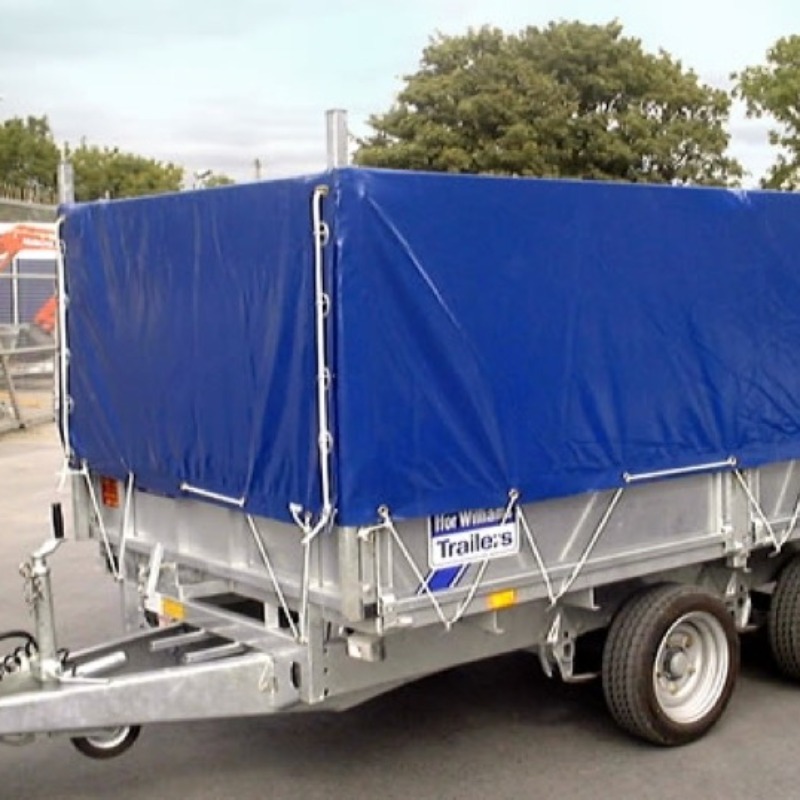
Open top trailers, flatbeds and curtain sided trucks lose loads to rain, spray and dust. The cover is handled at least twice a day, folded, dragged across the deck, hooked down and left in the sun between trips. The real enemy is not the rain falling on it but the movement underneath it.
- Waterproof coating on both faces, because condensation forms inside as well as rain outside
- Tear strength that survives constant flapping at highway speed
- Cold crack resistance for early loading in winter
- UV stability for covers that sit exposed between loads
- Reinforced edges and grommets where ropes and hooks bite into the cloth
On a quotation this usually lands on a 500D to 1300D polyester base cloth with a PVC coating, at roughly 550 to 650 gsm. A higher yarn count adds tear strength but also stiffness, and a cover that is too stiff is harder to fold and quicker to crack along the crease lines. Grommets spaced about 50 to 60 cm apart along a double folded hem are a practical benchmark for a cover that is tied down daily rather than occasionally.
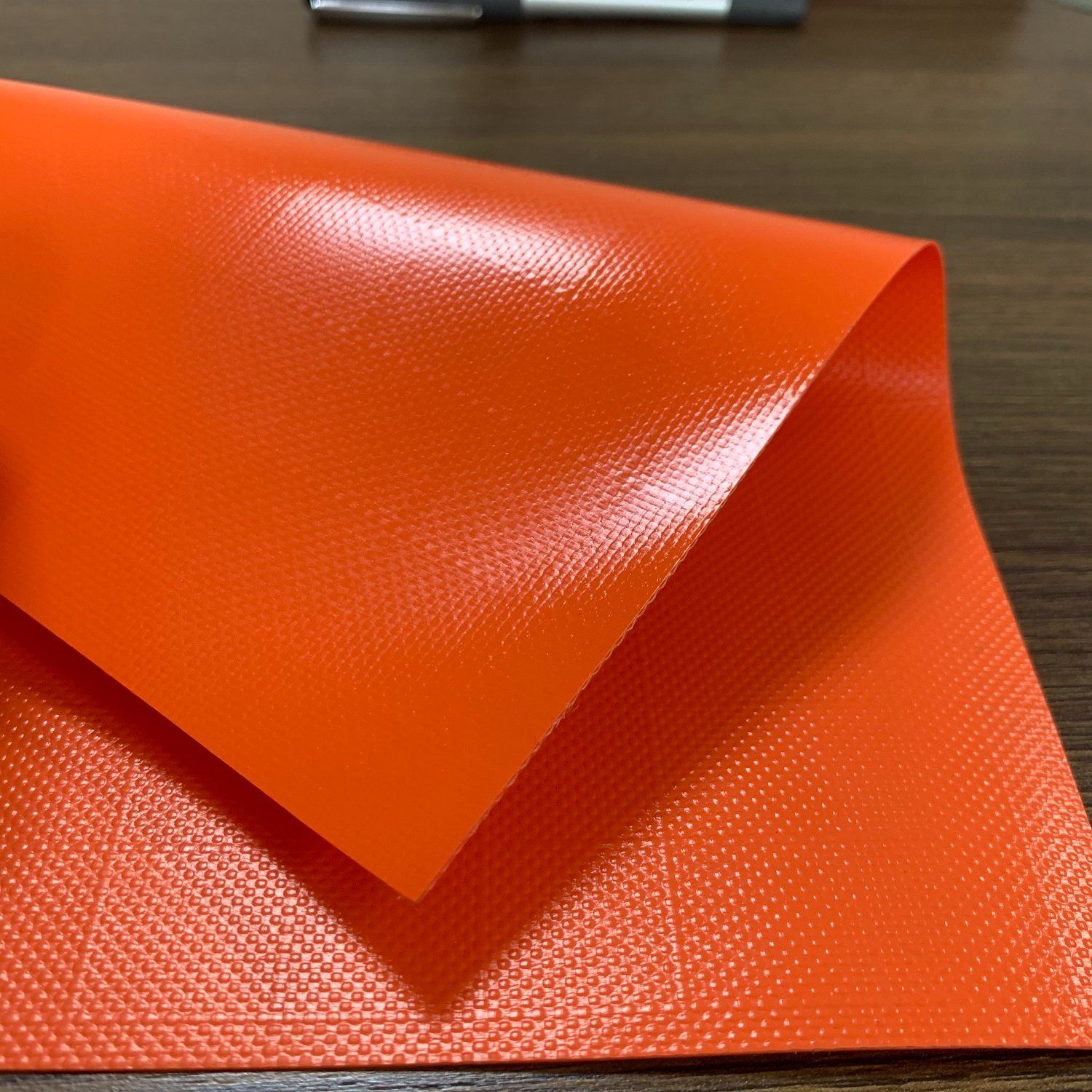
 Heavy-Duty 550–650 gsm PVC Truck Trailer TarpsWaterproof PVC tarpaulin series for trucks and outdoor protection, offered in 550g, 600g and 650g weights with custom sizing options.View Product →
2. Screening and Containment on Construction Sites
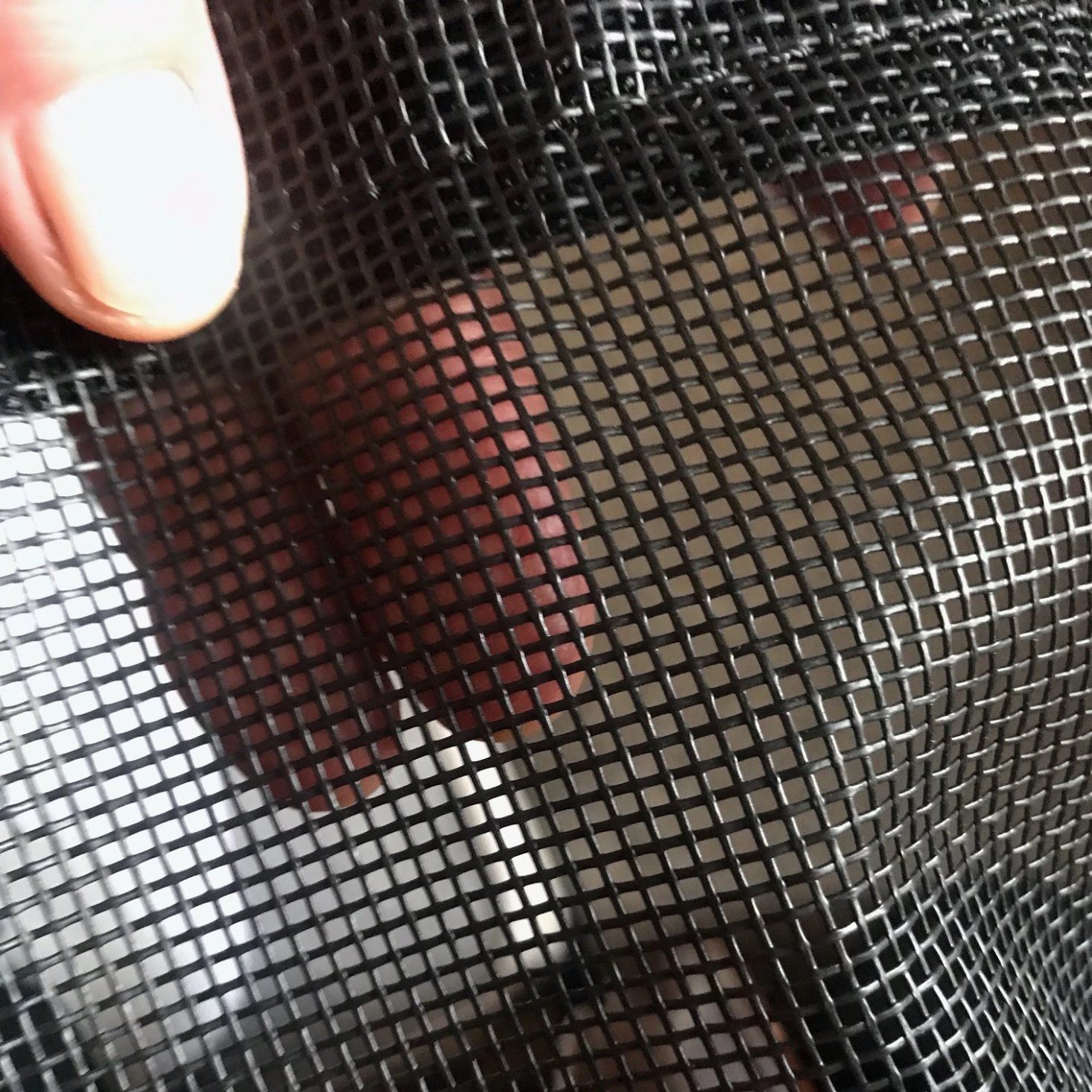
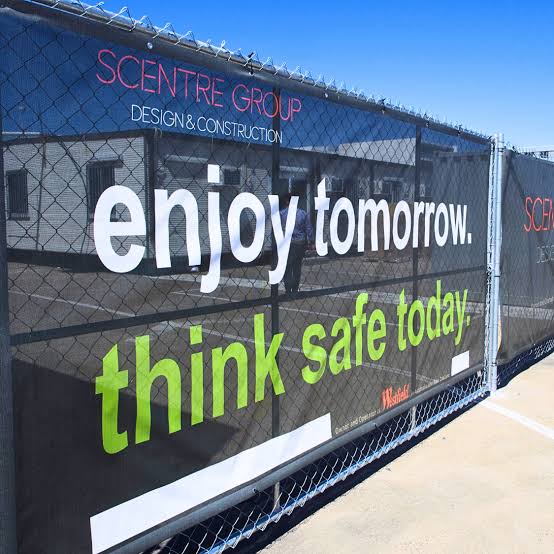
Construction sites use vinyl in a different form: open weave mesh rather than a solid sheet. Dust screens, windbreaks, debris netting and safety fencing hang vertically for months, catching wind load and grit while the sun works on the yarn. Because the material is perforated, wind passes through instead of pulling the panel off its fixings, and the load on the frame stays manageable.
Two failures dominate. The first is UV degradation, which appears as a powdering surface and mesh that tears at the eyelets after a single summer. The second is the loss of flame retardancy after repeated handling or long exposure, which matters where hot work and welding sparks are routine. Buyers who ask for a UV treated, flame retardant PVC coated polyester mesh with high tenacity yarn get a panel that still holds its shape at the end of the project rather than at the end of the month.
Weight is a compromise. Heavier mesh blocks more light and looks tidier along a long fence line, while lighter mesh is easier for two workers to hang from a scaffold without lifting gear.
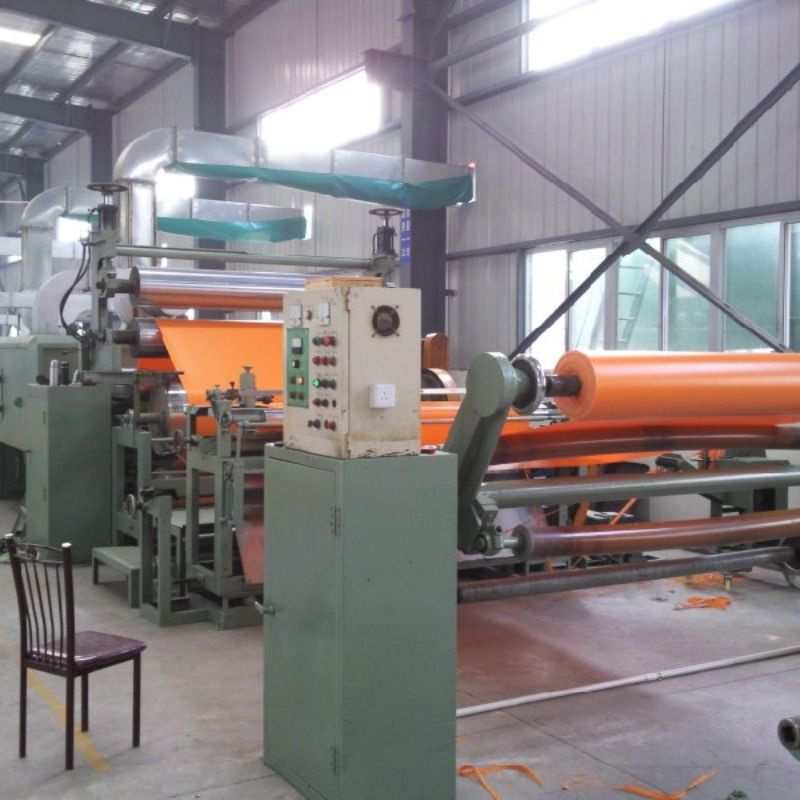 PVC-Coated Polyester Mesh Fabric for Construction and Farm NettingIndustrial PVC-coated polyester mesh in 300–1500 gsm, suited to fencing, safety netting, tarps and agricultural covers with custom widths.View Product →
3. Farm, Orchard and Equipment Protection
Farm use is where the vinyl tarp has the widest range of daily jobs and the least standardised specification. The same roll of fabric can become a hay cover, a tractor cover, a fruit picking bag or a curtain for a livestock shed. What these tasks share is rough handling, dirt, long hours in the sun, and a need to be cleaned without the surface breaking down.
Flexibility matters more than raw strength here. A hay cover is pulled on and off by hand and folded into a tight bundle, so a stiff, heavily coated fabric creases and cracks long before it wears through. A laminated tarpaulin with a softer hand often suits covers handled weekly, while a coated fabric suits surfaces that rub constantly against concrete or machinery.
Rot and mildew resistance are non negotiable, since covers are often rolled up damp. UV treatment protects the surface, and a smooth finish makes the fabric easier to hose down after contact with soil, feed or manure. Harvest bags and machinery covers usually need the same construction in a lighter weight, so a full bag can still be carried by one person.
4. Outdoor Shelter, Awnings and Temporary Work Space
Tents, awnings, carports, market stalls and temporary crew shelters all use vinyl tarps as a roof or wall that stays in place for weeks. The material is judged partly on technical performance and partly on appearance: color that does not chalk, a surface that does not collect dust, and seams that stay flat when the cover is tensioned.
Weldability is the detail that separates a shelter that lasts from one that leaks. Heat welded seams on PVC fabric form a joint almost as strong as the sheet itself, while stitched seams rely on a sealant that ages faster than the coating. A fabricator cutting panels for a tent usually finds a laminated tarpaulin easier to work with because the thickness is consistent and the surface prints well, while a coated fabric is the more abrasion resistant choice for a carport that takes branch scrapes and snow load.
Cold weather is the practical limit. A tarp that folds flat on a mild day may crack when folded in freezing conditions, so buyers specifying year round shelters generally ask for a plasticiser package that keeps the sheet flexible at low temperatures.
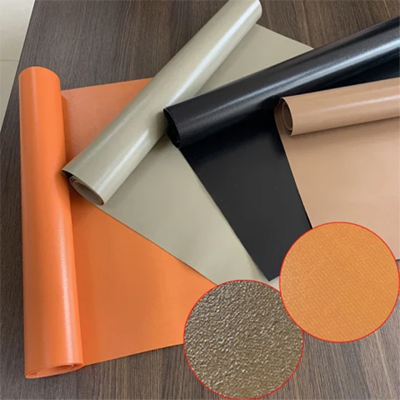
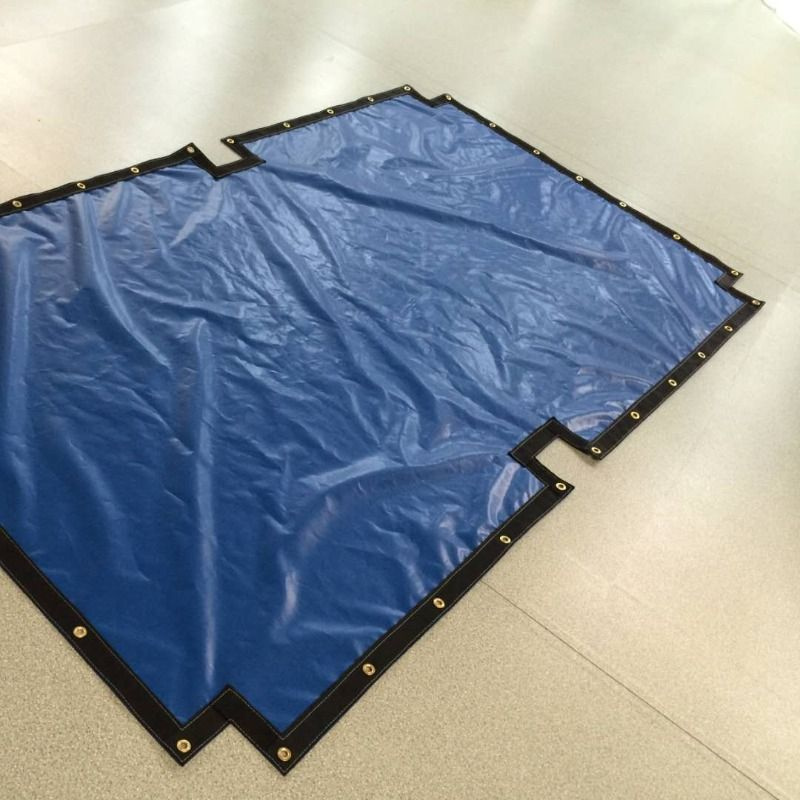
 Finished Waterproof PVC Tarpaulin for Truck, Pallet and Outdoor CoversHeavy-duty finished PVC tarpaulin for covering truck trailers, pallets, machinery and outdoor equipment, with material options for varied uses.View Product →
5. Wrapping and Covering Stored Industrial Goods
Warehouses and open storage yards use vinyl covers on pallets, machine tools, spare parts and equipment waiting for dispatch. The tarp comes on and off with a forklift, so the weak points are the corners and the eyelets rather than the face of the sheet. Moisture control is the real purpose: a cover that keeps rain out but lets vapor through still leaves condensation on cold steel underneath.
Three properties matter most. Low vapor transmission keeps humid air away from the goods. Mildew resistance matters when covers are stored damp between jobs. Dimensional stability matters when a cover is expected to sit flat over a stack for months without sagging into a puddle. A coated PVC fabric in the 550 to 650 gsm range, with welded seams and reinforced eyelets, is a common answer for pallet and machinery covers, and the same cloth can be cut and sewn into fitted shapes for specific equipment.
Specifications That Decide Whether a Vinyl Tarp Survives the Work
Most complaints about vinyl tarps trace back to four specification decisions, and all four normally appear on a quotation.
Base cloth and yarn count
The number before the letter D describes yarn denier. A 500D cloth is lighter and easier to handle, while a 1000D or 1300D cloth resists tearing far better under the same handling. Heavy yarn alone does not guarantee a better cover, because a coarse weave with a thin coating can still leak and fray.
Fabric weight
Total weight in gsm combines the base cloth and the PVC. Two tarps described as 600 gsm can behave differently if one has a heavier scrim and a thinner coating, so ask for the breakdown rather than the total alone.
Coating versus lamination
Both routes bond PVC to polyester, but they age differently.
| Property | PVC coated tarpaulin | PVC laminated tarpaulin |
|---|---|---|
| Bonding | PVC paste applied and fused, partly penetrating the weave | PVC film bonded to the scrim with adhesive |
| Surface feel | Firmer, slightly textured | Smoother, softer, better for printing |
| Abrasion resistance | Higher, suited to truck and machine covers | Moderate, suited to tents and awnings |
| Delamination risk | Low, the coating is mechanically anchored | Higher if the adhesive is poor or the tarp is stored wet |
| Typical daily use | Freight covers, pallet covers | Tents, event covers, printed sheeting |
Seams, edges and hardware
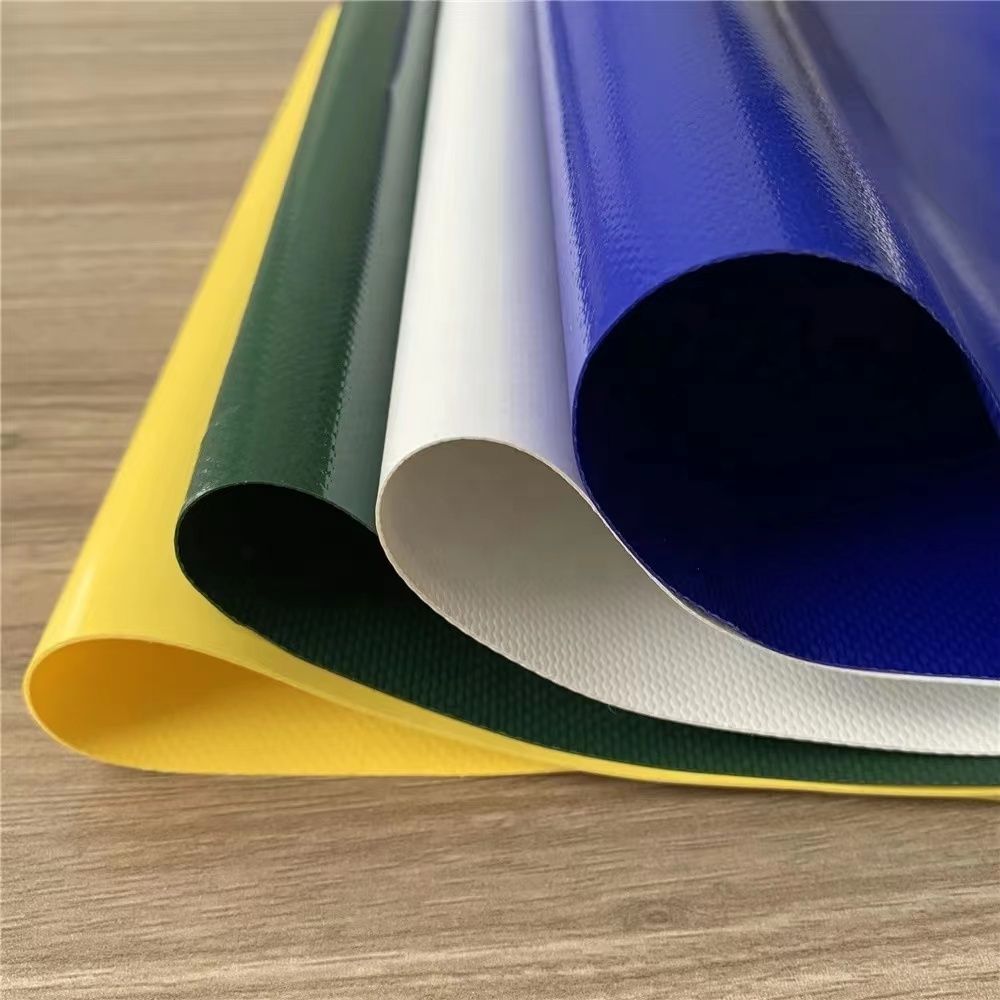
Heat welded seams outperform stitched seams on both coated and laminated PVC. A double folded hem, a rope reinforced edge and eyelets set with a metal ring rather than punched through the fabric all add useful life. For background on how these fabrics are built, this overview of what material a tarpaulin is usually made of is a useful starting point before requesting samples.
A Short Buying Checklist
- State the use in one sentence, such as a daily tied down trailer cover or a mesh panel for a dusty site.
- Confirm the base cloth and the total weight separately instead of accepting one gsm figure.
- Match the finish to the environment: UV treatment outdoors, flame retardant where hot work happens.
- Check seam method and edge reinforcement before discussing price.
- Ask how the fabric behaves when folded cold, especially for covers handled by hand in winter.
- Request a sample of the exact construction, then fold it, wet it and drag it before committing.
The five uses look different on a site, but they ask the same question of the supplier: can the base cloth, the coating and the finishing be matched to the way the tarp is handled every day, rather than to the lowest price per square meter. Buyers who answer that question with a specification usually still have the cover in service when the second one would have been replaced.
For importers, fabricators and site suppliers comparing coated and laminated options, working directly with a PVC tarpaulin and canvas fabric manufacturer that controls both the base cloth and the coating line makes it easier to hold those tolerances from one order to the next.