
Call Us
+86-18962820095

 Español
Content
- 1 How Construction Method Affects Long-Term Durability
- 2 Key Factors That Influence Actual Service Life
- 3 How UV Exposure Accelerates Degradation
- 4 The Impact of Folding and Repeated Handling
- 5 Proper Storage Practices to Extend Service Life
- 6 Recognizing When Replacement Becomes Necessary
- 7 Comparing Service Life Across Different Use Cases
- 8 Who Should Pay Close Attention to Service Life Expectations
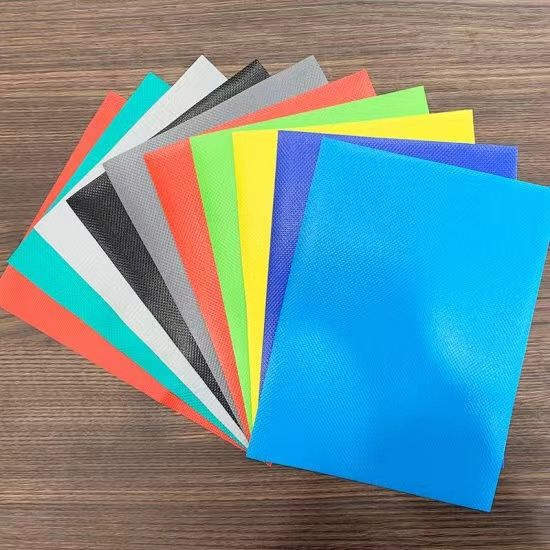
PVC laminated tarpaulin typically lasts between 5 and 10 years under normal outdoor use conditions, though actual service life varies significantly based on UV exposure intensity, handling frequency, and how well the material is stored and maintained between uses. Since PVC laminated tarpaulin is constructed by bonding a PVC film layer to a woven polyester or polyethylene base fabric rather than fully encapsulating the fibers, its long-term durability depends heavily on how well that lamination bond holds up against sustained environmental stress. Material performance data commonly referenced in industrial fabric testing shows that lamination-based tarpaulin products generally show measurable UV-related degradation within 3 to 5 years of continuous outdoor exposure in high-intensity sun regions, making application environment one of the most significant factors influencing actual product lifespan.
How Construction Method Affects Long-Term Durability
Understanding how PVC laminated tarpaulin is manufactured helps explain why its service life differs from fully coated alternatives, since the lamination process bonds rather than fully encapsulates the base fabric.
Lamination Versus Full Coating Construction
- Laminated tarpaulin bonds a PVC film layer onto the woven base fabric surface, leaving the fabric weave structure partially exposed at the bond line
- Fully coated tarpaulin encapsulates the fabric completely within the PVC resin, creating a more continuous protective barrier
- This structural difference means laminated products can be more susceptible to delamination over time, particularly at seams and high-stress fold points
A quality PVC Laminated Tarpaulin using a strong adhesive bonding process and higher-grade base fabric will generally outperform lower-cost laminated alternatives, since bond strength directly determines how long the material resists separation under repeated flexing and environmental stress.
Key Factors That Influence Actual Service Life
While manufacturers commonly cite a 5 to 10 year lifespan range, several practical variables determine where a specific installation falls within that range.
Primary Lifespan Factors
| Factor | Effect on Service Life |
| UV exposure intensity | Higher exposure accelerates lamination breakdown and fading |
| Handling and fold frequency | Repeated folding stresses lamination bond at crease points |
| Storage conditions between uses | Proper drying and storage significantly extends usable life |
Tarpaulin used continuously outdoors in high-UV climates will generally show wear signs sooner than the same product used intermittently and stored properly between applications, making usage pattern just as important as the material specification itself.
How UV Exposure Accelerates Degradation
Ultraviolet radiation is one of the most significant environmental stressors affecting PVC laminated tarpaulin, gradually breaking down the polymer structure and weakening the adhesive bond between layers over time.
Signs of UV-Related Degradation
Fading color, surface chalking, and increased brittleness are common early indicators of UV damage, and as degradation progresses, the lamination bond itself can begin to weaken, leading to visible peeling or separation between the PVC film and base fabric layers.
UV Stabilizer Additives and Their Role
Higher-quality laminated tarpaulin products incorporate UV stabilizing additives into the PVC film formulation, meaningfully slowing this degradation process compared to unstabilized products, though even stabilized materials will eventually show wear under sustained, intense sun exposure over many years.
The Impact of Folding and Repeated Handling
Unlike permanently installed applications, many uses of PVC laminated tarpaulin involve frequent folding, unfolding, and repositioning, which places repeated mechanical stress specifically at fold lines.
Why Fold Points Wear Faster
- Repeated folding concentrates stress along the same crease lines each time the material is handled
- This repeated flexing can gradually weaken the lamination bond specifically at those crease points
- Over time, this localized stress often leads to visible cracking or delamination along fold lines before the rest of the material shows significant wear
Rotating fold patterns when possible, rather than always folding along the exact same lines, can help distribute this mechanical stress more evenly across the material and extend overall usable lifespan.
Proper Storage Practices to Extend Service Life
How tarpaulin is stored between periods of use significantly affects how long it remains functional, since improper storage can introduce moisture damage or unnecessary material stress even when the product is not actively in use.
Recommended Storage Guidelines
- Ensure the tarpaulin is fully dry before folding and storing to prevent mold or mildew development
- Store in a cool, shaded location away from direct sunlight and extreme temperature fluctuations
- Avoid compressing folded tarpaulin under heavy weight for extended storage periods, which can create permanent creasing
Following these storage practices for a PVC Laminated Tarpaulin product helps preserve both the material's flexibility and its lamination bond strength, supporting a longer effective service life than storage in damp or sun-exposed conditions would allow.
Recognizing When Replacement Becomes Necessary
Understanding the visible signs that indicate a tarpaulin has reached the end of its useful service life helps users plan replacement before performance failures occur during active use.
Common Signs of End-of-Life Wear
Visible delamination or peeling between the PVC film and base fabric, persistent cracking along fold lines regardless of care taken, and noticeably reduced waterproof performance despite proper cleaning are all indicators that the material has likely reached the practical end of its usable lifespan.
Comparing Service Life Across Different Use Cases
Actual service life expectations vary meaningfully depending on how the tarpaulin is applied, since continuous structural covering places different demands on the material than intermittent transport or storage use.
Typical Lifespan by Application Type
| Application Type | Typical Expected Lifespan |
| Continuous outdoor structural covering | 3 to 6 years, depending on UV exposure |
| Intermittent transport or seasonal use | 6 to 10 years with proper storage between uses |
These figures reflect general industry expectations, and actual results depend heavily on the specific product grade, regional climate conditions, and how consistently proper care practices are followed throughout the material's service period.
Who Should Pay Close Attention to Service Life Expectations
Businesses using tarpaulin for continuous outdoor structural coverage, such as temporary storage shelters or equipment covers left in place year-round, should pay particularly close attention to UV exposure conditions when estimating realistic replacement timelines. Buyers using tarpaulin intermittently for transport or seasonal applications can generally expect longer effective service life, provided they follow proper drying and storage practices between each period of active use, making care habits just as important as the initial product selection.