
Call Us
+86-18962820095

 Español
Content
- 1 Comparing Material Construction and Durability
- 2 Waterproofing Performance Differences
- 3 UV Resistance and Long-Term Outdoor Exposure
- 4 Tear and Puncture Resistance in Demanding Applications
- 5 Weight, Flexibility, and Handling Considerations
- 6 Cost Comparison and Value Over Time
- 7 Choosing the Right Material for Your Application
- 8 Who Should Prioritize PVC Coated Tarpaulin Over Poly Tarps
PVC coated tarpaulin generally outperforms standard polyethylene tarps in durability, waterproofing, tear resistance, and long-term outdoor performance, making it the better choice for demanding applications such as truck covers, industrial tarps, and long-term structural coverings. Poly tarps remain a reasonable option for lightweight, short-term, or budget-conscious uses where extreme durability is not a priority, but they typically degrade faster under UV exposure and are more prone to tearing under repeated stress. Material testing commonly referenced in industrial fabric applications shows that PVC coated fabrics can offer significantly higher tensile and tear strength compared to standard woven polyethylene sheeting, which is why PVC coated products are widely specified for applications requiring years of reliable outdoor performance.
Comparing Material Construction and Durability
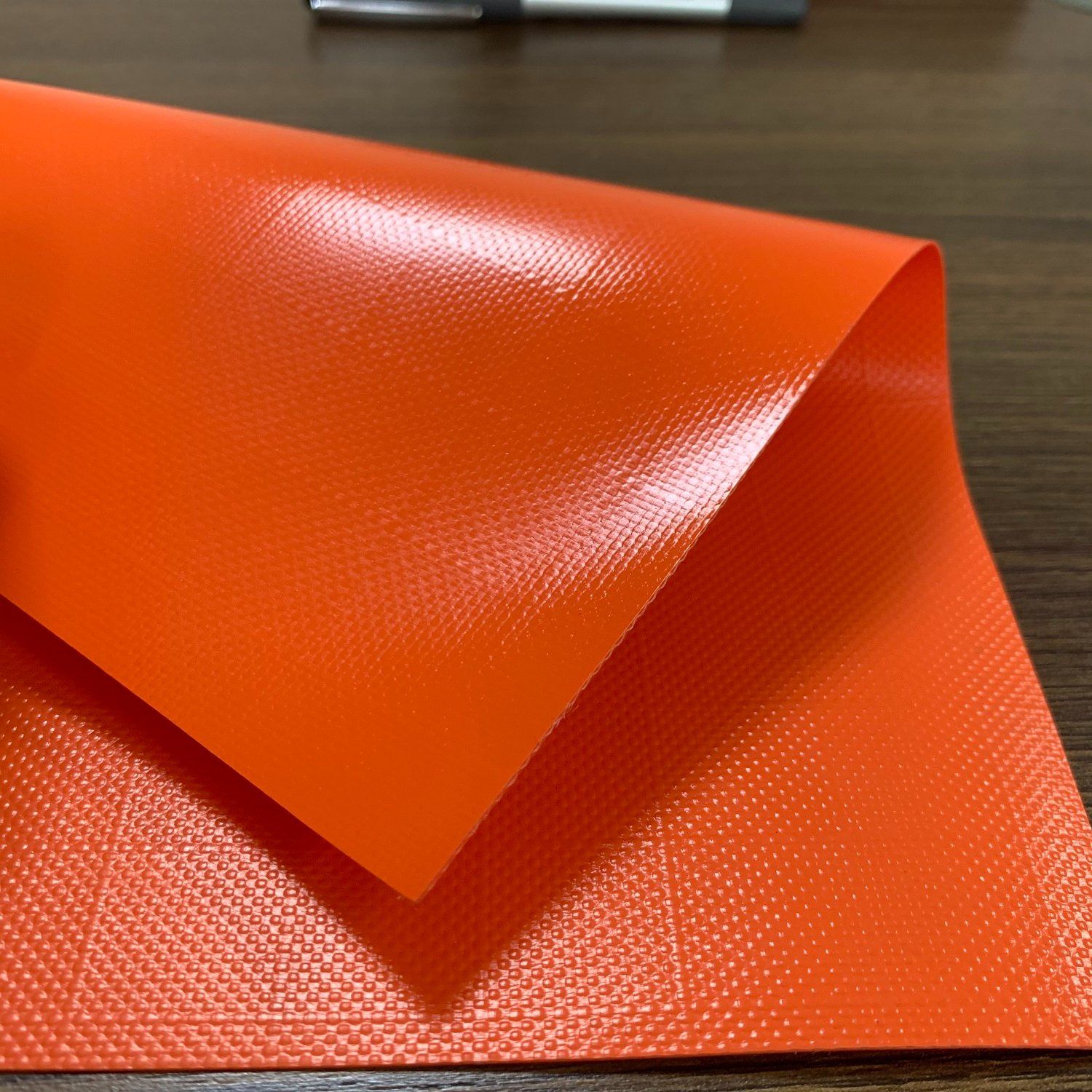
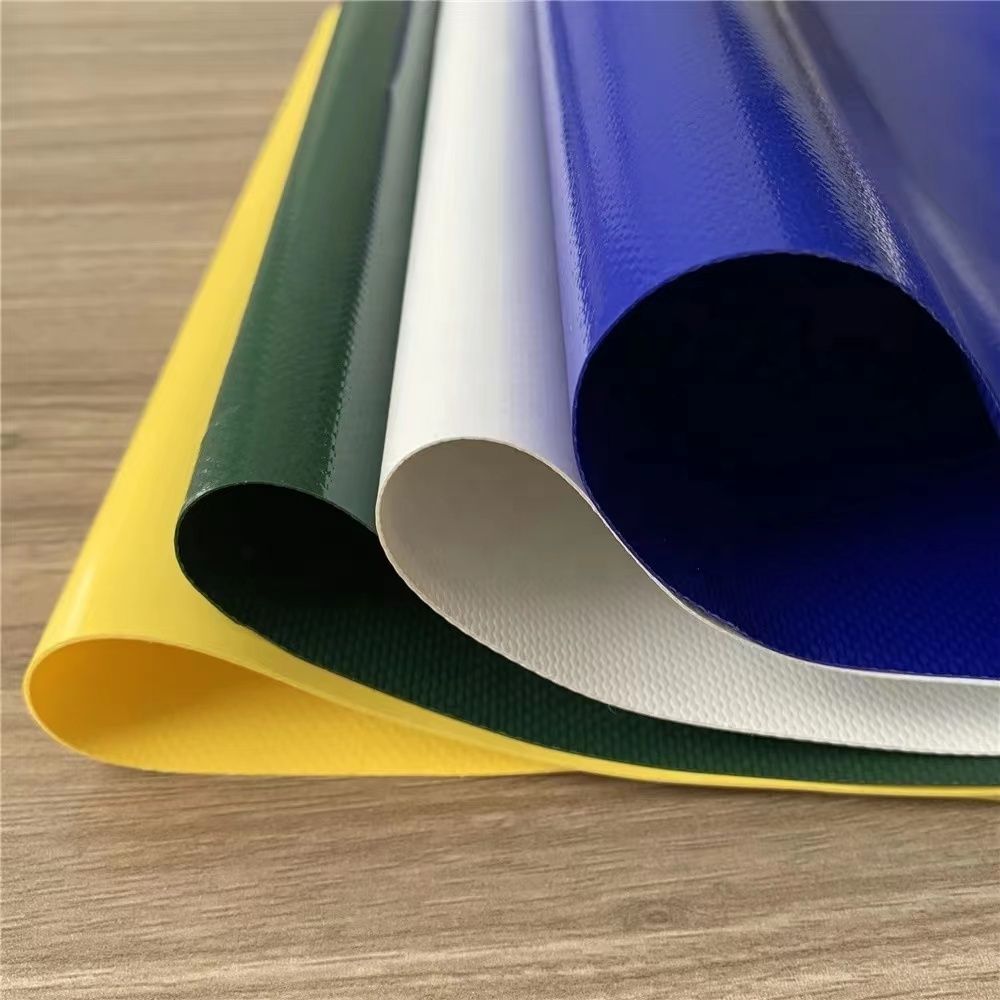
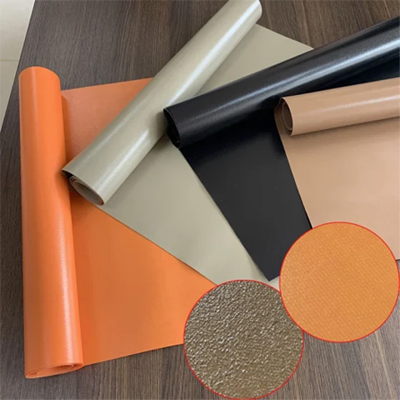
The fundamental construction difference between these two materials directly explains their performance gap, since PVC coated tarpaulin uses a woven polyester or nylon base fabric fully coated in PVC resin, while poly tarps rely on a simpler woven or laminated polyethylene sheet structure.
Structural Comparison
| Material | Base Construction | Typical Durability |
|---|---|---|
| Polyethylene tarp | Woven or laminated poly sheeting | Moderate, shorter service life |
| PVC coated tarpaulin | Woven fabric base fully coated in PVC resin | High, extended service life |
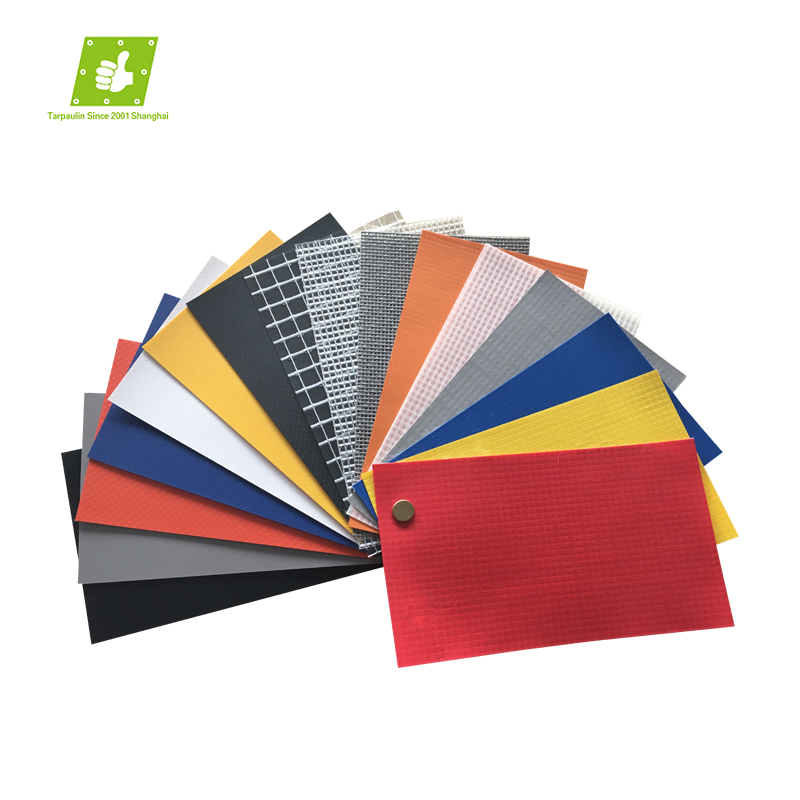
This fully encapsulated coating on PVC Coated Tarpaulin creates a continuous protective layer around the woven fabric core, significantly improving resistance to abrasion, punctures, and general wear compared to the thinner, less reinforced structure typical of standard poly tarps.
Waterproofing Performance Differences
Both materials offer water resistance, but the level and consistency of that waterproofing differs meaningfully between the two options, particularly over extended periods of outdoor exposure.
Why PVC Coating Provides Superior Waterproofing
- Full PVC encapsulation creates a continuous waterproof barrier without seams or weak points in the coating
- Seam welding on PVC coated products creates fully sealed joints rather than stitched seams that can leak
- PVC coating resists cracking or thinning over time better than the lighter poly film layer on standard tarps
Poly tarps, particularly lower-grade options, can develop pinholes or thin spots over time from UV exposure and mechanical stress, gradually reducing their waterproof performance in ways that a properly maintained PVC coated tarpaulin typically avoids for much longer.
UV Resistance and Long-Term Outdoor Exposure
Extended sun exposure is one of the most demanding conditions either material will face, and this is an area where the performance gap between poly tarps and PVC coated tarpaulin becomes particularly evident.
How UV Exposure Affects Each Material
Standard polyethylene tarps often become brittle and prone to cracking after prolonged UV exposure, sometimes within a single outdoor season depending on climate intensity, while PVC coated fabrics generally incorporate UV stabilizing additives that slow this degradation process considerably.
Expected Outdoor Lifespan Comparison
Depending on climate and usage conditions, standard poly tarps often show noticeable UV degradation within one to two years of continuous outdoor exposure, whereas quality PVC coated tarpaulin products can maintain functional performance for several years longer under similar conditions.
Tear and Puncture Resistance in Demanding Applications
For applications involving frequent handling, wind exposure, or contact with rough surfaces, tear and puncture resistance becomes a critical performance factor that separates these two material types significantly.
Applications Where Tear Resistance Matters Most
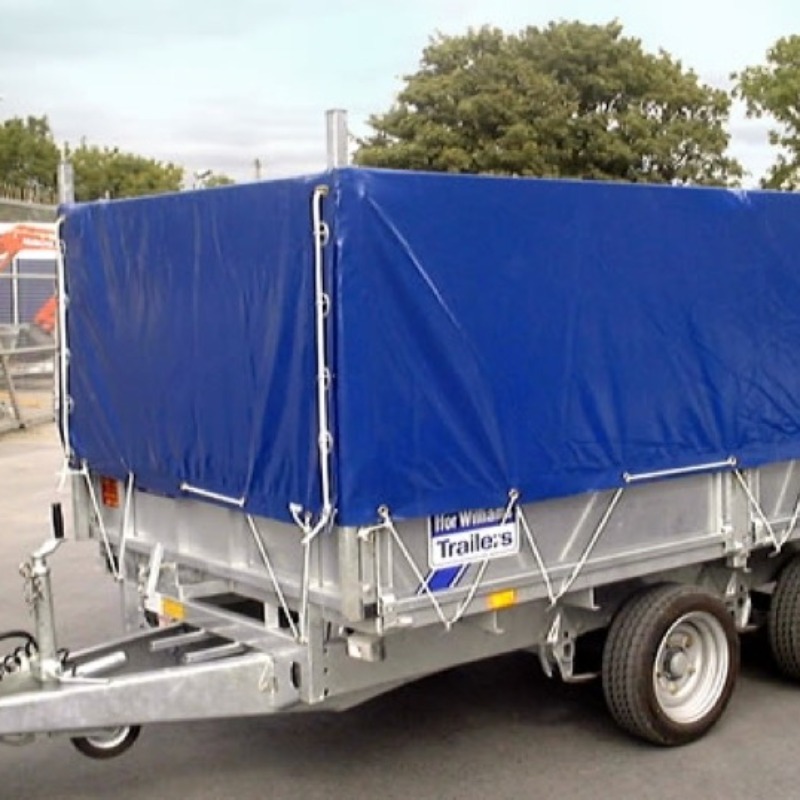
- Truck and cargo covers exposed to wind flapping and load friction during transport
- Industrial equipment covers used repeatedly in outdoor storage yards
- Temporary structure coverings subject to wind stress and repeated tensioning
The woven fabric core beneath the PVC coating provides significantly greater tear resistance once a small puncture occurs, since the coating helps prevent that initial tear from propagating further, a common failure mode seen more frequently in thinner poly tarp materials.
Weight, Flexibility, and Handling Considerations
While PVC coated tarpaulin generally outperforms poly tarps in durability, it is worth noting some practical trade-offs related to weight and handling that buyers should factor into their decision.
Weight Differences Between Materials
PVC coated tarpaulin is typically heavier than standard poly tarps due to its denser woven base fabric and full resin coating, which can make handling slightly more demanding for very large sheets, though this added weight also contributes directly to its improved durability performance.
Flexibility in Cold Weather
Some PVC coated products can become slightly stiffer in very cold temperatures compared to poly tarps, though quality manufacturers formulate their coatings to maintain reasonable flexibility across a wide temperature range for most practical applications.
Cost Comparison and Value Over Time
Upfront cost is often lower for standard poly tarps, but evaluating total value requires considering how frequently each material needs replacement under similar usage conditions.
Long-Term Cost Perspective
While a PVC Coated Tarpaulin typically carries a higher initial purchase price than a comparable poly tarp, its extended service life often results in a lower effective cost per year of use, particularly for applications requiring frequent, heavy-duty outdoor exposure where poly tarps would need more frequent replacement.
Choosing the Right Material for Your Application
The better choice between these two materials ultimately depends on the specific demands of the intended use case, budget considerations, and expected service duration.
When Poly Tarps Are a Reasonable Choice
For short-term, low-stress applications such as temporary paint protection, light seasonal covering, or budget-conscious one-time use projects, standard poly tarps often provide adequate performance at a lower initial cost.
When PVC Coated Tarpaulin Is the Better Investment
For applications requiring durability across multiple seasons, heavy handling, or exposure to demanding outdoor conditions, PVC coated tarpaulin delivers meaningfully better long-term performance and reliability, justifying its higher upfront cost for most commercial and industrial use cases.
Who Should Prioritize PVC Coated Tarpaulin Over Poly Tarps
Businesses managing truck fleets, outdoor equipment storage, or construction site coverings should generally prioritize PVC coated tarpaulin given its superior tear resistance, waterproofing, and extended service life under demanding conditions. Homeowners or individuals needing short-term, occasional coverage for lighter tasks may find standard poly tarps sufficiently practical, though anyone expecting repeated seasonal use should weigh the long-term value advantages that PVC coated materials typically provide over standard polyethylene alternatives.