
Call Us
+86-18962820095

 Español
Content
- 1 How Flame Resistant PVC Tarpaulin Is Made Different
- 2 Key Performance Differences in Fire Behavior
- 3 Side-by-Side Comparison of Key Properties
- 4 Non-Fire Properties: What Stays the Same
- 5 Fire Safety Standards and Certifications to Look For
- 6 Applications That Require Flame Resistant PVC Tarpaulin
- 7 When Regular PVC Tarpaulin Is Sufficient
The fundamental difference is this: flame resistant PVC tarpaulin is treated or manufactured with fire-retardant chemicals that cause it to self-extinguish or burn very slowly when exposed to flame, while regular PVC tarpaulin has no such treatment and will continue to burn, melt, and spread fire once ignited. Both products share the same base construction — a polyester fabric core laminated or coated with PVC — but the addition of flame-retardant compounds transforms how the material behaves under fire conditions, making flame resistant tarpaulin the legally required or strongly recommended choice in construction sites, public events, warehouses, and transportation applications where fire risk is present.
How Flame Resistant PVC Tarpaulin Is Made Different
Standard PVC tarpaulin is manufactured by calendering or knife-coating a plasticized PVC compound onto a woven polyester scrim, then laminating a second PVC layer on the reverse face. The result is a tough, weatherproof sheet — but one that is inherently flammable, since both the PVC plasticizers and the polyester fabric will sustain combustion once ignited by an external flame source.
Flame resistant versions are produced using one or more of three approaches:
- Integral compounding: Flame-retardant additives — most commonly antimony trioxide combined with halogenated compounds, or phosphate-based systems — are blended directly into the PVC paste before coating. This method provides durable, permanent flame resistance that cannot be washed off or abraded away.
- Flame-retardant fabric treatment: The woven polyester scrim is pre-treated with a flame-retardant finish before lamination, adding a secondary barrier that slows combustion of the fabric core even if the PVC coating is breached.
- Topcoat application: A flame-retardant chemical solution is applied as a final surface coating to the finished tarpaulin. This is the least durable method — the treatment degrades with UV exposure and repeated washing — and is typically used for lower-cost or temporary applications.
The mechanism by which these additives work is to interrupt the combustion cycle: when the material is heated, the flame-retardant compounds release free radicals or inert gases that dilute the flammable vapors produced, preventing the chain reaction of sustained burning. The material chars rather than melts and drips, which is critical — flaming droplets from burning regular PVC tarpaulin are a primary mechanism by which fire spreads to adjacent materials.
Key Performance Differences in Fire Behavior
The practical difference in fire behavior between the two materials is substantial and measurable. The following characteristics illustrate why the distinction matters in real fire scenarios:
Ignition Resistance
Flame resistant PVC tarpaulin requires a higher heat flux to ignite and is significantly more difficult to set alight from a small ignition source such as a cigarette or spark. Regular PVC tarpaulin can ignite from a sustained small flame in under 10 seconds, while a quality flame resistant grade may resist ignition from the same source entirely or require sustained exposure exceeding 30–60 seconds before catching.
Self-Extinguishing Behavior
When the ignition source is removed, flame resistant tarpaulin certified to standards such as EN 13501-1 (Class B or C) or NFPA 701 will self-extinguish within a defined time limit — typically within 2 seconds of flame removal for Class B materials. Regular tarpaulin will continue burning after the ignition source is withdrawn, with flame spread accelerating as the material heats up.
Flame Spread Rate
Flame spread index testing (per ASTM E84 or equivalent) shows that regular PVC tarpaulin has a flame spread index typically in the range of 75–200, placing it in Class C or worse. Certified flame resistant grades achieve flame spread index values below 25, qualifying as Class A materials under the same standard — a reduction in flame propagation speed of 80% or more.
Dripping and Fire Spread
Regular PVC tarpaulin melts and produces flaming droplets when burning, which fall onto surrounding materials and initiate secondary fires. Flame resistant formulations are engineered to char in place rather than melt, dramatically reducing or eliminating flaming drip behavior — one of the most dangerous fire spread mechanisms in tarpaulin-covered structures and vehicles.
Side-by-Side Comparison of Key Properties
| Property | Regular PVC Tarpaulin | Flame Resistant PVC Tarpaulin |
|---|---|---|
| Ignition behavior | Ignites readily from small flame sources | Resists ignition; requires sustained |
| Self-extinguishing | No — continues burning after flame | Yes — extinguishes within 2 seconds |
| Flame spread index | 75 – 200 (Class C or worse) | Below 25 (Class A) |
| Flaming drip behavior | Melts and drips burning material | Chars in place; minimal or no |
| Smoke density | High smoke output when burning | Lower smoke; varies by FR additive |
| Fire certification | None | EN 13501-1, NFPA 701, DIN 4102 B1, or |
| Typical cost premium | Baseline | 20 – 40% higher than standard grade |
| FR treatment durability | N/A | Permanent (integral compound) or |
Non-Fire Properties: What Stays the Same
It is important to understand that adding flame-retardant treatment to PVC tarpaulin does not significantly compromise its physical performance properties. High-quality flame resistant grades match standard tarpaulin in the following respects:
- Tensile and tear strength: Flame resistant grades manufactured with integral FR compounding retain tensile strengths comparable to standard grades — typically 2,000–3,500 N/5cm warp and weft for medium-duty specifications.
- Waterproofing: The PVC coating remains fully waterproof; flame-retardant additives do not create porosity in the coating layer. Hydrostatic head values above 1,500 mm H₂O are standard for quality flame resistant tarpaulin.
- UV resistance: UV stabilizers are included in the compound formulation of quality flame resistant grades, providing comparable outdoor service life — typically 5–10 years — to standard tarpaulin.
- Temperature flexibility: Both grades remain flexible at temperatures down to approximately -20°C and are serviceable up to 70°C continuous exposure.
- Weldability and fabrication: Flame resistant PVC tarpaulin can be heat-welded, RF-welded, and mechanically joined using the same methods as standard grades, making it suitable for custom fabrication into covers, tents, curtains, and truck side curtains.
Fire Safety Standards and Certifications to Look For
Flame resistance is a performance claim that must be verified by standardized testing — a product described as "flame resistant" without certification documentation should not be trusted for safety-critical applications. The most widely recognized standards for PVC tarpaulin fire performance are:
- EN 13501-1 (Europe): The primary European fire classification standard. Class B-s2-d0 or better is required for most construction and public assembly applications, indicating limited flame spread, medium smoke production, and no flaming droplets.
- NFPA 701 (USA): The standard test method for flame propagation of textiles and films used in the United States for tents, awnings, and temporary structures. Products must pass both the small-scale and large-scale test to achieve certification.
- DIN 4102 B1 (Germany): A German standard specifying "highly flame retardant" building materials; widely referenced in German-speaking markets and accepted in several neighboring countries for construction applications.
- BS 7837 / BS 5438 (UK): British standards for flame resistant fabrics used in tents and inflatable structures, requiring specific afterflame and afterglow time limits.
- GB 8624 (China): The Chinese national standard for building material combustion performance, with Class B1 and B2 grades applicable to tarpaulin products in construction and industrial use.
Always request the original test report from the manufacturer, not just a product label stating compliance. Test reports should include the specific test method, the testing laboratory's accreditation number, the product specification tested, and the date of testing — as flame-retardant performance can degrade over time in topcoat-treated products.
Applications That Require Flame Resistant PVC Tarpaulin
In many industries and settings, flame resistant tarpaulin is not simply preferable — it is legally mandated or required by insurance and contracting terms. Key application areas include:
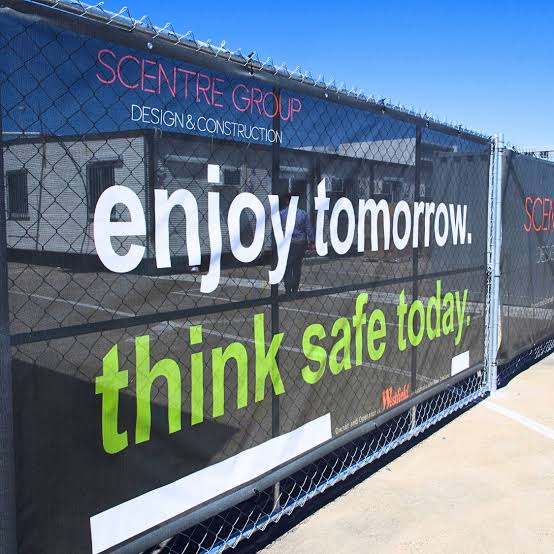
- Construction sites: Scaffold debris netting, weather protection sheeting, and temporary enclosures are required to meet flame resistant ratings in most jurisdictions under building site safety regulations, as these materials are in close proximity to welding, cutting, and open electrical work.
- Public events and temporary structures: Marquees, exhibition halls, festival structures, and temporary grandstand covers are subject to strict flame spread requirements under public assembly fire codes, typically requiring EN 13501-1 Class B or NFPA 701 compliance.
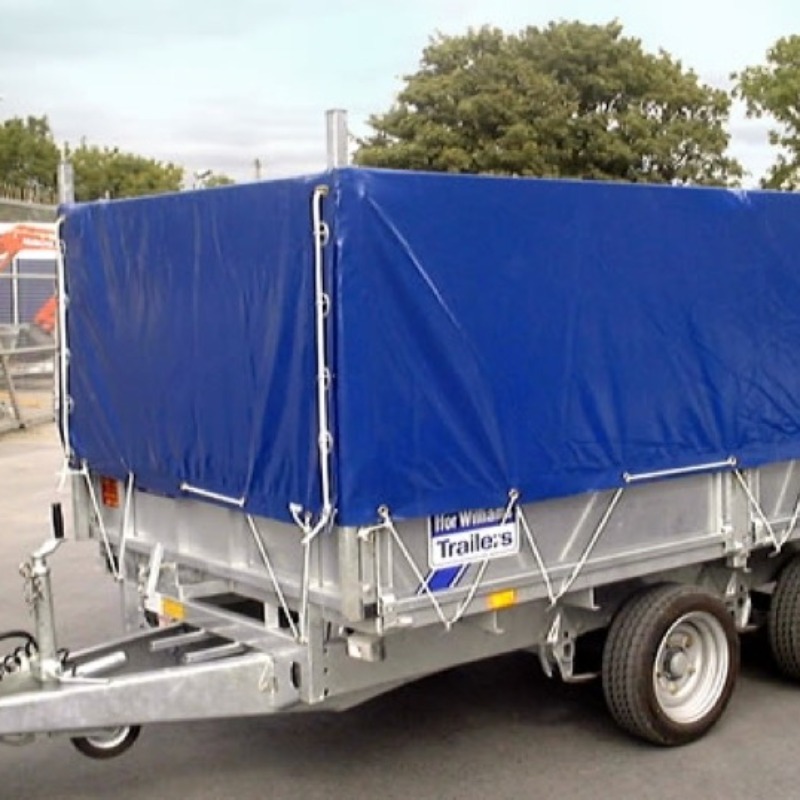
- Commercial vehicle curtainsiders: Truck side curtains and trailer covers on vehicles carrying goods through tunnels or populated areas are required by transport regulations in many countries to be flame resistant, preventing fire spread in the event of a vehicle accident.
- Warehouses and industrial storage: Tarpaulin covers used over stored goods or as partition curtains in warehouses with sprinkler systems must not impair the sprinkler's ability to suppress fire — flame resistant grades that self-extinguish comply with sprinkler system design requirements where standard tarpaulin would not.
- Military and emergency response: Field shelters, equipment covers, and disaster relief structures use flame resistant tarpaulin to reduce risk in environments where fire hazards cannot be fully controlled.
When Regular PVC Tarpaulin Is Sufficient
For applications without regulatory fire requirements and with low fire risk, standard PVC tarpaulin remains an appropriate and cost-effective choice. Typical suitable uses include:
- Agricultural covers for hay, grain, and equipment stored away from buildings
- Outdoor furniture and machinery covers in residential settings
- Boat and vehicle covers in open-air storage with no ignition sources nearby
- Temporary ground covers and cargo protection during transport in non-hazardous environments
The 20–40% cost premium of flame resistant tarpaulin over standard grades is easily justified wherever fire risk is present or regulations apply, but represents unnecessary expenditure in genuinely low-risk scenarios where the material will never be near an ignition source. When in doubt about regulatory requirements for a specific application, consult the relevant fire safety authority or building regulations guidance in your jurisdiction before specifying materials.