
Call Us
+86-18962820095

 Español
Content
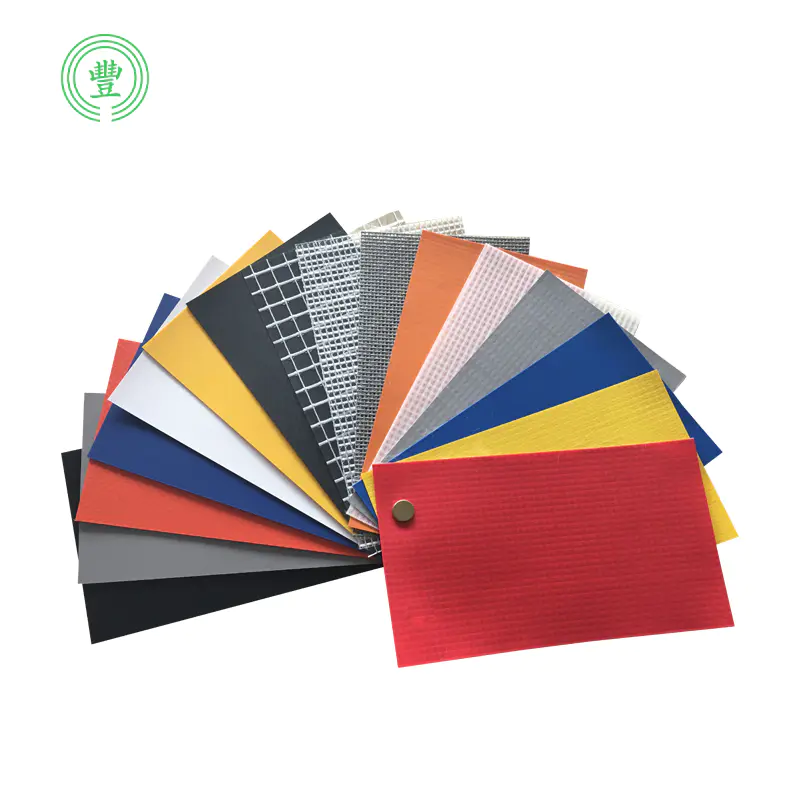
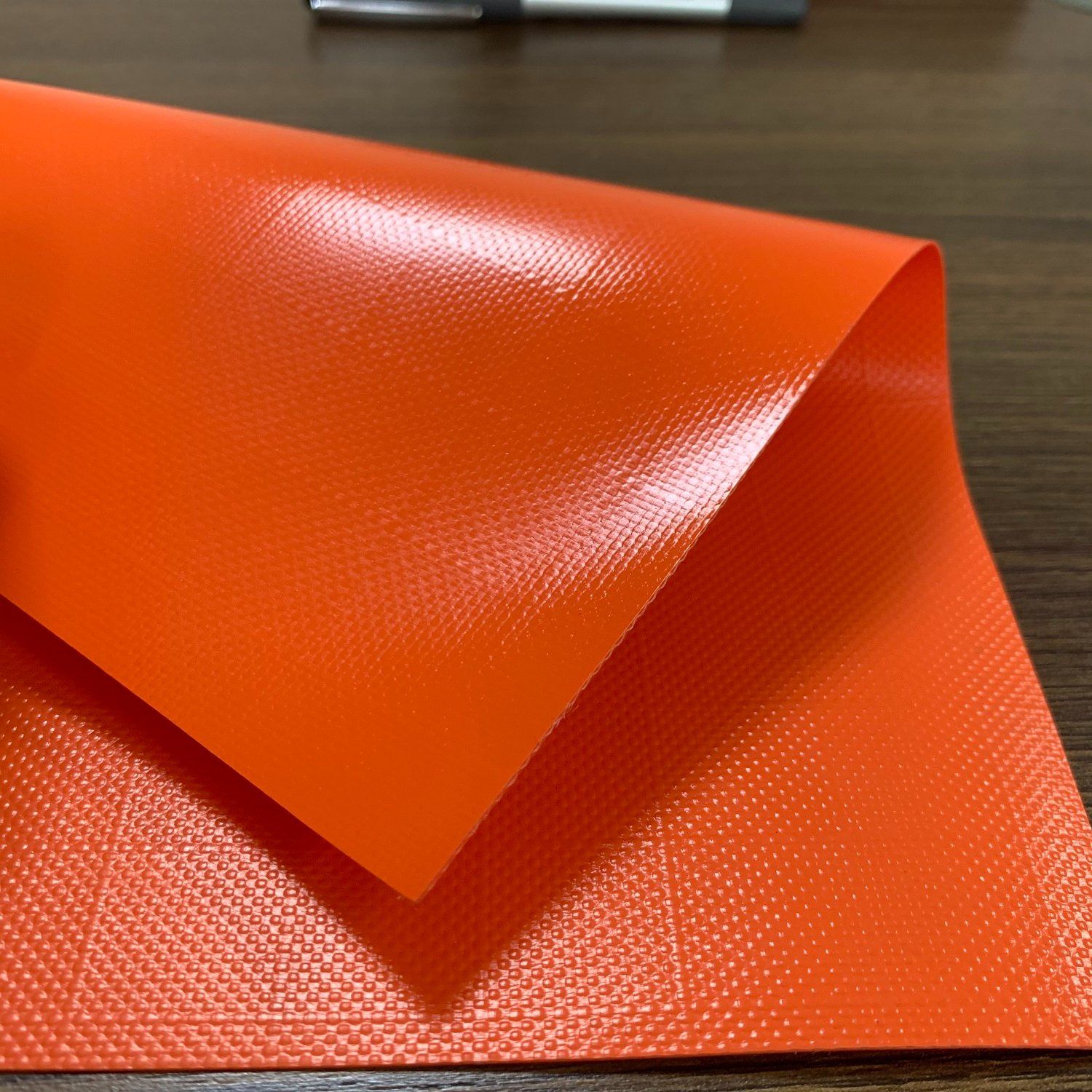
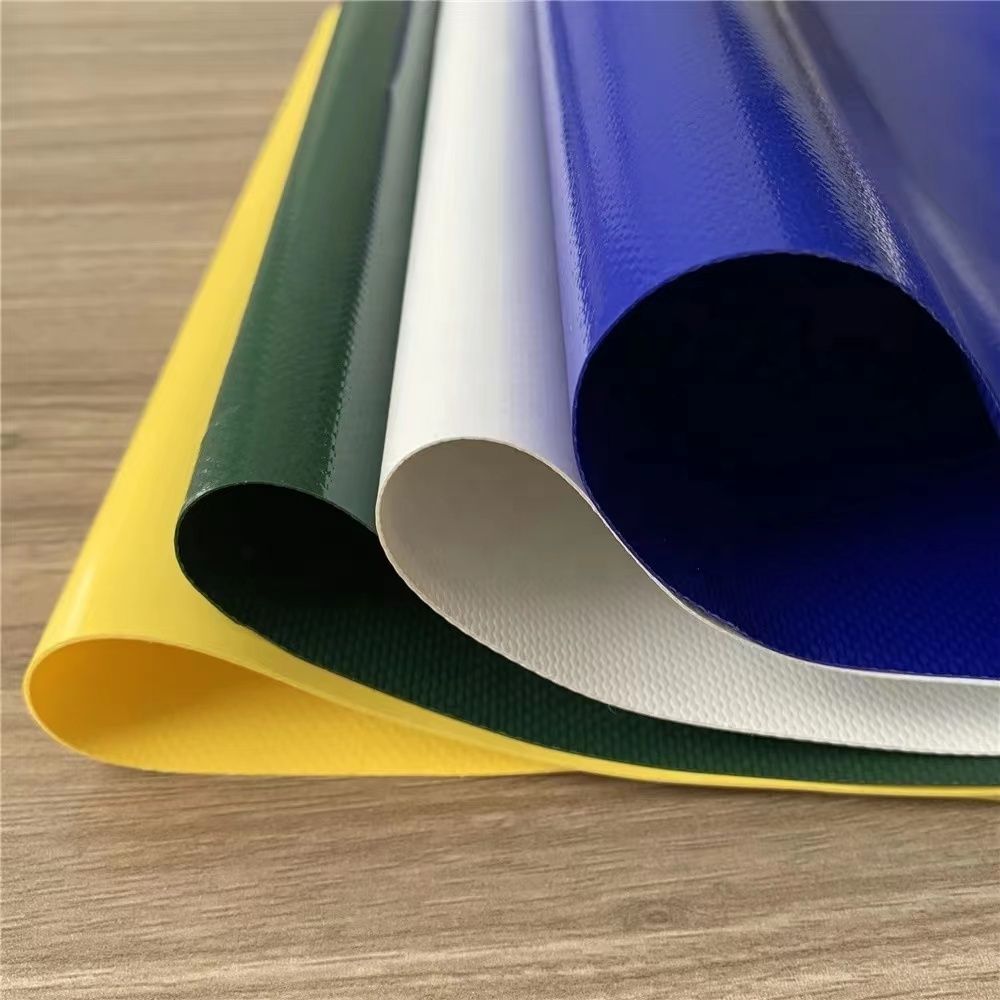
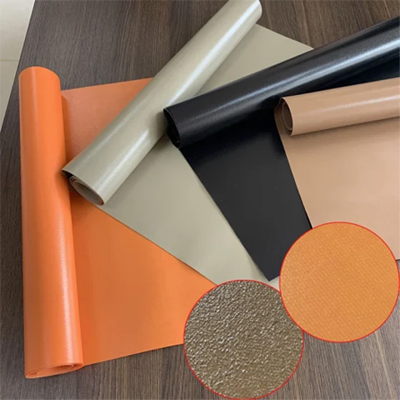
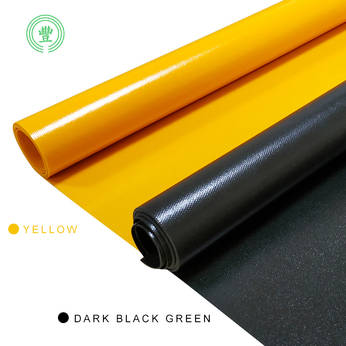
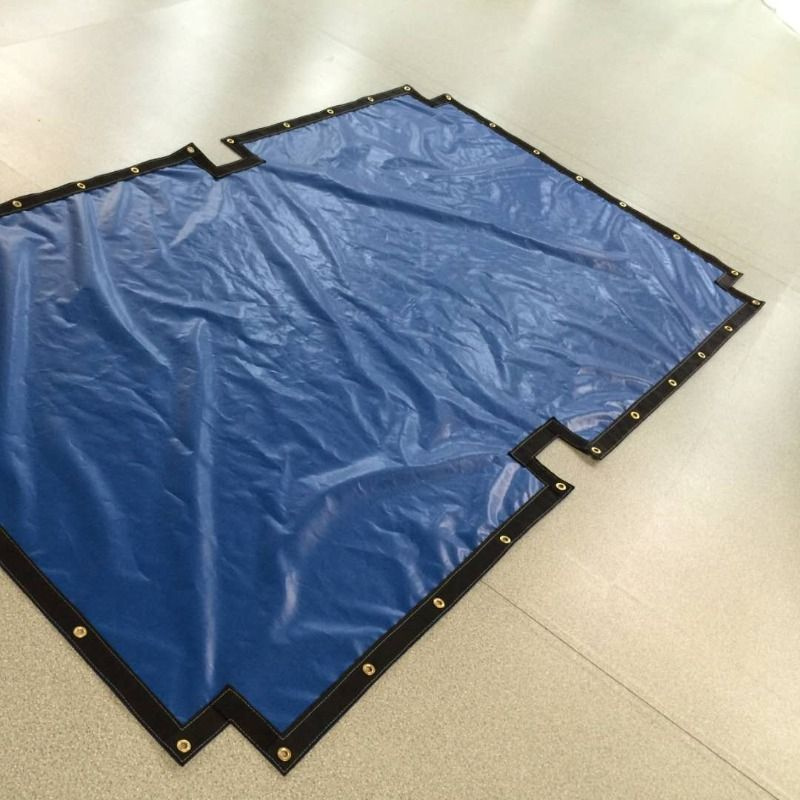
PVC canvas — also commonly called PVC tarpaulin or PVC coated fabric — is a high-strength polyester woven base fabric with a polyvinyl chloride (PVC) coating applied to both surfaces. The polyester yarn grid provides tensile strength and tear resistance, while the PVC coating delivers waterproofing, chemical resistance, UV protection, and durability that uncoated canvas cannot achieve. The result is a composite material that is 100% waterproof, flexible, and resistant to weather, chemicals, heat, oil, and UV radiation — making it the dominant material for industrial, agricultural, and outdoor protective covering applications worldwide.
PVC canvas is produced across a wide weight range — typically 300 gsm to 1,500 gsm (grams per square meter) — with the weight selection determining the material's strength, thickness, and suitability for different load and exposure conditions.
How PVC Canvas Is Constructed
Understanding PVC canvas requires understanding its two-component structure — the substrate and the coating — and how they work together:
The Polyester Scrim (Base Fabric)
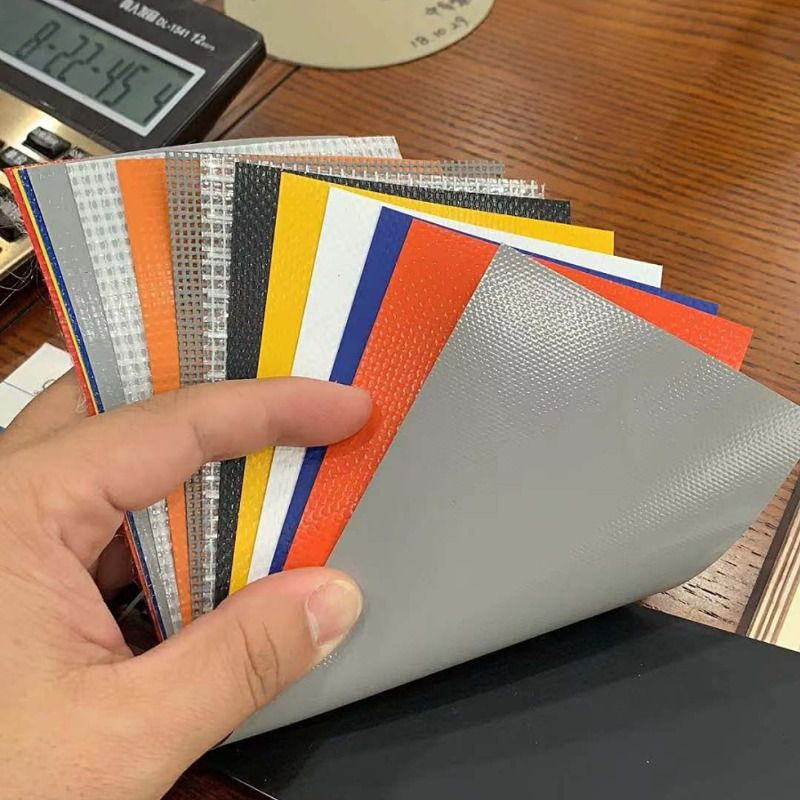
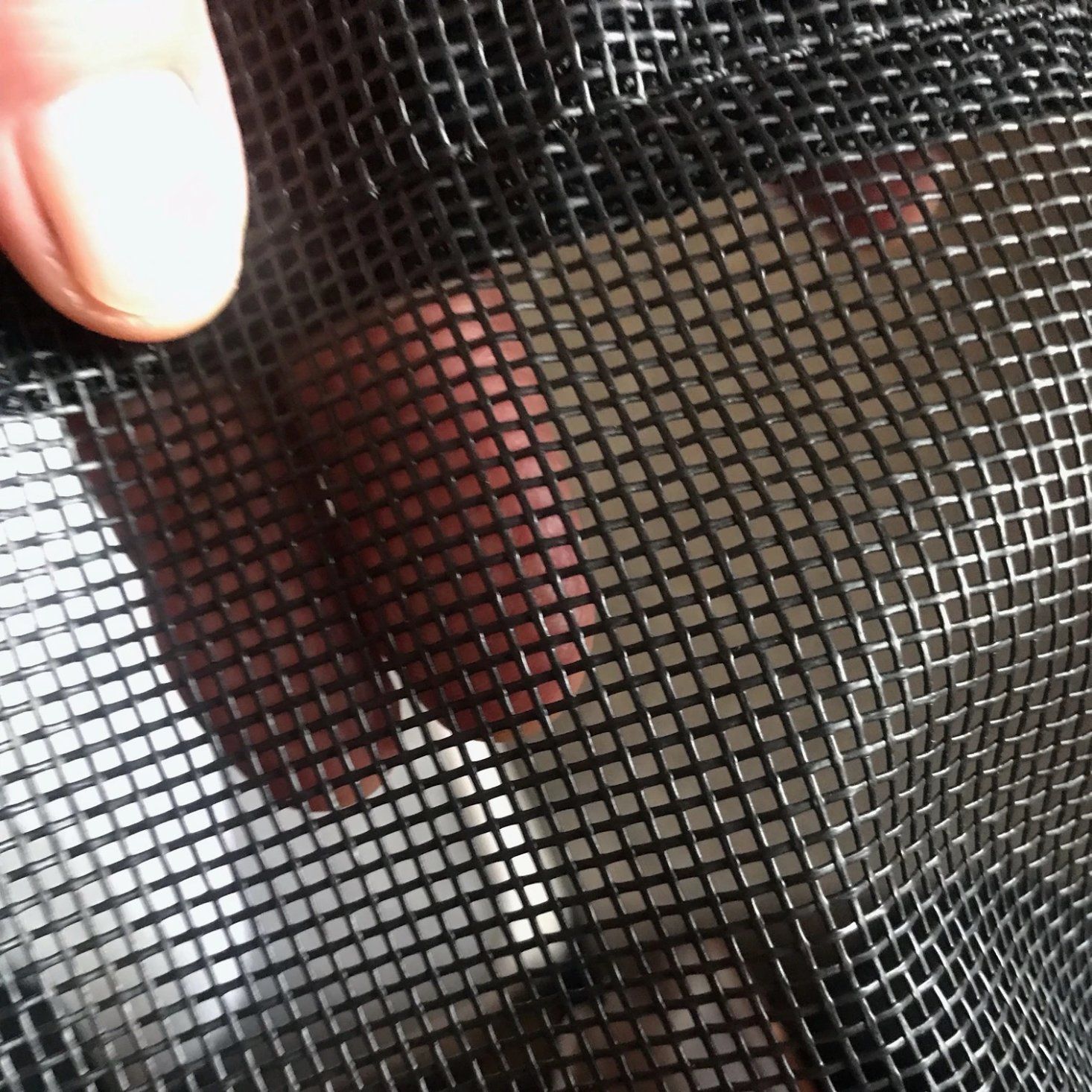
The structural core of PVC canvas is a woven or knitted polyester yarn grid — called the scrim or base fabric. The thread count, yarn denier, and weave pattern of this scrim determine the fabric's tensile breaking strength, tear resistance, and dimensional stability. Tightly woven scrims with high yarn denier produce stronger fabrics with better tear resistance; open weave patterns allow more PVC to penetrate into the grid, improving the bond between substrate and coating. The scrim is what prevents PVC canvas from stretching excessively under load and from tearing catastrophically when punctured.
The PVC Coating
Liquid PVC compound is applied to both sides of the polyester scrim — either by calendering (pressing between heated rollers), knife-over-roll coating, or spread coating — and then cured to form a solid, flexible film. The PVC formulation contains plasticizers (to maintain flexibility), stabilizers (to resist UV degradation and heat), pigments (for color), and various additives for specific performance properties such as flame retardancy, anti-fungal resistance, or anti-static behavior. The coating thickness and formulation determine how much of the material's total weight is PVC versus polyester.
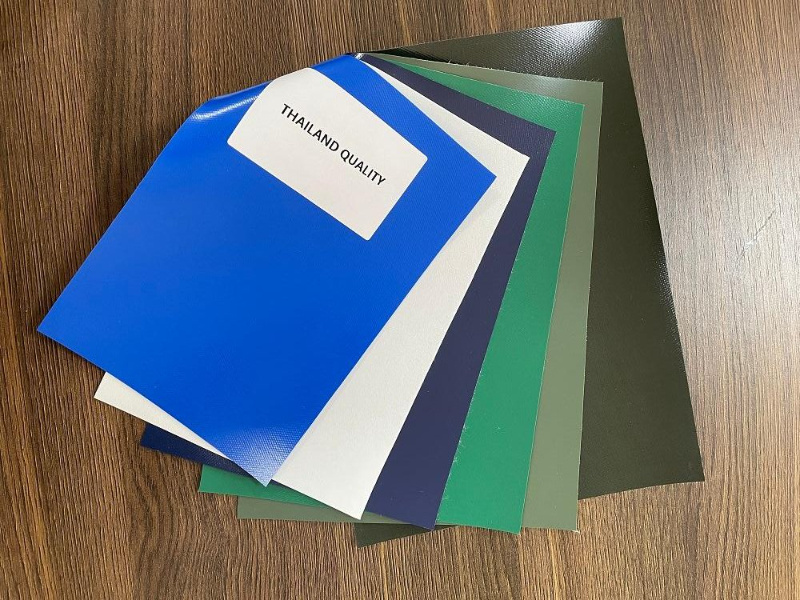
Key Performance Properties of PVC Canvas
- 100% waterproof: The continuous PVC film on both surfaces creates a complete moisture barrier — water cannot penetrate the fabric under normal rain and splash conditions. PVC canvas maintains its waterproof performance across thousands of wet-dry cycles without the hydrophobic treatment degradation seen in coated natural fabrics.
- UV resistance: UV stabilizer additives in the PVC compound absorb and dissipate solar radiation that would otherwise cause plasticizer migration, embrittlement, and color fading. Quality PVC canvas retains its mechanical properties and color for 5 to 10 years of continuous outdoor exposure, depending on UV stabilizer loading and climate.
- Chemical resistance: PVC is inherently resistant to most acids, alkalis, oils, fuels, salt solutions, and agricultural chemicals — making PVC canvas suitable for covering chemically active materials and for use in corrosive outdoor environments including coastal locations.
- Temperature flexibility: Standard PVC canvas remains flexible and functional across a temperature range of approximately -20°C to +70°C. Specialized low-temperature grades extend the lower limit; high-temperature stabilized grades extend the upper limit for applications near heat sources.
- Dirt and mold resistance: The smooth, non-porous PVC surface does not allow dirt, dust, or mold spores to embed into the material — surface contamination washes off easily with water, and the material does not support mold or mildew growth under most conditions.
- Weldability and sealability: PVC canvas sections can be bonded together by hot-air welding, high-frequency (RF) welding, or solvent bonding — producing seams that are as waterproof as the base material and strong enough to withstand the loads applied in tarpaulin, tent, and inflatable structure applications.
PVC Canvas Weight Grades and Their Applications
| Weight Range | Thickness (approx.) | Typical Applications | Key Characteristics | Weight Range |
|---|---|---|---|---|
| 300 - 500 gsm | 0.3 - 0.5 mm | Lightweight tarpaulins, banners, temporary shelters | Flexible, lightweight, economical; moderate | 300 - 501 gsm |
| 500 - 800 gsm | 0.5 - 0.8 mm | Truck side curtains, awnings, agricultural covers | Good balance of strength and flexibility; standard grade | 500 - 801 gsm |
| 800 - 1,100 gsm | 0.8 - 1.1 mm | Heavy truck covers, large tents, swimming pool liners | High tensile and tear strength; extended service | 800 - 1,101 gsm |
| 1,100 - 1,500 gsm | 1.1 - 1.5 mm | Industrial containment, fish tanks, inflatable structures | Maximum strength and durability; suitable for | 1,100 - 1,501 gsm |
Major Applications of PVC Canvas
Transport and Logistics
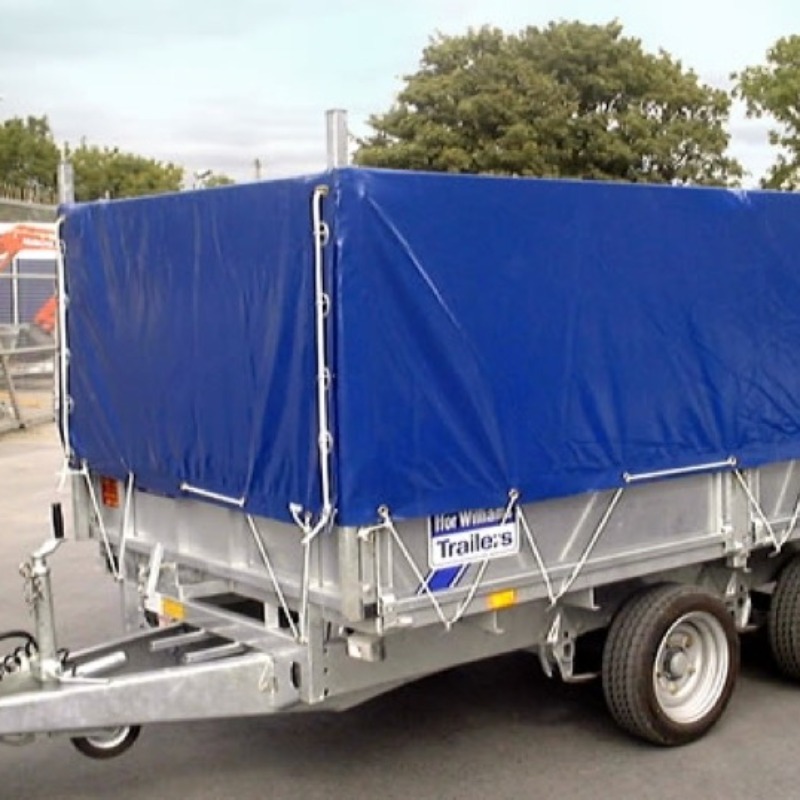
Truck side curtains and rear covers represent one of the largest volume applications for PVC canvas. The material must withstand constant flexing at highway speeds, exposure to rain, road salt, and UV radiation across a service life of several years, while remaining light enough not to significantly add to the vehicle's payload weight. Truck curtain grade PVC canvas typically runs 650 to 900 gsm with reinforced RF-welded seams at all stress points.
Agriculture
Agricultural applications include hay and silage covers, grain storage tarpaulins, irrigation pond liners, and temporary crop protection shelters. In these contexts, resistance to fertilizer and pesticide chemicals, UV stability over multi-season use, and ease of cleaning are the dominant material requirements. Agricultural PVC canvas is frequently produced in green or dark colors that minimize heat gain under the cover.
Tents and Temporary Structures
Event marquees, military tents, construction site shelters, and emergency relief shelters rely on PVC canvas for its combination of weatherproofing, structural stability under wind load, and flame retardancy (when formulated with FR additives). The ability to weld PVC canvas into seamless, leak-free panel assemblies of virtually any size and shape makes it the standard material for large tensioned fabric structures.
Water Containment
Fish farming tanks, swimming pool liners, water storage bladders, and decorative garden ponds use heavy-grade PVC canvas for its proven long-term waterproofing, flexibility for complex shapes, resistance to algae and biological growth, and non-toxicity to aquatic life (when formulated with food-safe plasticizers). Pool and fish tank grade materials are typically 1,000 to 1,500 gsm with welded seams tested to a high hydrostatic pressure.
Awnings and Shade Structures
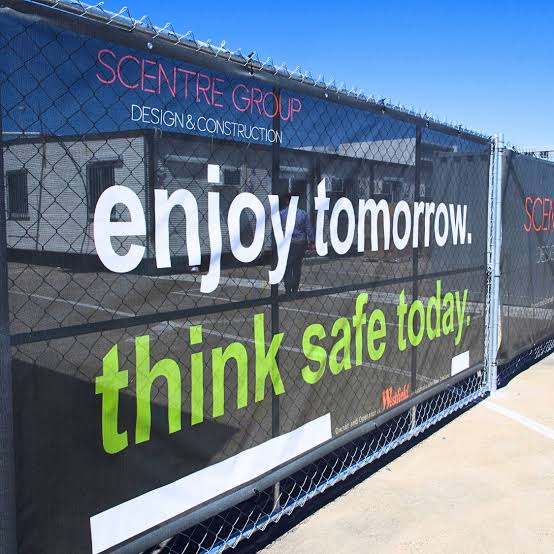
Retractable awnings, fixed shade sails, and permanent canopies over commercial outdoor spaces use medium-weight PVC canvas for its color range, printability (for advertising or branding), UV protection, and resistance to the repeated wet-dry cycles that cause fabric awning materials to deteriorate. The smooth surface facilitates rapid water runoff without ponding that causes fabric failure in heavy rainfall.
PVC Canvas vs. Other Coated Fabrics
| Property | PVC Canvas | PE Coated Fabric | PU Coated Fabric |
|---|---|---|---|
| Waterproofing | Excellent (100%) | Good | Excellent |
| UV resistance | Very good (with stabilizers) | Moderate | Good |
| Chemical resistance | Excellent | Moderate | Good |
| Weldability | Excellent (RF and hot-air) | Limited | Good (hot-air) |
| Weight range available | 300 - 1,500+ gsm | Typically under 500 gsm | 100 - 600 gsm |
| Environmental profile | Recyclable; plasticizer migration concern | Recyclable; lower chemical additives | No plasticizers; more eco-friendly |
How to Choose the Right PVC Canvas for Your Application
- Determine the required weight and strength: Light covers for temporary protection need only 300–500 gsm; permanent structural applications or water containment require 1,000 gsm and above. Match the weight to the expected load, wind pressure, and service duration.
- Check UV and temperature specifications: For applications in high-UV climates or near heat sources, verify that the PVC formulation includes adequate UV stabilizer loading and the appropriate temperature rating.
- Specify flame retardancy if required: Applications in public spaces, events, and construction sites in many jurisdictions require FR-rated (flame retardant) materials. Confirm that the canvas meets the relevant standard — DIN 4102-B1, BS 7837, NFPA 701, or equivalent — before purchase.
- Confirm chemical compatibility: If the canvas will contact specific chemicals — agricultural pesticides, petroleum products, food acids — verify chemical resistance with the supplier before specifying, as not all PVC formulations perform equally against all chemical classes.
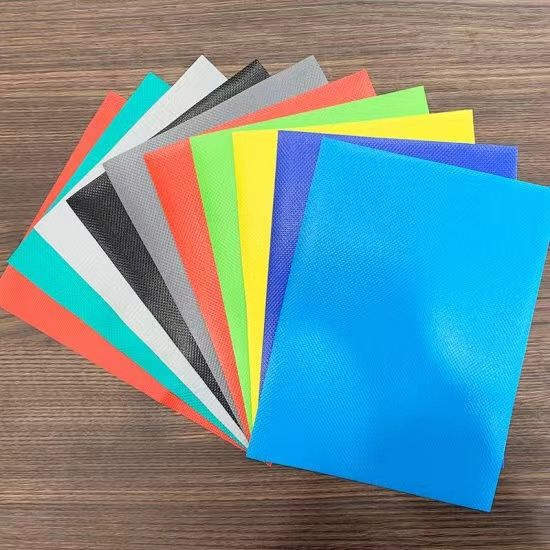
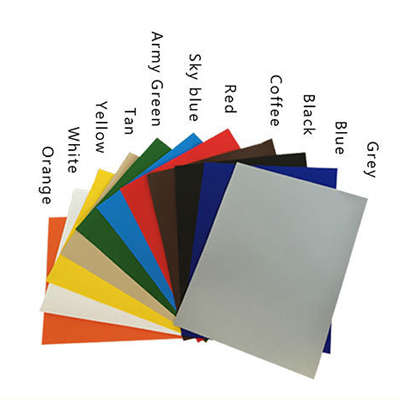
- Select the appropriate color: Dark colors absorb more solar heat and may cause higher temperatures under the cover — important for agricultural and food storage applications. Light or white colors reflect more solar radiation, reducing heat gain. Color also affects UV aging rate — lighter colors typically retain appearance longer than deep pigmented ones.