
Call Us
+86-18962820095

 Español
Content
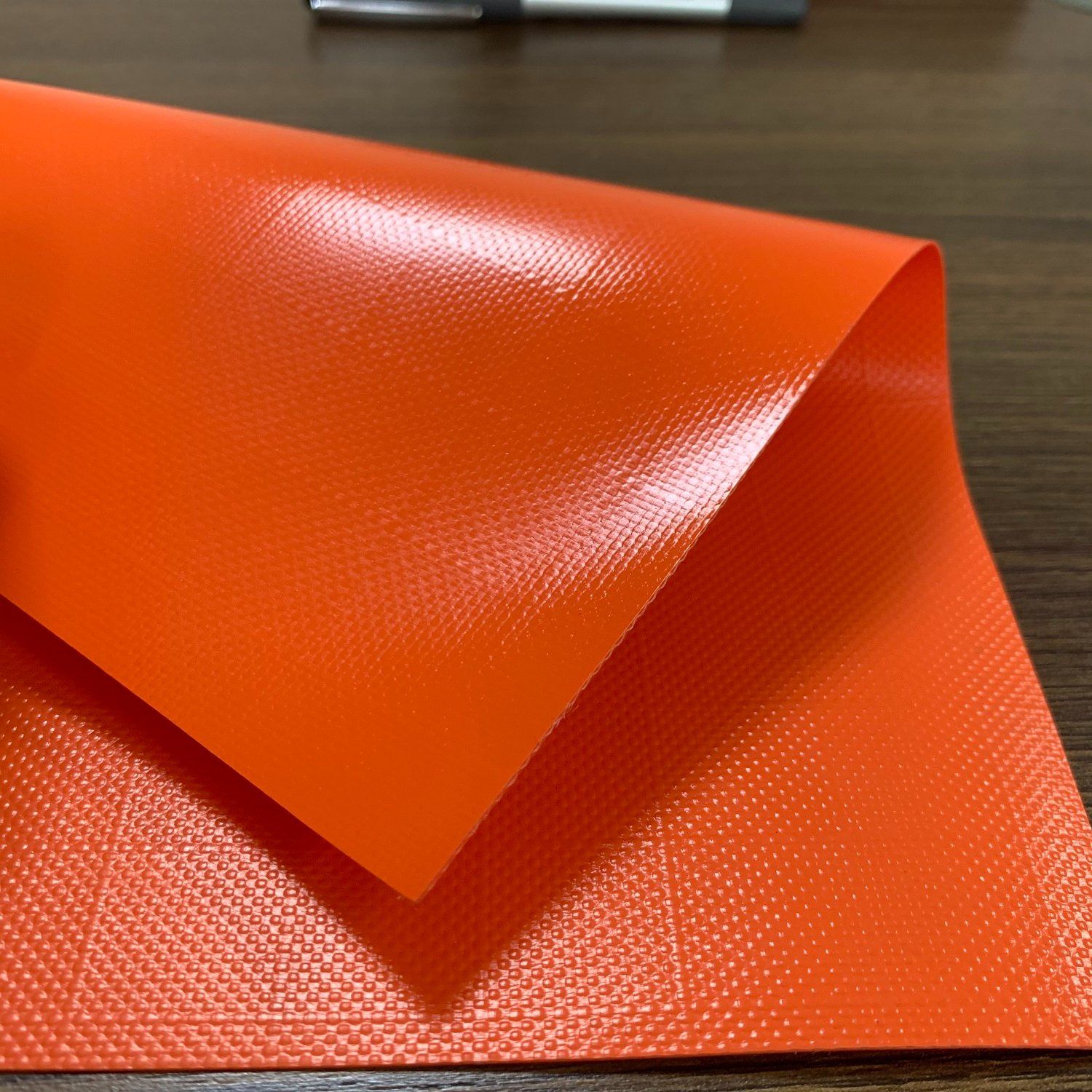
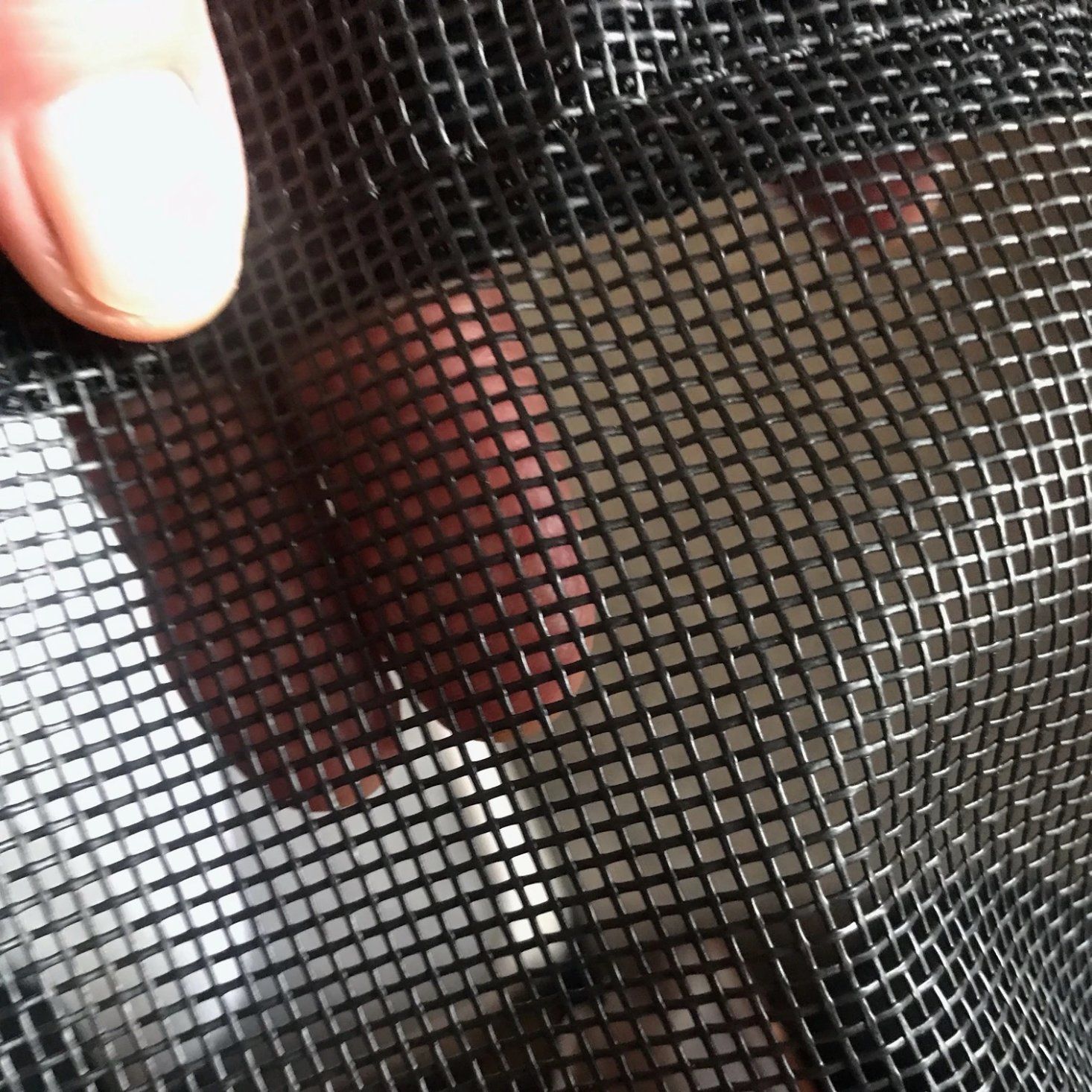
PVC mesh fabric is a durable, flexible open-weave material made by coating polyester yarn with polyvinyl chloride (PVC). The global PVC-coated fabric market is valued at approximately USD 2.03 billion in 2024 and projected to reach USD 2.82 billion by 2035, reflecting widespread industrial and commercial use .This fabric combines the strength of polyester with the waterproof, UV-resistant properties of PVC coating.
Composition and Manufacturing Process
Core Material Structure
Most woven PVC mesh fabric begins with polyester yarn as the core substrate, which is then extruded with PVC—also known as vinyl. Each yarn is individually extruded and bonded to the polyester core yarn, creating a composite material that leverages the tensile strength of polyester and the protective qualities of PVC .The PVC coating forms a complete barrier that prevents moisture from reaching the polyester fiber, making the fabric extremely durable and resistant to wear from freezing and thawing cycles in cold weather.
Manufacturing Techniques
Construction safety netting demonstrates typical production methods: high-strength polyester yarns are formed into warp-knitted meshes, then impregnated with PVC paste resin. The material undergoes high-temperature heating and high-pressure processing before cooling into finished mesh fabric .This manufacturing approach ensures consistent coating thickness and uniform mesh openings throughout the material.
Key Properties and Performance Characteristics
Strength and Dimensional Stability
The strength and dimensional stability of PVC-coated polyester mesh fabric depends on several technical factors: the original thickness of the polyester yarn (measured in denier), the strength (technically referred to as "tenacity") of the yarns, and the density of the weave (yarns per inch). Thicker yarn and higher yarn density per inch produce stronger final fabric .Typical construction-grade mesh specifications include 1000D×1000D, 12×12 weave at 250-260g/m² for heavy-duty applications, or 250D×250D, 24×24 weave at 130g/m² for lighter uses.
Environmental Resistance
PVC mesh fabric exhibits exceptional weather resistance. The material is inherently waterproof, UV-resistant, and tear-resistant, making it suitable for prolonged outdoor exposure .It resists mold growth, prevents cracking and fading even after extended use, and maintains flexibility across temperature ranges. The PVC coating provides chemical resistance that protects against industrial pollutants and environmental degradation.
Safety Certifications
Quality PVC mesh fabric for construction and commercial applications typically achieves B1 flame retardant classification according to DIN 4102 standards .Products often carry SGS certification and demonstrate good flame retardant performance, high temperature resistance, antistatic properties, and tear resistance .
Major Application Sectors
Construction and Safety Barriers
Construction safety netting represents a primary application for PVC mesh fabric. These nets protect workers on elevated construction sites, prevent debris from falling to ground level, and maintain clean work areas .The fabric's high strength, durability, and light weight make it ideal for scaffolding enclosures, building perimeter safety netting, and baseball field backstops. Wind-permeable properties allow air flow while containing debris and providing fall protection.
Transportation and Truck Covers
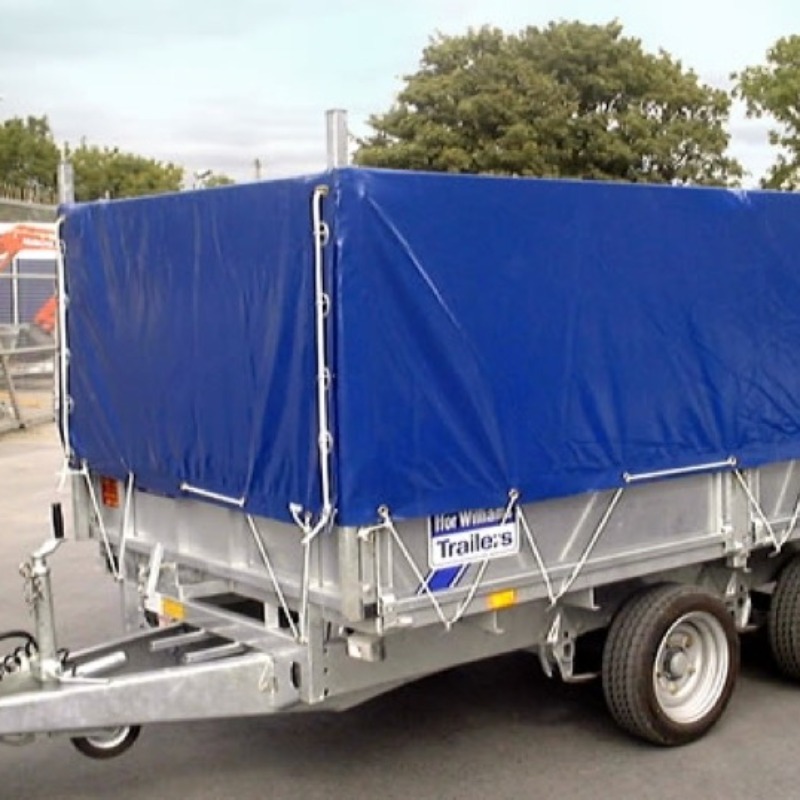
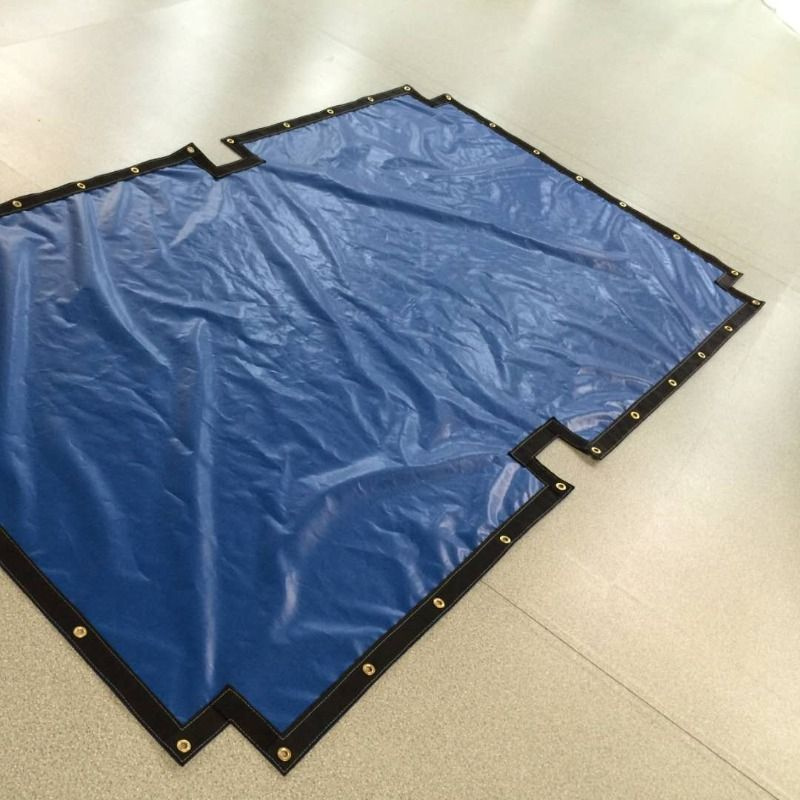
In logistics and transportation, PVC mesh fabric serves as the material of choice for truck covers and curtains. The fabric provides waterproof protection for cargo while allowing some air circulation to prevent moisture buildup. Reinforced edges and rust-proof grommets ensure secure fastening at highway speeds, while the material's chemical resistance makes it suitable for transporting industrial materials without degradation.
Outdoor Advertising and Banners
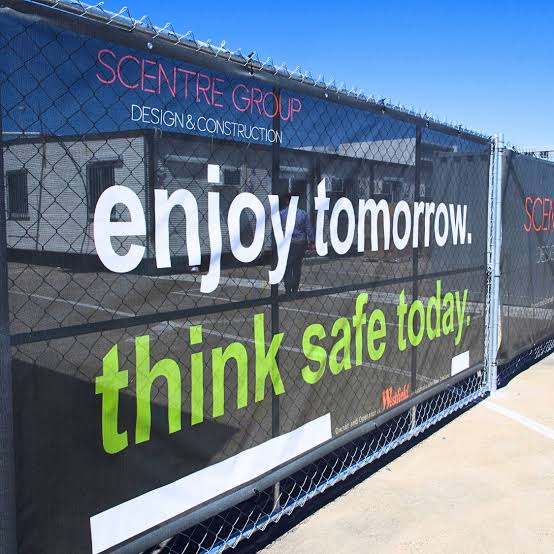
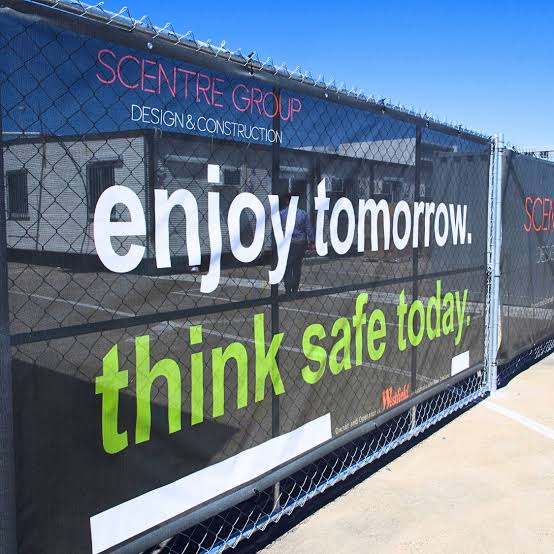
Printed mesh banners utilize PVC-coated polyester for large-format outdoor advertising. The open mesh structure provides approximately 20% wind permeability (for 300g/m² material) or higher (for 260g/m² lightweight versions), preventing banners from acting as sails in windy conditions .The thin PVC layer enables high-quality digital printing while maintaining weather resistance and B1 flame retardant certification required for trade shows and events.
The following table summarizes key applications and specifications:
| Application | Typical Weight | Key Properties |
|---|---|---|
| Construction safety netting | 250-260 g/m² | High strength, flame retardant |
| Truck tarps and covers | 300+ g/m² | Waterproof, tear resistant |
| Outdoor advertising banners | 260-300 g/m² | Wind permeable, printable |
| Patio sling chairs | 200-250 g/m² | UV resistant, flexible |
| Tote bags and consumer goods | 160-200 g/m² | Lightweight, durable |
Furniture and Consumer Applications
Outdoor Furniture
PVC mesh fabric is extensively used for patio sling chairs and outdoor furniture. The material's flexibility, combined with its resistance to moisture, UV radiation, and temperature fluctuations, makes it ideal for outdoor seating that maintains comfort and appearance over time. Available in different weights and strengths, it adapts to various furniture designs from casual patio seating to commercial outdoor installations .
Tote Bags and Accessories
The fabric's durability and aesthetic versatility extend to consumer products including tote bags, beach bags, and accessories. The open weave provides breathability while the PVC coating ensures water resistance and easy cleaning—practical benefits for everyday use items.
Market Trends and Regional Distribution
Global Market Dynamics
The PVC-coated woven fabrics market is anticipated to grow from USD 9.46 billion in 2023 to USD 13.85 billion by 2033, representing a 4.0% CAGR .North America holds approximately 40% of the global market share, driven by automotive, construction, and outdoor applications .Europe accounts for around 30% of global share, with strong emphasis on sustainable materials and innovative applications .
Polyester Segment Dominance
Polyester remains the dominant substrate material in the PVC-coated fabric market, accounting for approximately 45.43% market share in 2024 with a projected 7.24% CAGR through 2030 .Polyester mesh fabrics are gaining significant traction due to their versatile properties including breathability, moisture-wicking capabilities, and compatibility with various functional additives such as UV protection, flame retardancy, and chemical resistance .
Advantages Over Alternative Materials
PVC mesh fabric offers distinct advantages compared to polyethylene or basic canvas alternatives. Unlike polyethylene tarps, PVC-coated mesh retains shape and strength across fluctuating temperatures without becoming brittle in cold weather .The material resists mold growth and maintains structural integrity under prolonged UV exposure, outperforming untreated natural fibers. While basic canvas provides breathability, it lacks the waterproof protection and chemical resistance that PVC coating delivers.
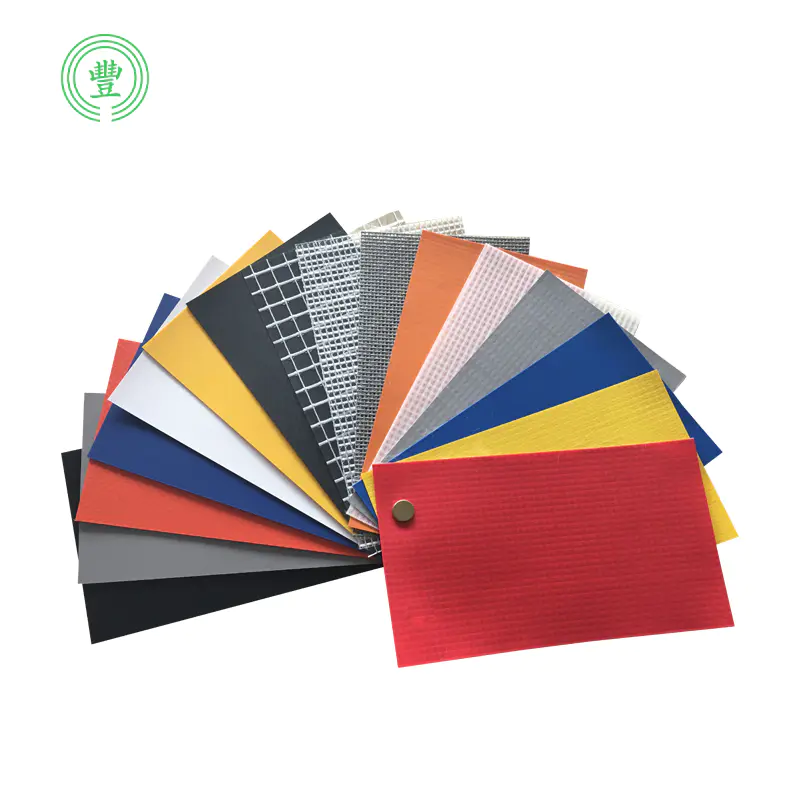
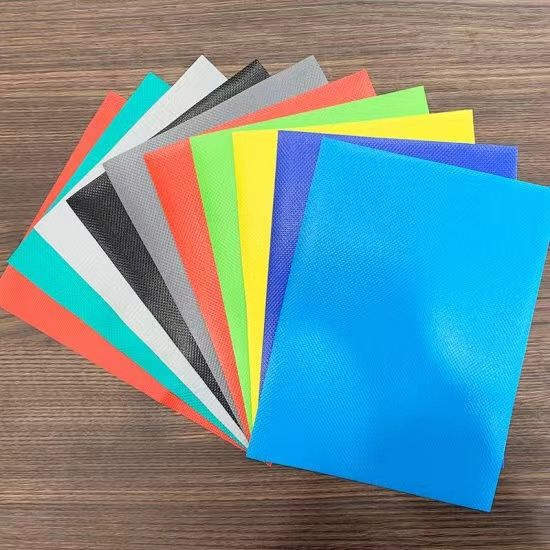
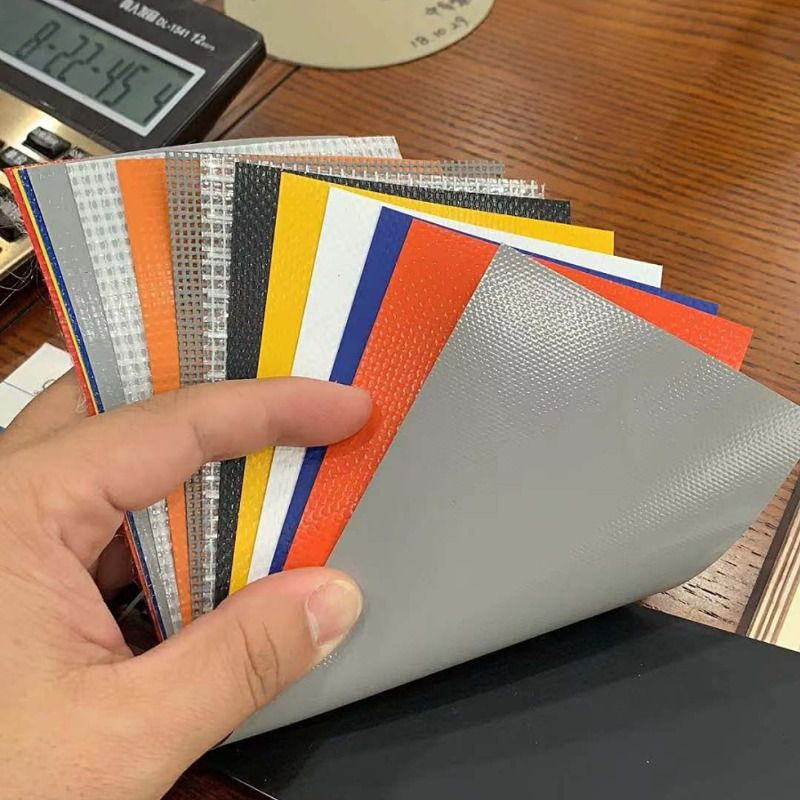
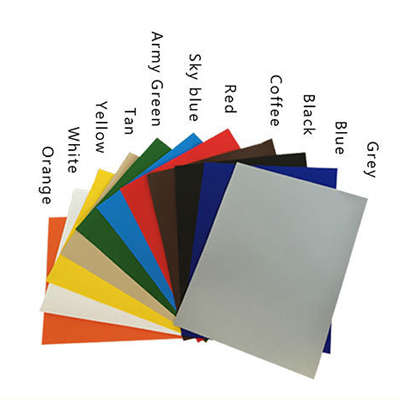
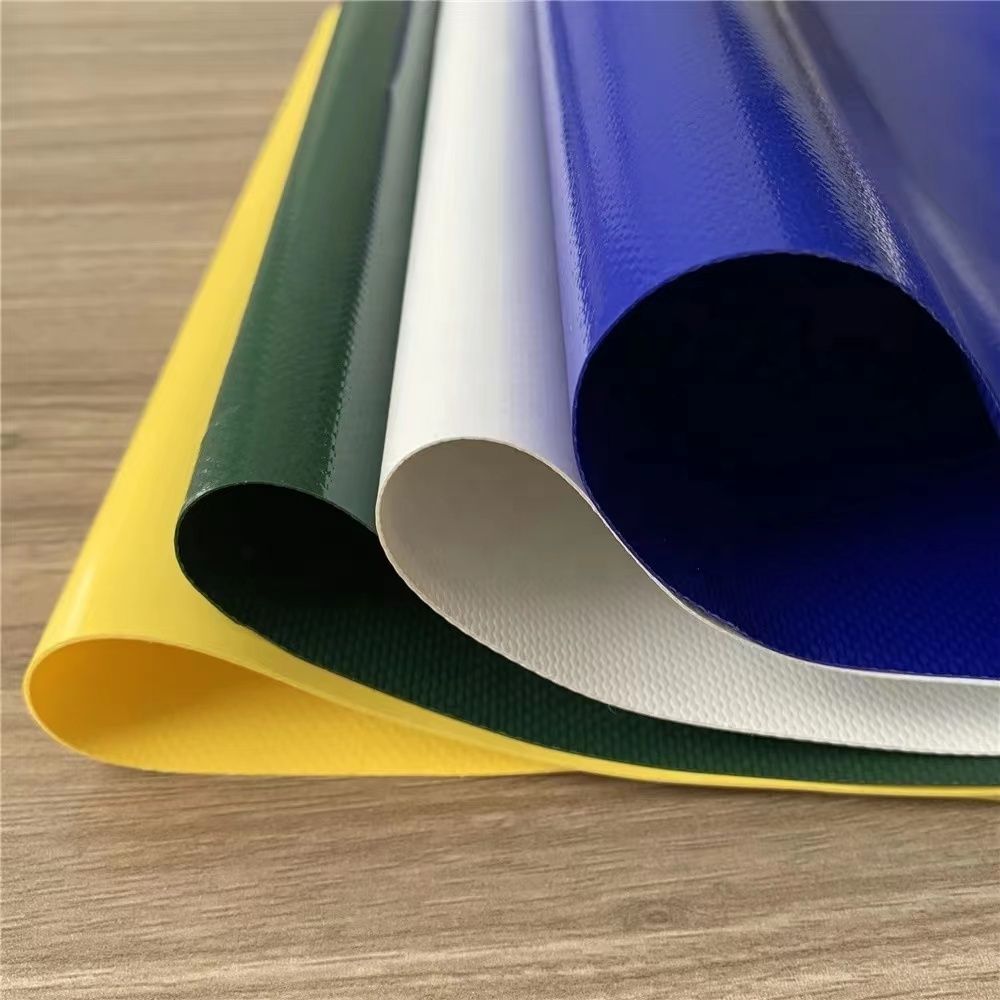
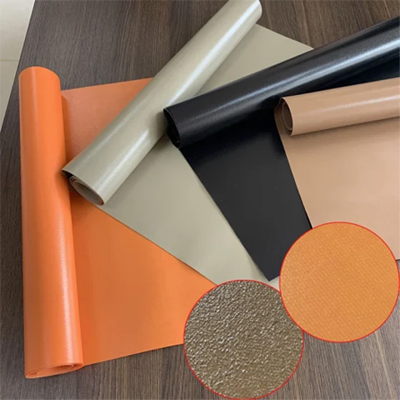
For industrial and commercial applications requiring durability, weather resistance, and safety compliance, PVC mesh fabric provides a cost-effective solution that balances performance with longevity. The material's availability in various weights, weave densities, and colors enables customization for specific application requirements across construction, transportation, advertising, and consumer goods sectors.