
Call Us
+86-18962820095

 Español
Content
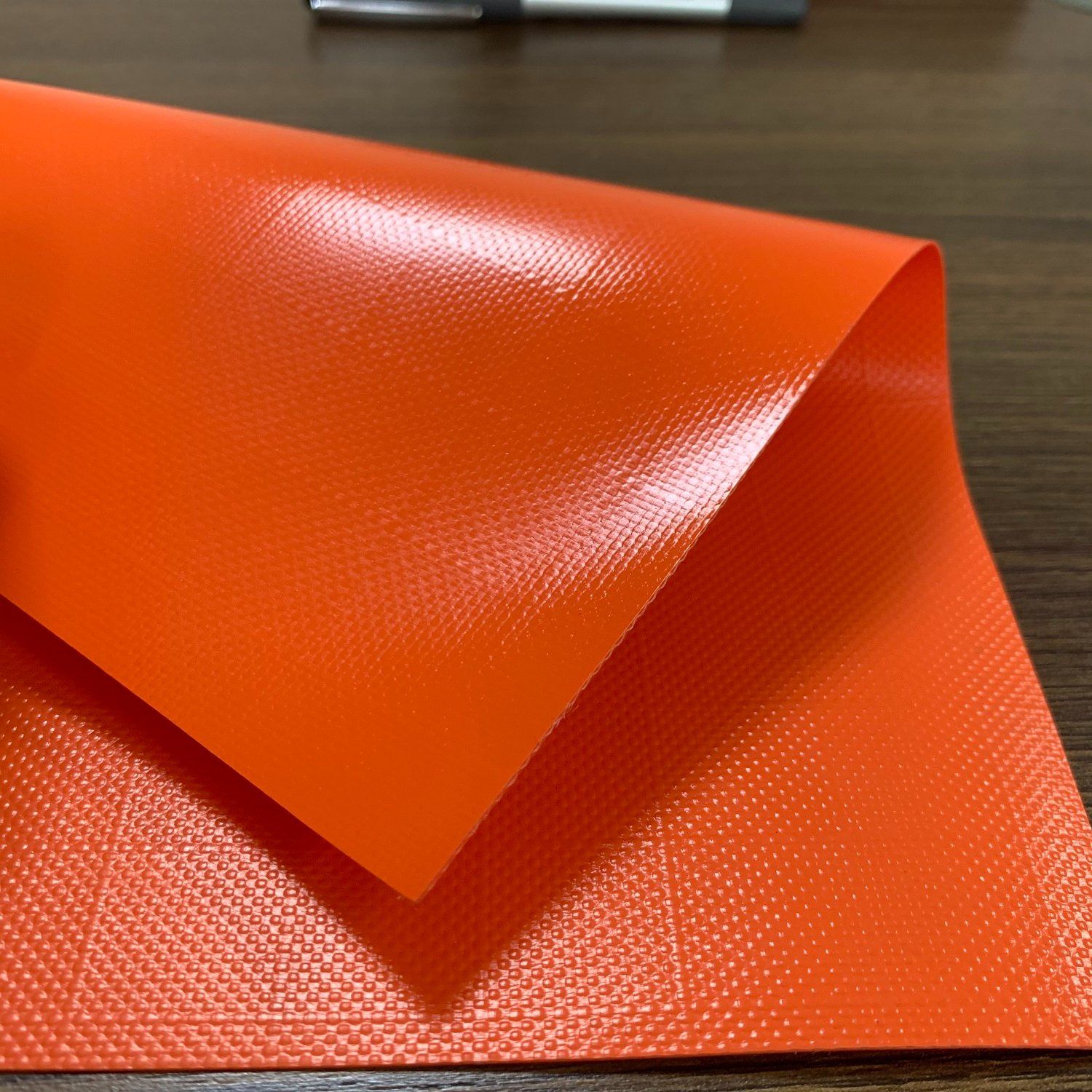
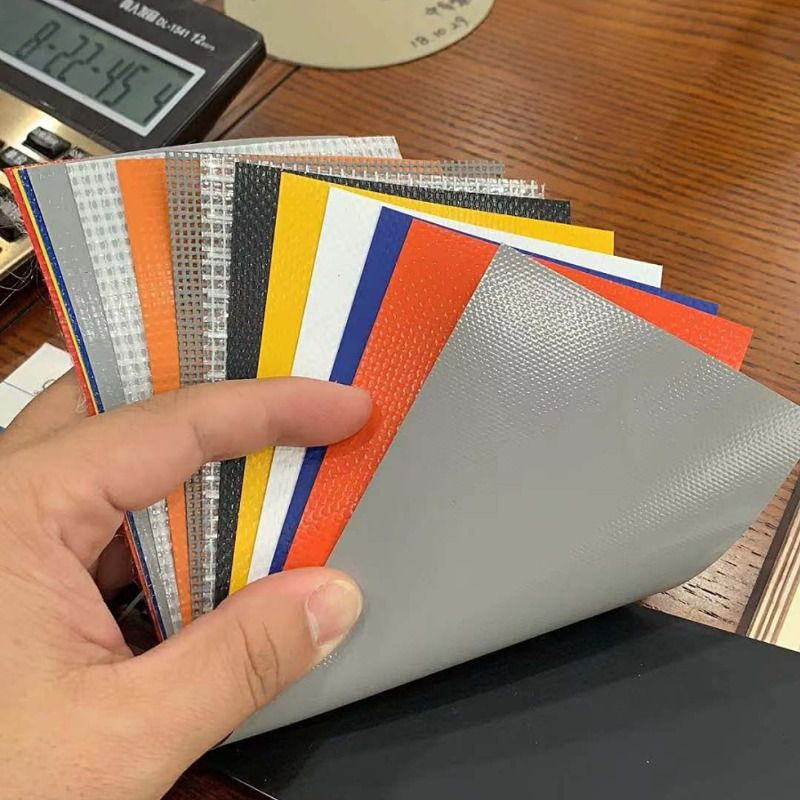
Flame resistant PVC tarpaulin is a coated technical fabric — consisting of a woven polyester or fiberglass base fabric laminated with polyvinyl chloride (PVC) on both sides — that has been formulated or treated with chemical flame retardants to significantly reduce its flammability. When exposed to an ignition source, flame resistant PVC tarpaulin either resists igniting entirely or, if ignition occurs, burns much more slowly than untreated PVC fabric and self-extinguishes when the ignition source is removed, dramatically reducing the risk of fire spreading to adjacent materials or structures.
Standard PVC by itself contains chlorine in its polymer backbone, which provides some inherent flame resistance — but this alone is insufficient for applications subject to fire safety regulations. Flame resistant PVC tarpaulin incorporates additional halogenated or phosphorus-based flame retardant additives in the PVC compound that further suppress combustion by interrupting the chemical chain reaction of burning.
How Flame Retardancy Is Achieved in PVC Tarpaulin
The flame retardant function in PVC tarpaulin operates through two primary mechanisms:
- Gas phase inhibition: Halogen-based flame retardants (typically antimony trioxide in combination with halogenated compounds) release radical scavengers into the flame zone when the fabric heats, interrupting the chain reaction of combustion and causing the flame to extinguish
- Char formation (condensed phase): Phosphorus-based additives promote the formation of a protective char layer on the fabric surface when heated, acting as a physical insulating barrier between the flame and unburned polymer beneath
The combination of these mechanisms means that flame resistant PVC tarpaulin does not simply delay burning — it actively works against ignition and suppresses flame propagation even after the ignition source is applied for extended periods.
Key Fire Safety Standards and Certifications
Flame resistant PVC tarpaulin must be tested and certified against recognized fire safety standards to qualify for use in regulated applications. The most important standards are:
- EN 13501-1 (Europe): The European reaction-to-fire classification for construction products; flame resistant PVC tarpaulin typically achieves Class B-s2-d0 to B-s1-d0 — indicating very limited fire contribution and low smoke production
- DIN 4102-1 (Germany): Classifies materials as B1 (flame-retardant), B2 (normal flammability), or B3 (highly flammable); flame resistant PVC tarpaulin meets the B1 classification required for temporary structures, exhibition stands, and event tents
- NFPA 701 (USA): Standard Methods of Fire Tests for Flame Propagation of Textiles and Films; flame resistant PVC tarpaulin must pass the large-scale vertical flame test with a maximum char length and no flaming drip
- BS 5438 / BS 7837 (UK): British Standard flame tests for textile fabrics used in tents, awnings, and similar structures
- IMO Resolution A.652(16) (Maritime): Required for PVC tarpaulin used as hatch covers, cargo covers, and temporary enclosures on ships operating under SOLAS regulations
Typical Technical Specifications
| Property | Typical Value | Test Standard |
|---|---|---|
| Weight | 500–1,000 g/m² | ISO 2286-2 |
| Tensile strength (warp/weft) | ≥ 2,500 / 2,200 N / 5 cm | ISO 1421 |
| Tear strength | ≥ 300 / 280 N | ISO 4674-1 |
| Flame classification | B1 (DIN 4102) / Class B (EN 13501) | DIN 4102 / EN 13501-1 |
| Temperature resistance | –30°C to +70°C | Functional range |
| UV resistance | Xenon arc test 1,000+ hours | ISO 4892-2 |
Key Applications Where Flame Resistance Is Required
- Event and exhibition tents: Temporary structures used for concerts, trade shows, and public events are required by fire safety authorities in most jurisdictions to use flame-retardant fabrics; a single ignition in a crowded tent can become catastrophic without FR material
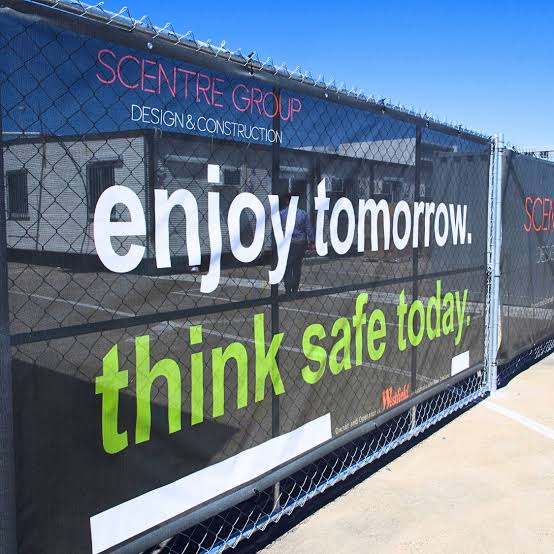
- Construction site enclosures: Scaffolding wraps, weather protection covers, and debris containment netting on construction sites where hot work (welding, grinding) creates ignition risk require flame resistant tarpaulin
- Industrial safety curtains and welding screens: FR PVC tarpaulin is used for welding curtains and spark barriers in manufacturing facilities to contain sparks and spatter
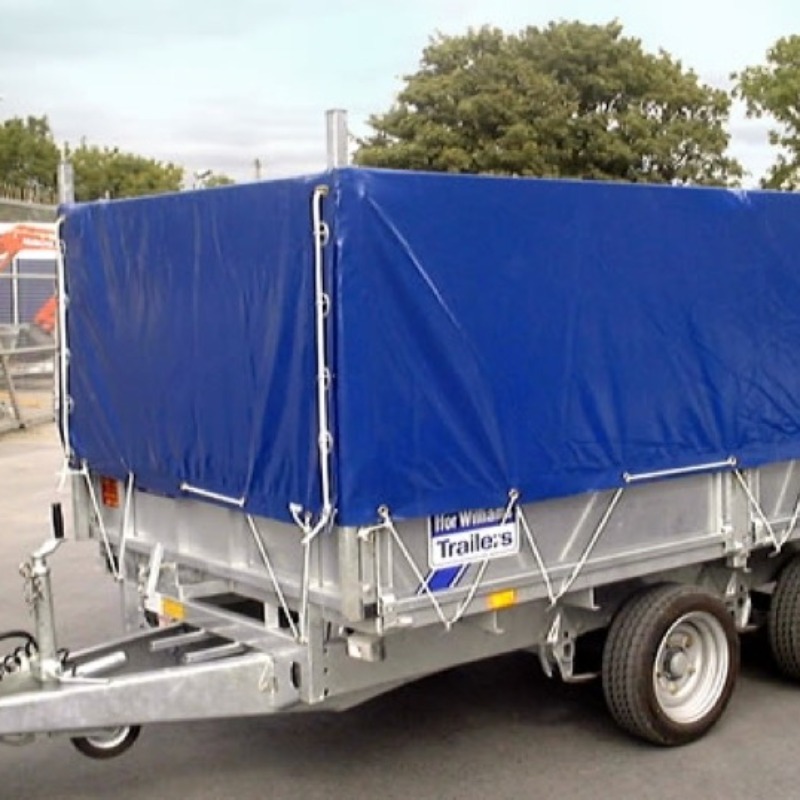
- Transportation covers for hazardous cargo: FR tarpaulins covering chemical, flammable liquid, or explosive cargo provide an additional fire safety barrier during road, rail, and port transit
- Marine hatch and cargo covers: IMO regulations require flame retardant materials for shipboard tarpaulins; FR PVC meets SOLAS requirements for cargo protection and fire containment
- Military and emergency shelters: Disaster response shelters, military field structures, and emergency medical facilities specify FR tarpaulin for occupant safety
Maintenance of Flame Resistant Properties
Flame retardant performance can degrade over the service life of a tarpaulin through UV exposure, mechanical wear, and repeated washing. Key maintenance considerations:
- Permanent vs. treated flame resistance: Flame retardants that are chemically incorporated into the PVC compound during manufacture (permanent) are more durable than those applied as a surface treatment after manufacture (treated); treated products may require re-treatment after a specified number of wash cycles
- Periodic re-testing: For regulatory compliance in permanent or long-term installations, tarpaulins should be re-tested for flame resistance at intervals specified by the relevant standard — typically every 2–5 years
- Damage inspection: Cuts, tears, or holes in the PVC coating expose the woven base fabric, which may not independently meet the flame resistance standard; damaged sections should be repaired or the tarpaulin replaced