
Call Us
+86-18962820095

 Español
Content
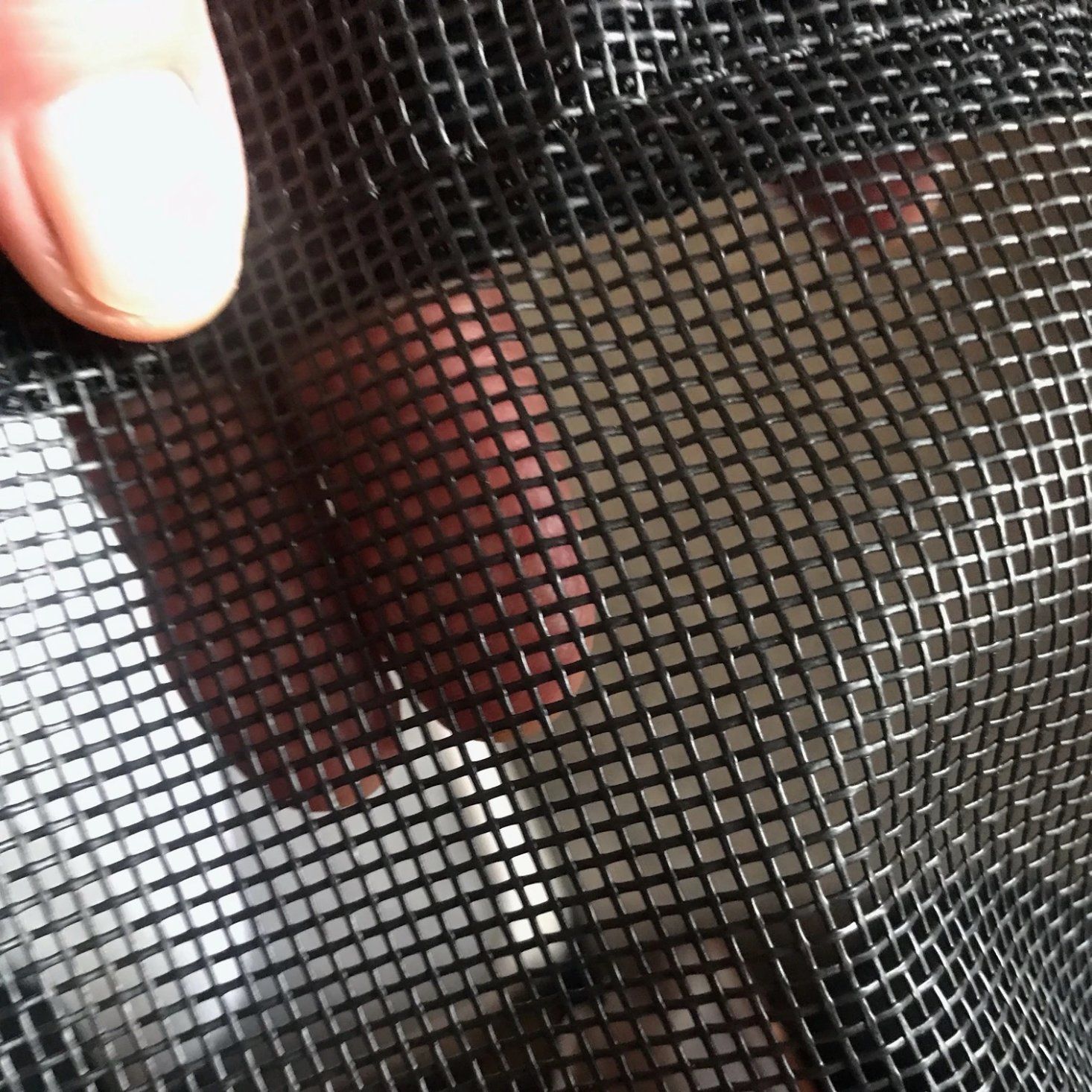
PVC mesh fabric is used across an exceptionally wide range of applications — from outdoor furniture and advertising banners to truck tarps, safety barriers, and industrial shade structures — because its combination of open weave, weatherproof PVC coating, and dimensionally stable polyester core delivers properties that neither plain fabric nor solid sheet materials can match. The open mesh structure allows air and light to pass through while the PVC coating makes the material waterproof, UV-resistant, and impervious to rot and fungal growth. This makes PVC mesh fabric one of the most versatile coated technical textiles in production today.
How PVC Mesh Fabric Is Made
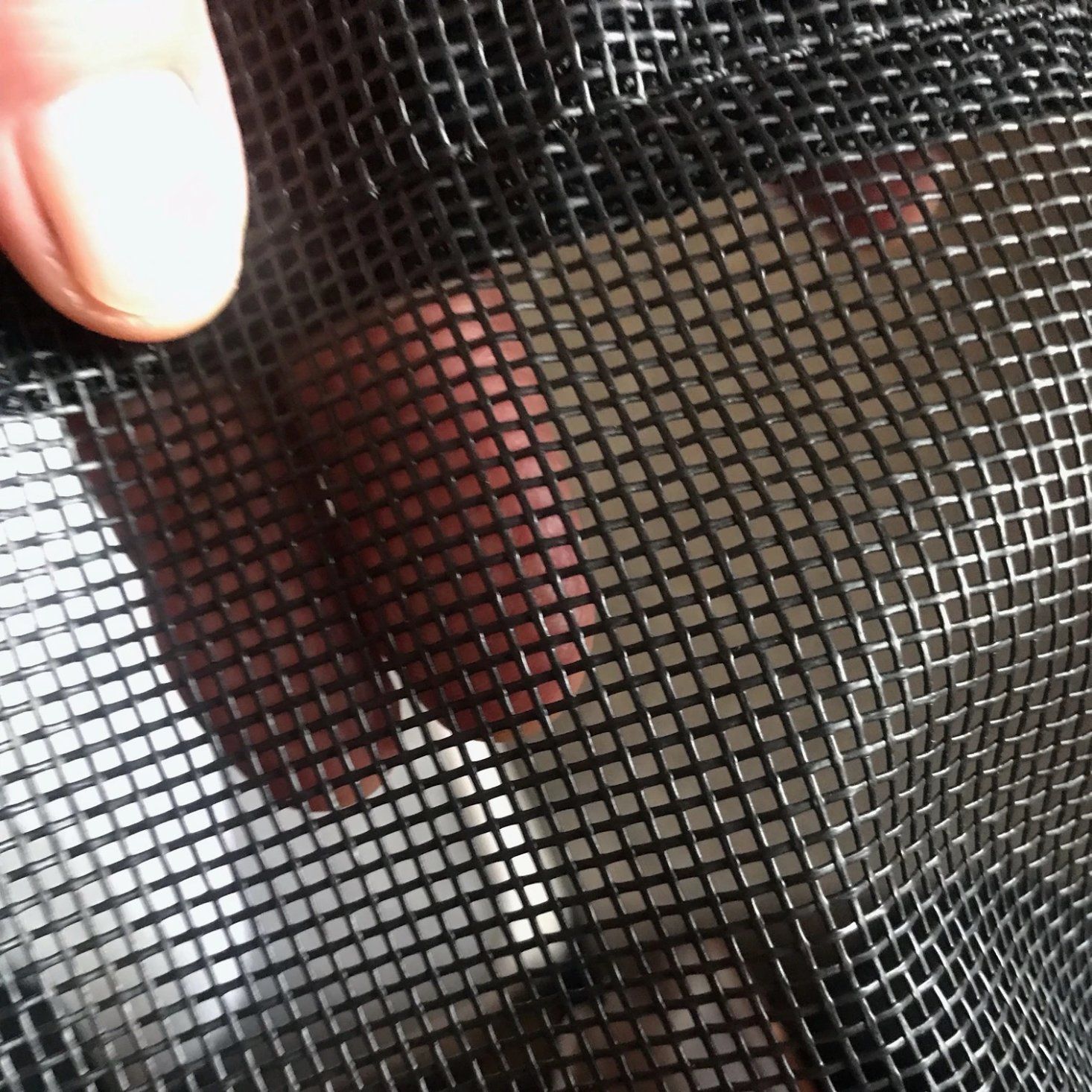
Understanding the construction explains why PVC mesh is so durable across such diverse applications. The manufacturing process begins with polyester yarn as the structural core of each filament. Each yarn is individually extruded with a PVC (polyvinyl chloride) coating that bonds tightly to the polyester fibers — the PVC penetrates the yarn structure and creates a permanent, chemically bonded sheath rather than a surface film that could peel or delaminate. The coated yarns are then woven into an open mesh structure on industrial looms.
The strength and dimensional stability of the finished fabric are determined by three manufacturing variables:
- Yarn denier (thickness): heavier denier polyester yarns produce stronger fabrics — a 1000 denier core yarn produces a significantly stronger mesh than a 500 denier yarn of the same weave density
- Yarn tenacity: the tensile strength of the polyester fiber itself determines how much force each yarn can withstand before breaking; high-tenacity polyester is specified for heavy-duty applications such as truck tarps and safety barriers
- Weave density (yarns per inch): more yarns per inch in both warp and weft directions increases tensile strength, tear resistance, and reduces mesh aperture size — higher densities are used for applications requiring both strength and finer mesh openings
Because the PVC coating prevents moisture from reaching the polyester core, the fabric resists degradation from repeated wet-dry cycles and freezing and thawing — a critical durability advantage over uncoated textiles used outdoors.
Outdoor Furniture and Patio Applications
PVC mesh fabric is the standard material for sling chair seats and backs — the stretched mesh panel that forms the seating surface of outdoor chairs, sun loungers, and patio furniture. Its advantages in this application are difficult to match:
- Breathability: the open mesh allows air circulation beneath the user, eliminating the heat and perspiration buildup that makes solid fabric or vinyl seat cushions uncomfortable in warm weather
- Resistance to UV fading: the PVC coating contains UV stabilizers that prevent color fade and coating degradation over years of sun exposure
- Ease of cleaning: smooth PVC surface wipes clean with water and mild detergent — no cushions to dry, no fabric to stain permanently
- Structural load support: the high tensile strength of the woven structure supports seated body weight across the full span between frame rails without sagging under load over time
Advertising Banners and Signage
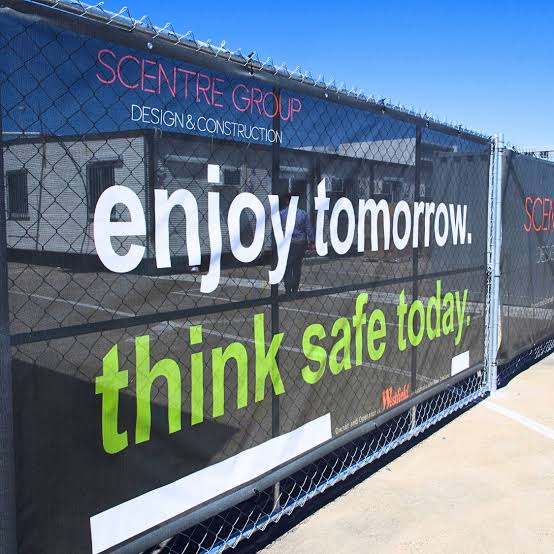
PVC mesh fabric is the preferred material for large-format outdoor advertising banners, building wrap signage, and event flags because the open mesh structure allows wind to pass through rather than acting as a solid sail. For banner installations on tall buildings, bridges, fences, and scaffolding — where wind loading would tear a solid PVC banner or pull its fixings — a mesh banner with 30–50% open area reduces wind resistance by the same proportion while maintaining the visual impact of the printed image.
Digital printing inks bond well to the PVC-coated surface, producing vivid, weather-resistant graphics. The dimensional stability of the polyester-PVC composite ensures the banner maintains its flat shape and printed dimensions through temperature cycling from below freezing to above 40°C.
Truck Tarps and Transport Covers
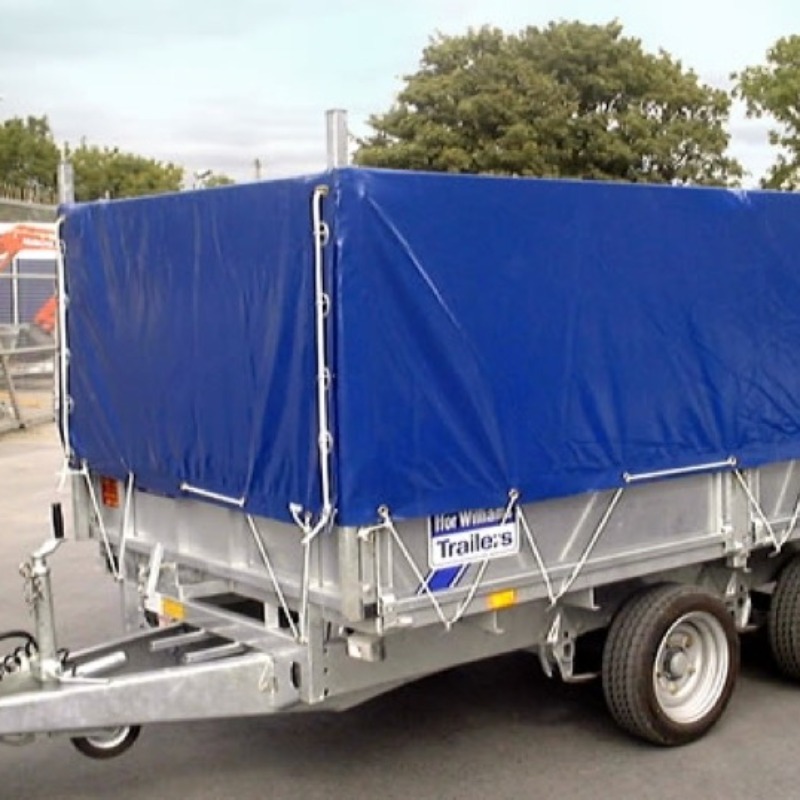
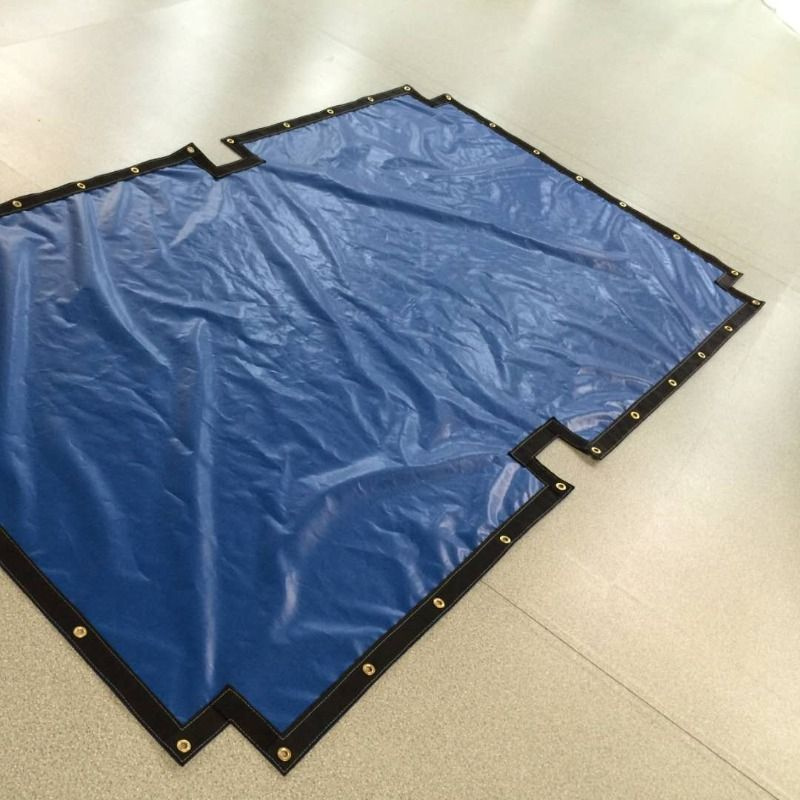
Truck side curtains, flatbed tarps, and container covers use heavy-duty PVC mesh fabric specified to withstand the mechanical stress of regular installation and removal, high-speed driving, and years of outdoor exposure. The material must simultaneously protect cargo from rain and debris penetration while managing wind loading on the vehicle — mesh constructions that allow controlled air flow reduce the aerodynamic drag and structural stress on side curtain supports compared to fully solid alternatives.
Heavy-duty truck tarp grades typically use high-tenacity polyester yarn cores at 1,000 denier or above, with woven densities producing tensile strengths exceeding 2,500 N per 5 cm strip in both warp and weft directions.
Safety Barriers, Construction Fencing, and Debris Netting
PVC mesh fabric is widely deployed in construction and industrial safety applications:
- Construction site safety fencing: orange or yellow PVC mesh panels provide high-visibility perimeter marking and crowd control barriers that are lightweight, portable, and weather-resistant
- Scaffold debris netting: green or black PVC mesh draped over scaffolding prevents tools, debris, and waste material from falling onto pedestrians and workers below
- Fall arrest systems: reinforced mesh panels in floor openings and around elevated work areas catch falling personnel or objects — the mesh structure absorbs impact energy through controlled deformation rather than catastrophic failure
- Garden and agricultural fencing: lightweight PVC mesh panels are used for plant support, temporary animal enclosures, and crop windbreak applications
Bags, Totes, and Consumer Products
At the lighter end of the weight range, fine PVC mesh fabric is used in tote bags, beach bags, sports bags, and utility pouches. The open weave allows ventilation for wet swimwear and sports gear, drains water quickly after beach or pool use, and is easy to clean. PVC mesh bags are significantly more durable than woven nylon equivalents when regularly exposed to sunscreen, salt water, and UV radiation — the PVC coating resists the chemical degradation that degrades natural and uncoated synthetic fibers.