
Call Us
+86-18962820095

 Español
Content
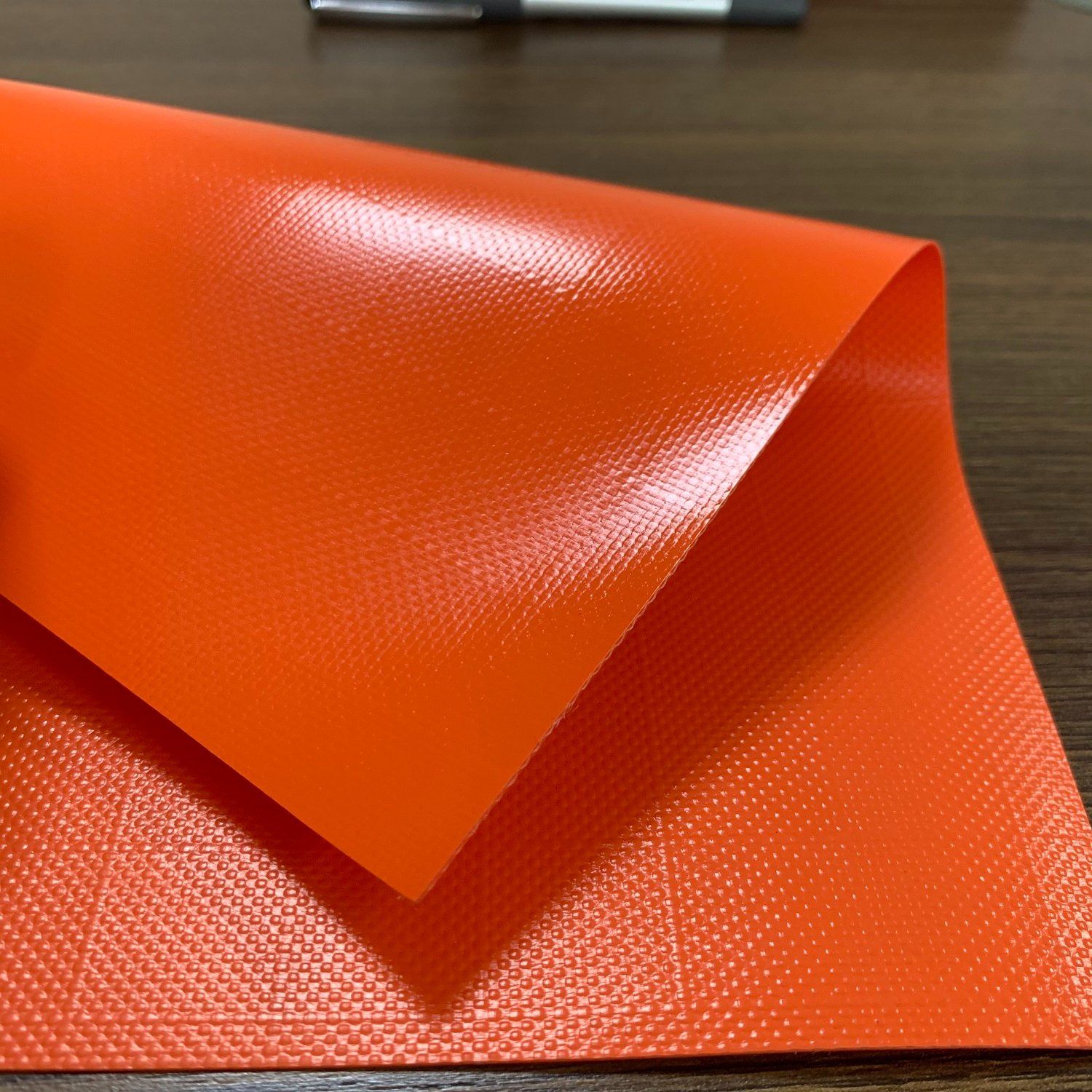
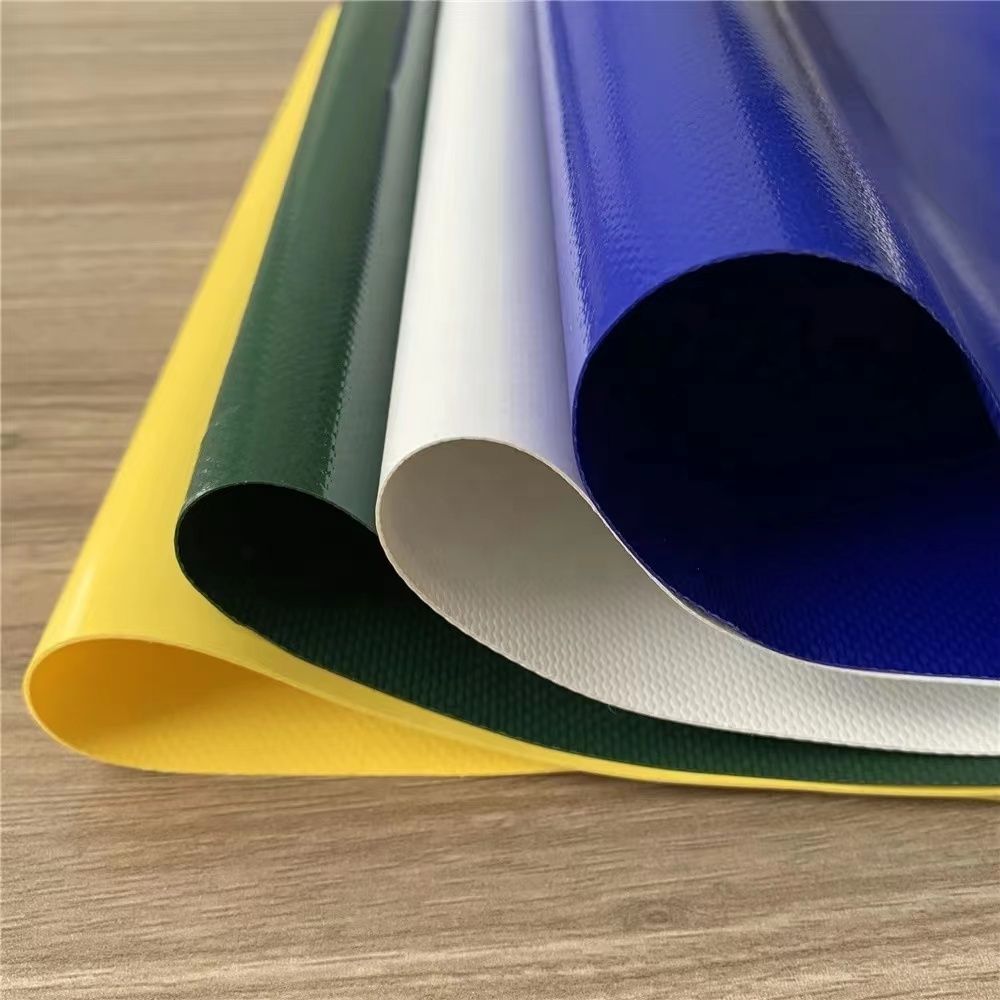
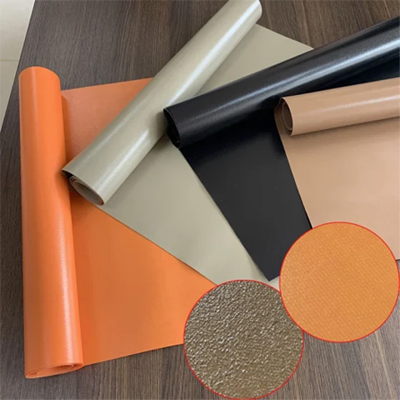
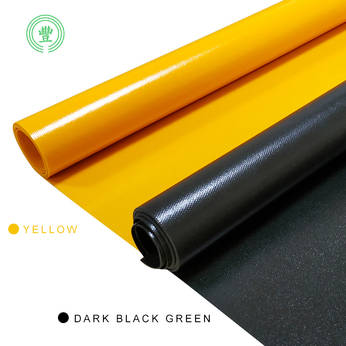
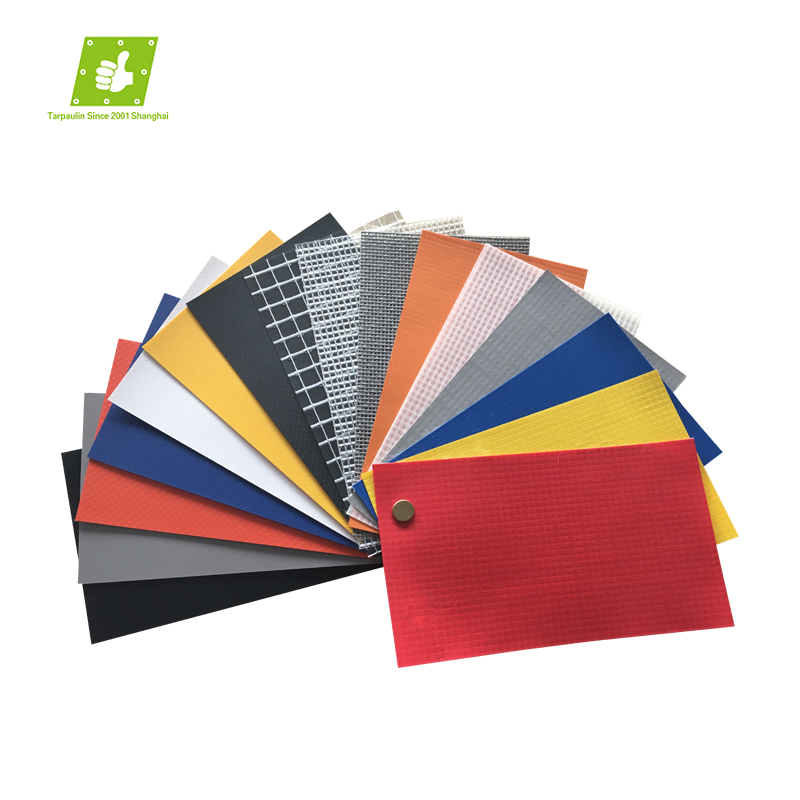
PVC coated tarpaulin — also known as vinyl coated tarp or vinyl coated tarpaulin — is a technical fabric made by bonding liquid PVC coatings to both sides of a woven polyester or nylon base fabric using heat and pressure. The result is a solid, fully impermeable sheet material with a smooth, durable surface that combines the dimensional stability and tensile strength of the woven substrate with the weatherproofing, chemical resistance, and surface hardness of the PVC coating layers. PVC coated tarpaulin is one of the most widely used industrial and outdoor fabrics in the world, applied in truck transport covers, industrial curtains, tents, storage shelters, swimming pools, stadium roofing, and dozens of other applications that demand long-term outdoor durability.
How PVC Coated Tarpaulin Is Made
The manufacturing process defines the performance of PVC tarpaulin and distinguishes quality products from lower-grade alternatives:
- Base fabric preparation: a woven polyester scrim (typically 500–1,000 denier yarns in a balanced plain weave at 9×9 to 18×18 threads per cm) is used as the structural core — this determines the fabric's tensile and tear strength
- Adhesive primer application: a chemical adhesive layer is applied to the fabric surface to ensure strong mechanical and chemical bonding between the woven substrate and the PVC coating layers
- PVC compound formulation: the liquid PVC compound is prepared by blending PVC resin with plasticizers (for flexibility), stabilizers, pigments, and performance additives — the specific additive package determines the final material properties
- Calendering or knife-over-roll coating: the liquid PVC compound is spread onto both sides of the fabric under controlled thickness and fused under heat and pressure — this bonding process creates the strong adhesion that prevents delamination under mechanical stress and prevents water from reaching the fabric core
- Surface treatment: a top surface treatment (lacquer, PVDF, or embossed texture) is applied to provide the final surface properties required — anti-slip texture, gloss finish, print receptivity, or enhanced UV resistance
Because of this lamination and fusion process, quality PVC tarpaulin has stronger adhesion between layers than simple coated fabrics — the PVC does not delaminate, bubble, or peel under the flexing, temperature cycling, and mechanical stress of outdoor use.
Key Properties and Performance Characteristics
PVC coated tarpaulin can be formulated with a wide range of performance properties depending on the additives incorporated during the PVC compounding stage:
- Waterproof: the solid PVC coating is inherently impermeable to water — no moisture reaches the polyester fiber core, preventing mold growth and structural degradation from wet-dry cycling
- Flame retardant: halogen-free or halogen-containing flame retardant additives can be incorporated to meet DIN 4102, EN 13501, or NFPA 701 flame spread classifications for tent, awning, and industrial curtain applications
- Anti-UV: UV stabilizers prevent PVC plasticizer migration and color fade — quality UV-stabilized tarpaulin maintains flexibility and color after 10 or more years of outdoor exposure
- Anti-aging: thermal and oxidation stabilizers prevent the PVC from becoming brittle, cracking, or chalking over its service life
- Antibacterial: biocide additives prevent the growth of mold, mildew, and bacteria on the fabric surface — important for food storage covers, medical tent structures, and agricultural applications
- Antistatic: conductive carbon black or permanent antistatic agents prevent static charge buildup — required for fuel storage covers, powder handling curtains, and electronics facility applications
- PVDF surface treatment: a polyvinylidene fluoride topcoat provides exceptional resistance to UV, dirt adhesion, and chemical attack — used for permanent architectural membrane structures where the tarpaulin must maintain appearance for 20+ years
Typical Weight Grades and Applications
| Weight Grade | Typical GSM | Common Applications |
|---|---|---|
| Light-duty | 350–500 gsm | Temporary shelters, light storage covers, banners |
| Medium-duty | 550–750 gsm | Truck side curtains, event tents, awnings, pool liners |
| Heavy-duty | 800–1,100 gsm | Industrial curtains, permanent roofing, mining tarps |
| Extra-heavy-duty | 1,200–1,800+ gsm | Stadium roofing, architectural membranes, dam liners |
Common Applications Across Industries
PVC coated tarpaulin is found across a wide spectrum of industries and applications:
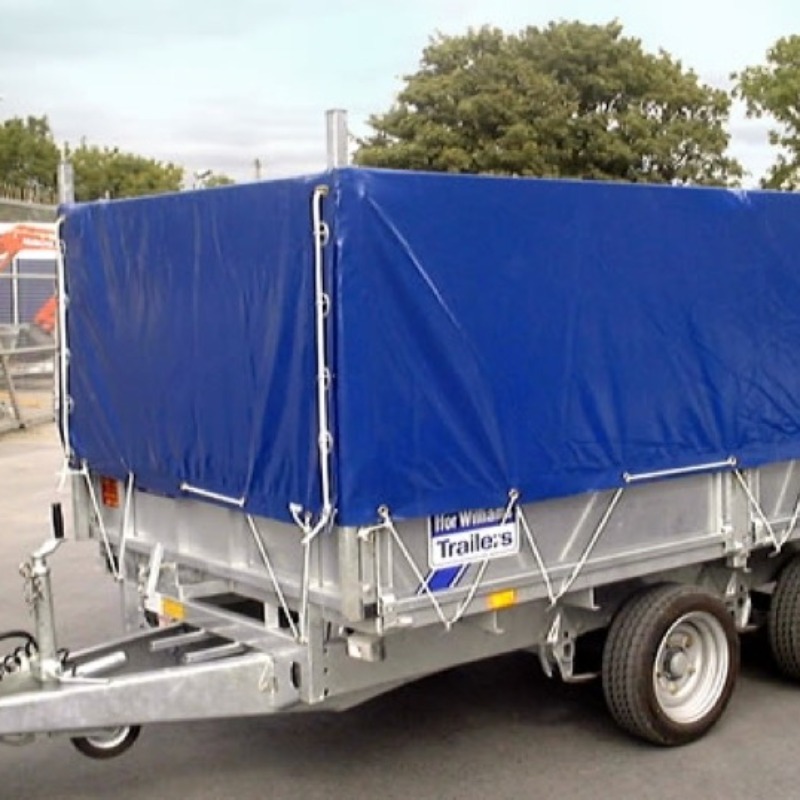
- Transport and logistics: truck curtain-siders, flatbed cargo covers, container liners, and railway wagon covers — the most high-volume application globally
- Tents and temporary structures: military tents, disaster relief shelters, construction site covers, and event marquees — where rapid deployment, weather resistance, and flame retardancy are all required
- Agriculture: grain storage covers, greenhouse sidewalls, silage pit covers, and irrigation pond liners — requiring UV resistance, chemical resistance, and durability in ground contact
- Industrial: welding curtains, machine guards, factory partition curtains, and waste containment liners — where abrasion resistance and chemical resistance are primary requirements
- Architecture: tensile membrane roofs, stadium canopies, and building facade cladding — long-term architectural applications that require PVDF surface treatment and 20+ year design life
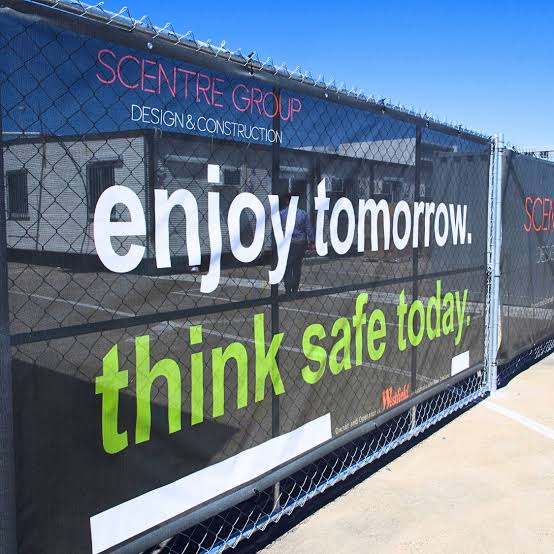
- Leisure and recreation: inflatable structures, swimming pool liners, bounce castles, and outdoor advertising displays