
Call Us
+86-18962820095

 Español
Content
- 1 What Is PVC-Coated Polyester Mesh Fabric? Revealing Its Nature and Characteristics
- 2 What Performance Makes It Stand Out? A Comprehensive Analysis of Practical Advantages
- 3 Where Can It Be Found in Life and Production? A Comprehensive List of Practical Scenarios
- 4 How to Avoid Purchasing Traps? A Guide to Practical Selection Tips
- 5 How to Extend Service Life? A Detailed Guide to Daily Maintenance
- 6 How to Adapt to Special Scenarios? Targeted Usage Tips
- 7 How to Solve Common Problems? Troubleshooting Guide
- 8 Environmental Protection and Safe Use: Unignorable Details
What Is PVC-Coated Polyester Mesh Fabric? Revealing Its Nature and Characteristics
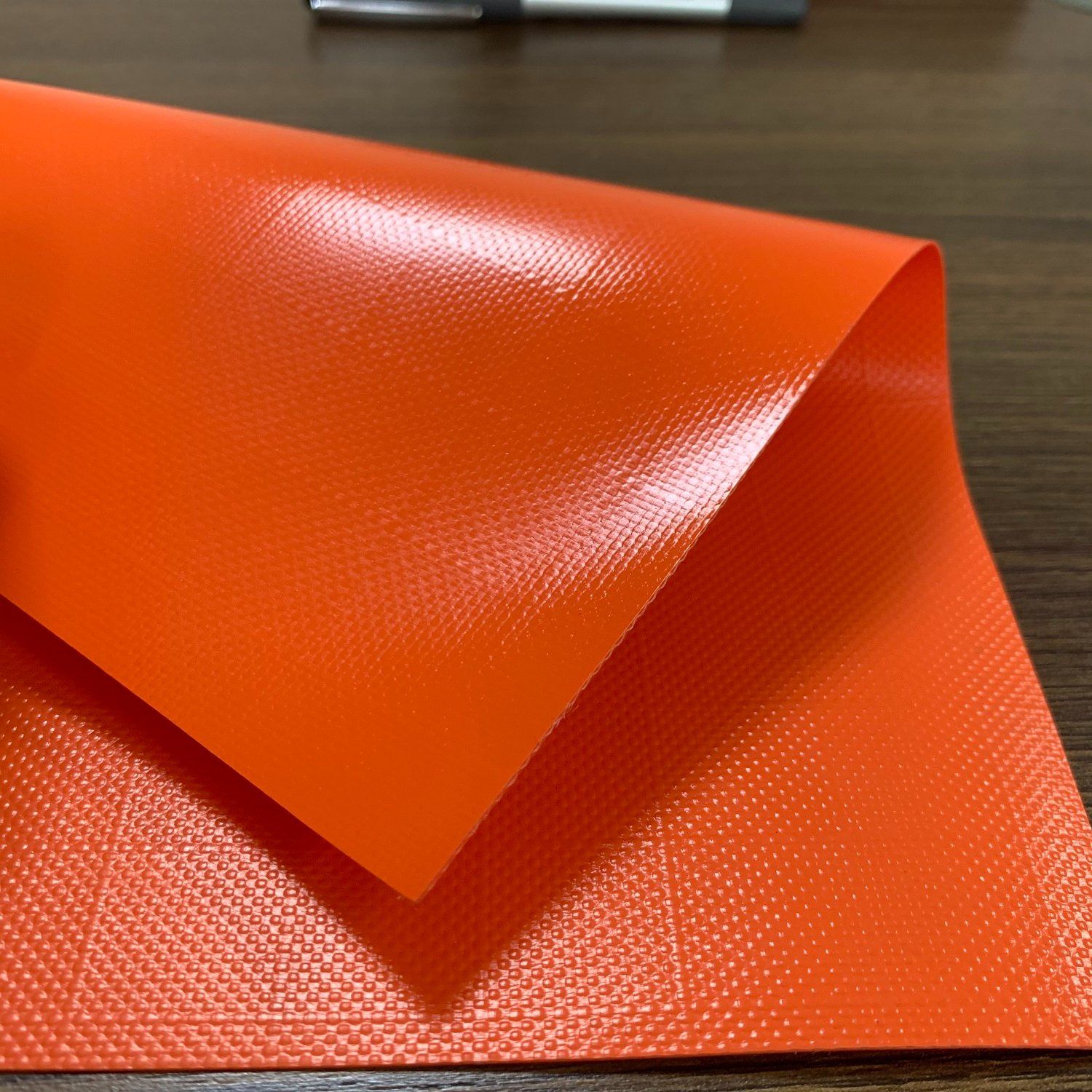
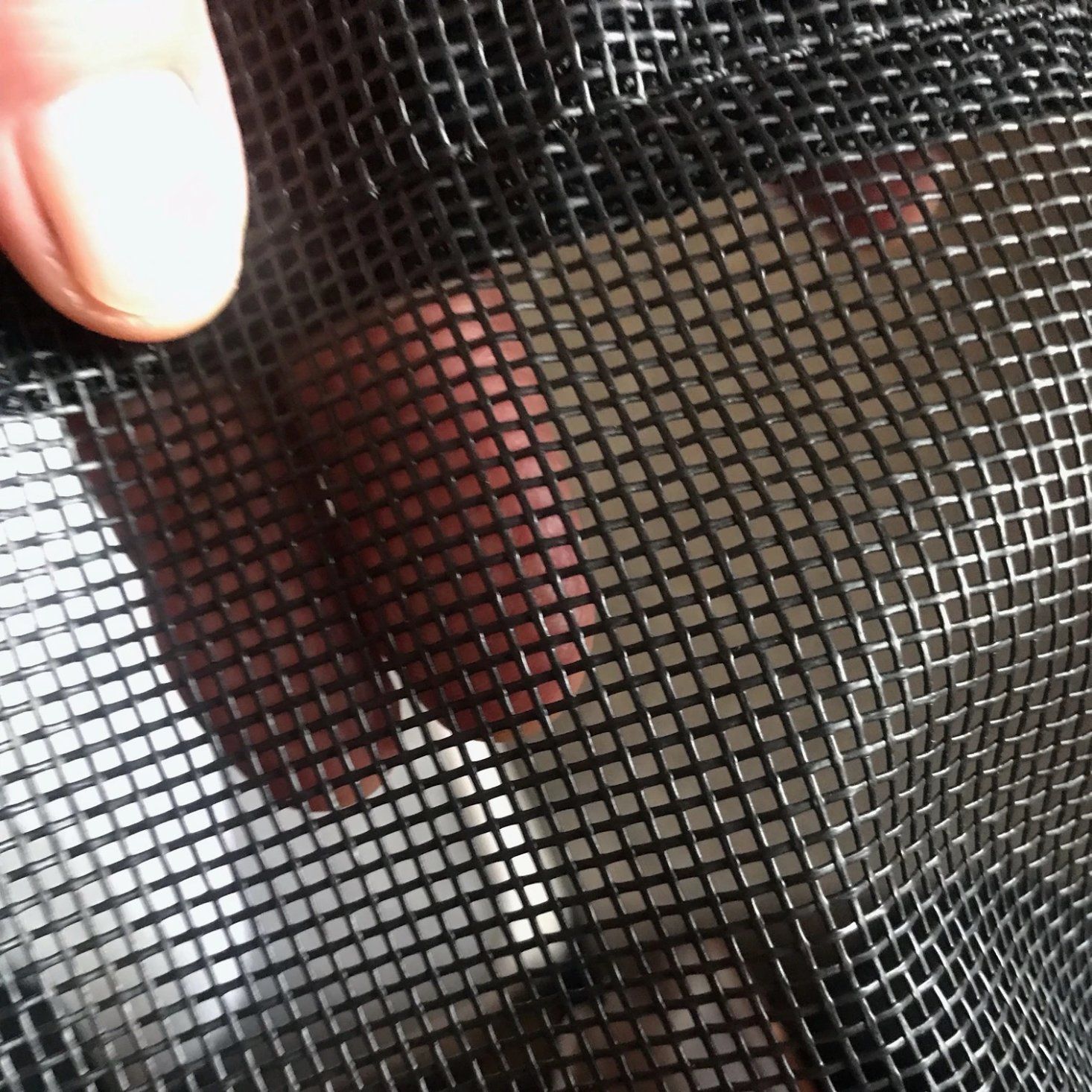
PVC-coated polyester mesh fabric is a functional composite material made by first weaving polyester fibers into a mesh base fabric using plain, twill, or satin weaving techniques, then uniformly applying a polyvinyl chloride (PVC) coating to one or both sides of the base fabric through specific processes such as knife coating, roller coating, or dip coating. Its production process involves several key steps: base fabric pretreatment (including degreasing and heat setting to remove impurities from the base fabric and improve dimensional stability), coating preparation (adding plasticizers, stabilizers, flame retardants, and other additives as needed), coating formation, and drying and curing (temperature controlled at 120-160℃ to ensure tight bonding between the coating and the base fabric). Each step directly affects the final performance of the product.
This "polyester base fabric + PVC coating" composite structure fully combines the advantages of both materials: Polyester fibers themselves have high strength and high modulus, with a breaking strength of 40-50 cN/dtex, allowing the mesh to withstand heavy loads and wear from frequent use. Meanwhile, the PVC coating, with its stable molecular structure, endows the material with excellent waterproof, mold-resistant, corrosion-resistant, and UV-resistant properties. Unlike ordinary fabrics, its mesh structure (with mesh sizes typically ranging from 0.1-5mm, adjustable as needed) not only ensures air circulation—reducing internal temperature by 3-5℃ compared to sealed materials during summer use—but also blocks rainwater, dust, and other impurities through the coating, truly achieving "breathable yet water-impermeable" performance.
During production, by adjusting the warp and weft density of the base fabric (common specifications include 500500/1817, 10001000/99, 300300/2424, and 800800/1212, where the numbers represent the number of warp and weft yarns per 10cm and yarn fineness respectively), the thickness of the coating (usually 0.2-1.5mm, with thin coatings suitable for lightweight scenarios and thick coatings for high-strength protection), and the coating formula, a variety of specialized products can be developed. For example, products with brominated or phosphorus-based flame retardants have an oxygen index of over 28%, providing good flame-retardant effects; those with nano-silver ion antibacterial agents have an antibacterial rate of over 99% against E. coli and Staphylococcus aureus; and some products, optimized through special formulas, can withstand extreme temperatures from -40℃ to 70℃, maintaining stable performance in both cold northern regions and hot southern environments.

What Performance Makes It Stand Out? A Comprehensive Analysis of Practical Advantages
Weather Resistance and Protection: Can It Withstand Harsh Environments?
The answer is yes—its weather resistance and protection have been verified through multi-scenario tests. In terms of UV resistance, high-quality PVC-coated polyester mesh fabric, with UV stabilizers such as 2-hydroxy-4-methoxybenzophenone added, undergoes xenon lamp aging testing (simulating outdoor exposure with a radiation intensity of 0.71W/m²@340nm for 1000 hours). After testing, the color difference ΔE is ≤3, and the tensile strength retention rate is ≥80%, allowing it to last for more than 5 years in outdoor exposure. This far exceeds the service life of ordinary cotton fabrics (usually less than 1 year outdoors) and uncoated polyester fabrics (2-3 years outdoors), effectively avoiding the fading and embrittlement that plague ordinary fabrics.
In terms of waterproof performance, the PVC coating tightly covers the gaps between the base fabric fibers. Through hydrostatic pressure testing, it can remain impermeable for 24 hours under a hydrostatic pressure of ≥1500mm, ensuring no internal water accumulation even in moderate to heavy rain (rainfall of 10-25mm/h). For mold resistance, when placed in a humid environment with a temperature of 28℃ and relative humidity of 95% for 28 days, the mold growth level is ≤Grade 1 (almost no mold growth), effectively resisting mold growth during rainy seasons or in high-humidity environments. In terms of corrosion resistance, when immersed in a 5% concentration of hydrochloric acid or sodium hydroxide solution for 24 hours, the fabric retains its tensile strength with a change rate of ≤5% and no coating peeling after drying, making it suitable for use in industrial areas with acid-base pollution.
Physical Strength: Can It Withstand External Impact and Tension?
Thanks to the tight weaving of the polyester filament base fabric and the strong bonding between the coating and the base fabric, this type of mesh fabric exhibits excellent physical strength. In terms of tensile resistance, products with a warp and weft density of ≥12×12 threads/cm, through tensile testing, have a breaking strength of ≥3000N in the warp direction and ≥2500N in the weft direction. They can easily withstand strong winds (wind speed of 10-12 levels, wind pressure of 0.5-1.0kPa), making them suitable for building large outdoor canopies without worrying about deformation or tearing due to wind loads.
In terms of tear resistance, using the trapezoid method for testing, the tear strength is ≥300N in the warp direction and ≥250N in the weft direction. Even if hooked by sharp objects during daily use, large-area tearing is unlikely. The peel strength between the coating and the base fabric is a key indicator—through peel testing, if it reaches >25N/5cm, the edge will not delaminate when pulled by hand, fully meeting the needs of high-strength scenarios such as industrial conveyors and agricultural greenhouse films.
In terms of wear resistance, through Martindale abrasion testing, products with ≥8000 cycles show no obvious wear marks on the surface, making them suitable for high-frequency friction scenarios such as truck tarpaulins (frequently folded and rubbed against the truck body) and outdoor fitness equipment covers (high-frequency contact during use). Some high-wear-resistant products can withstand ≥20,000 Martindale cycles, further extending their service life.
Processability and Adaptability: Can It Flexibly Meet Different Needs?
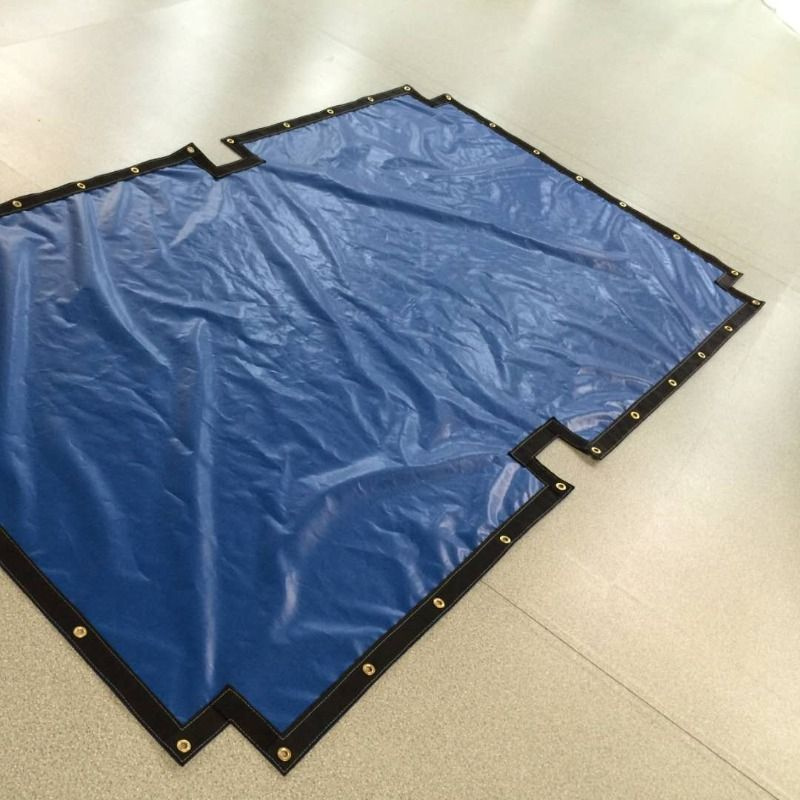
PVC-coated polyester mesh fabric has strong processability and can meet diverse production needs. In terms of forming and processing, for products of different thicknesses and uses, multiple processing methods are available: Lightweight products with a thickness of <0.5mm are suitable for sewing, and when paired with special PVC fabric threads (such as nylon threads, which have good wear resistance and weather resistance), they can be made into outdoor backpacks, sun-protective clothing, etc. Medium-thickness products (0.5-1.0mm) use heat sealing (temperature controlled at 180-220℃, pressure at 0.3-0.5MPa) to effectively avoid water seepage through sewing needle holes, making them suitable for camping tents and outdoor awnings. Heavy-duty products with a thickness of >1.0mm can be seamlessly connected through high-frequency welding (frequency of 27.12MHz, power of 1-5kW), with a welding strength reaching over 80% of the base material strength, making them suitable for scenarios requiring high sealing, such as large liquid storage tank liners and industrial canopies.
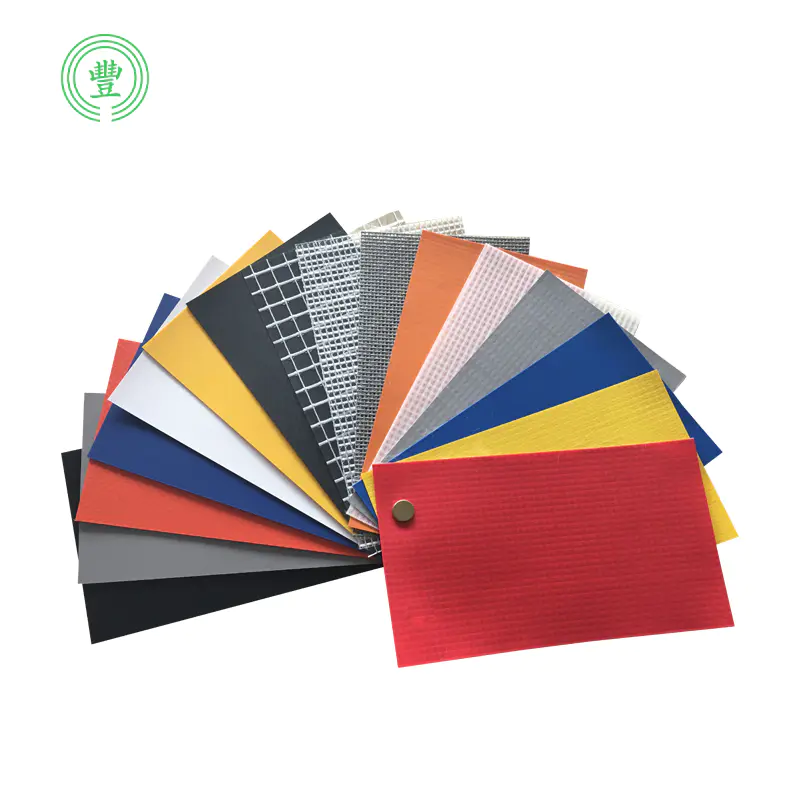
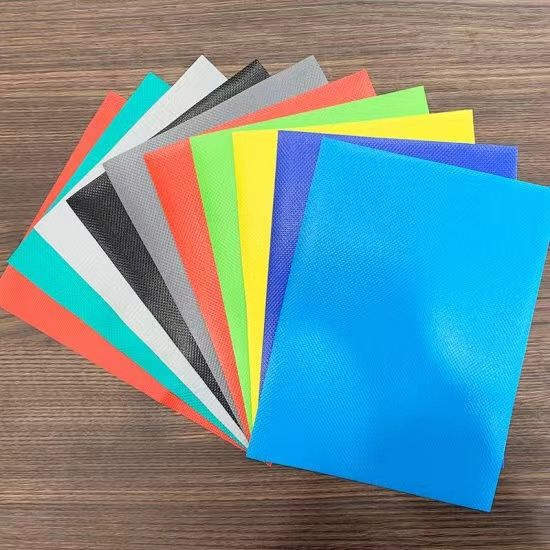
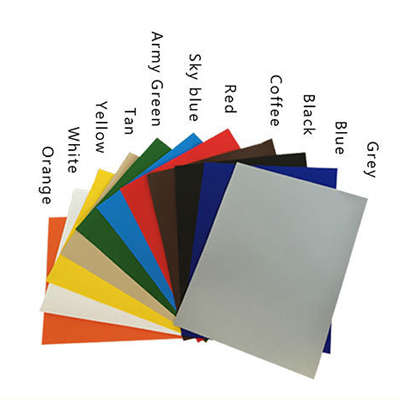
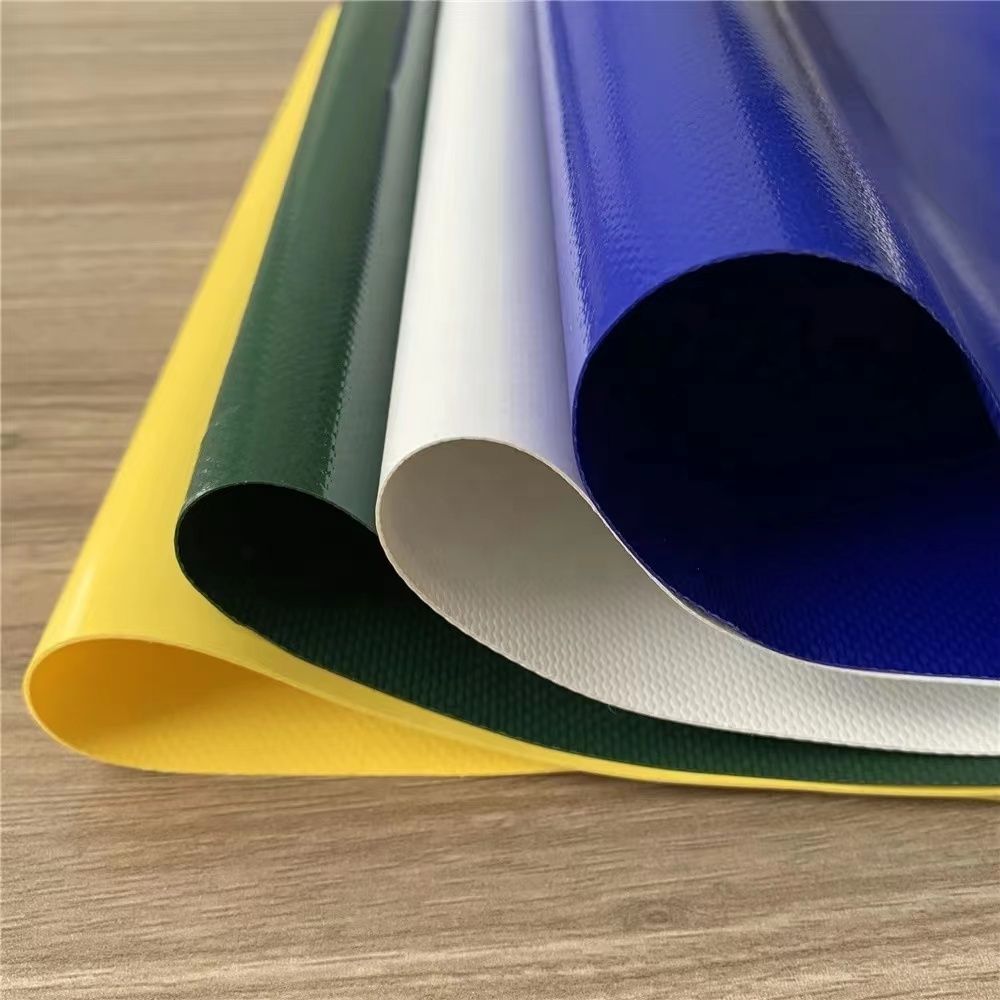
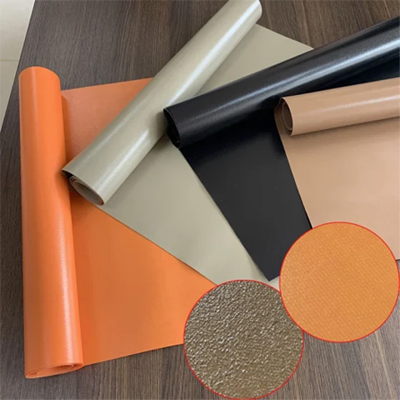
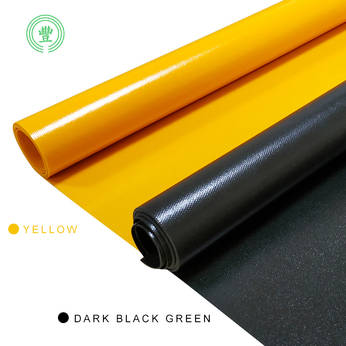
In terms of appearance customization, in addition to basic colors such as black, white, blue, and green, it can also be customized to match Pantone color codes to meet the aesthetic needs of different scenarios. Surface treatment processes are diverse: Matte treatment (glossiness ≤20GU) is suitable for outdoor sunshade scenarios to avoid visual discomfort caused by strong light reflection; glossy treatment (glossiness ≥60GU) is suitable for advertising scenarios to enhance the vividness of images; embossing treatment (such as diamond, stripe, or leather patterns) can increase surface texture, improving the grade of furniture fabrics or decorative materials. In addition, some products support digital printing (using solvent-based or eco-solvent inks with an adhesion level of ≥4B) or screen printing (inks must be compatible with the PVC coating to avoid peeling), allowing patterns, text, or logos to be printed, balancing functionality and aesthetics.
In terms of weight, its areal density usually ranges from 150-800g/㎡, much lower than traditional canvas (usually 1000-1500g/㎡) and metal sheets. Its lightweight nature makes installation and transportation easier. For example, a 10㎡ medium-thickness mesh fabric (400g/㎡) weighs only 4kg and can be easily carried by two people. When used to build large outdoor exhibition canopies, compared to metal frames with glass curtain walls, it significantly reduces the load-bearing requirements of the frame, lowering installation costs and time.
Where Can It Be Found in Life and Production? A Comprehensive List of Practical Scenarios
Outdoor and Home Use: Can It Improve Life Convenience?
In outdoor scenarios, PVC-coated polyester mesh fabric is widely used and closely related to daily life. As a sunshade curtain, it is commonly used on balconies, windows, or outdoor terraces. The light transmittance of its mesh structure can be adjusted between 30%-70% by changing the mesh size—blocking over 70% of UV rays while ensuring sufficient indoor light. Its good air circulation also reduces indoor temperature by 2-3℃, reducing air conditioning usage and saving energy.
Terrace awnings are essential for outdoor leisure. Made of PVC-coated polyester mesh fabric, they not only provide sun and rain protection but also have good weather resistance. Even in rainy southern regions, they avoid mold growth caused by moisture and can last for more than 5 years, creating a comfortable outdoor leisure space for families.
Camping tents are a must-have for outdoor enthusiasts. PVC-coated polyester mesh fabric, with its lightweight, waterproof, and wear-resistant properties, is an ideal material for tent outer layers. High-quality tent outer layers use 210D polyester mesh fabric (D represents yarn fineness—the higher the number, the thicker the yarn) with a 0.3mm thick PVC coating, achieving a waterproof hydrostatic pressure of over 2000mm to withstand moderate to heavy rain. The tent floor uses 420D polyester mesh fabric with a 0.5mm thick PVC coating for better wear resistance, preventing scratches from sharp objects on the ground.
In home scenarios, awnings are common in low-rise residences or villas. Installed above doors and windows, they effectively block rainwater from splashing into the room, protecting doors, windows, and walls from rain erosion while reducing noise from raindrops hitting the ground. Pet bed mats made of this fabric are waterproof, mold-resistant, and easy to clean—pet urine or stains can be wiped off directly with a damp cloth, eliminating the need for frequent washing and reducing bacterial growth, providing a healthy living environment for pets. Additionally, some families use it to make garage roller shutters or basement moisture-proof curtains, leveraging its waterproof and moisture-proof properties to protect vehicles in the garage or items in the basement from dampness.
Industrial and Agricultural Use: Can It Solve Production Pain Points?
In the industrial sector, PVC-coated polyester mesh fabric, with its high strength, weather resistance, and protective properties, is a key material in multiple links. Construction safety nets are indispensable for construction site safety. Made of high-density polyester mesh fabric (warp and weft density of 16×16 threads/cm) with a 0.4mm thick PVC coating, they have excellent impact resistance—a 100kg sandbag falling from a height of 5m will not break the net, effectively preventing construction workers from falling and construction materials from dropping, ensuring on-site safety.
Cargo fencing systems are commonly used in logistics parks, ports, and terminals to divide cargo storage areas. Fences made of this mesh fabric are easy to install (connectable to metal frames via buckles) and have good wind resistance and wear resistance, protecting cargo from sun, rain, and external impact. Meanwhile, the transparent or semi-transparent mesh material allows managers to easily check the status of the cargo.
In warehousing, cargo covers are important for protecting stored items, especially for outdoor storage or warehouses with high humidity. These covers, made of PVC-coated polyester mesh fabric, are waterproof, dustproof, and mold-resistant, effectively preventing cargo damage, rust, or mold caused by rain, dust, or dampness. For example, in mechanical parts warehousing, they prevent surface rust on parts; in grain warehousing, they prevent grain from getting damp and moldy, ensuring grain quality.
In the agricultural sector, the application of PVC-coated polyester mesh fabric effectively solves many pain points in traditional agricultural production. Greenhouse sunshade nets are key equipment for greenhouse cultivation. By adjusting the mesh size and color of the fabric, light transmittance (usually 30%-80%) can be controlled to create suitable light conditions for different crops. For example, when growing vegetables in summer, using black sunshade nets with 50% light transmittance reduces the greenhouse temperature by 5-8℃, preventing poor growth due to high temperatures; when growing flowers, using silver sunshade nets with 70% light transmittance reflects some sunlight, reducing UV damage to flowers and improving their ornamental value. Additionally, sunshade nets have insect-proof functions, blocking pests such as aphids and whiteflies from entering the greenhouse, reducing pesticide use and enabling green cultivation.
In aquaculture, this fabric can be made into aquaculture cages. Compared to traditional nylon cages, the PVC coating has corrosion resistance, withstanding seawater or freshwater erosion and extending the service life by 3-5 years. Meanwhile, the smooth surface of the mesh fabric prevents algae and dirt from adhering, reducing cleaning frequency and lowering aquaculture costs. In livestock breeding, it can be used to make rolling curtains for livestock houses, which are windproof, rainproof, and thermal-insulating. Closing the curtains in winter keeps the house warm, while opening them in summer improves ventilation and lowers temperature, creating a suitable growth environment for livestock and increasing breeding efficiency.
Commercial and Emergency Use: Can It Adapt to Special Needs?
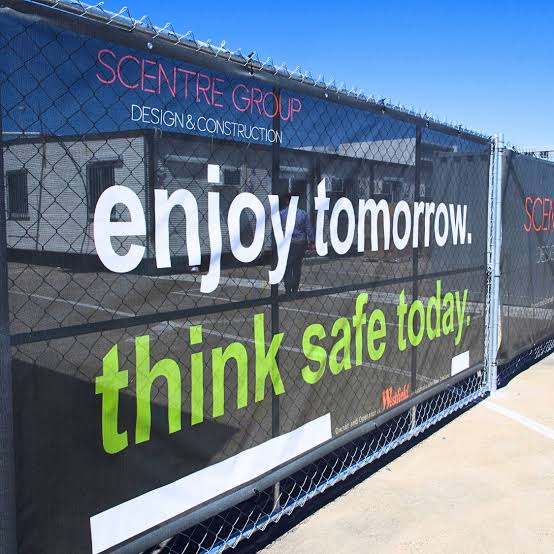
In the commercial sector, the application of PVC-coated polyester mesh fabric is closely related to advertising and commercial exhibitions. Outdoor billboards, made of this fabric, have a smooth and flat surface suitable for digital printing—printed images are vivid and clear, effectively attracting passersby's attention. Its excellent weather resistance ensures that billboards remain free from obvious fading or cracking for 3-5 years outdoors (exposed to sun, rain, and wind), reducing advertising maintenance costs.
Exhibition backdrops are important display elements in commercial exhibitions. Backdrop walls made of this mesh fabric can be customized with patterns and colors according to the exhibition theme, are easy to install (connectable to trusses via hooks), and can be folded and stored after the exhibition for repeated use. Compared to traditional wooden backdrops, they are more environmentally friendly and cost-effective.
In commercial retail venues such as shopping malls and supermarkets, during promotional activities, this fabric can be made into temporary promotional tents or sunshades, providing a windproof and rainproof space for promotions. Meanwhile, brand logos and promotional information can be printed on the tents or sunshades for advertising purposes. Additionally, some high-end shopping malls use it for window decorations—through special cutting and splicing, unique decorative shapes are created, enhancing the mall's aesthetics and grade.
In emergency rescue, the properties of PVC-coated polyester mesh fabric make it an important rescue material. Temporary tents, made of high-strength PVC-coated polyester mesh fabric, are waterproof, flame-retardant, and wind-resistant, withstanding level 8 winds (wind speed of 17.2-20.7m/s) and a waterproof hydrostatic pressure of ≥1500mm, providing a safe and dry living space for rescuers and disaster victims.
Rescue covers can be used to cover temporary shelters and material storage areas in disaster-stricken areas, preventing secondary damage to people and materials from rain and dust. Meanwhile, their lightweight and portable nature allows rescuers to quickly transport and set them up.
In the inflatable product field, this fabric is also a core material. Inflatable toys (such as inflatable castles and slides) are made of soft yet high-strength PVC-coated polyester mesh fabric (usually 0.3-0.5mm thick), which has good airtightness and wear resistance, withstanding collisions and pressure from children playing. They are also easy to clean—stains can be wiped off directly with a damp cloth. Water sports equipment such as kayaks and inflatable boats use thickened PVC-coated polyester mesh fabric (0.8-1.2mm thick), which is seamlessly connected via high-frequency welding, providing excellent waterproof and impact resistance for safe use on water, offering a safe and comfortable experience for water sports enthusiasts.
How to Avoid Purchasing Traps? A Guide to Practical Selection Tips
Checking Appearance and Hand Feel: Can They Initially Judge Quality?
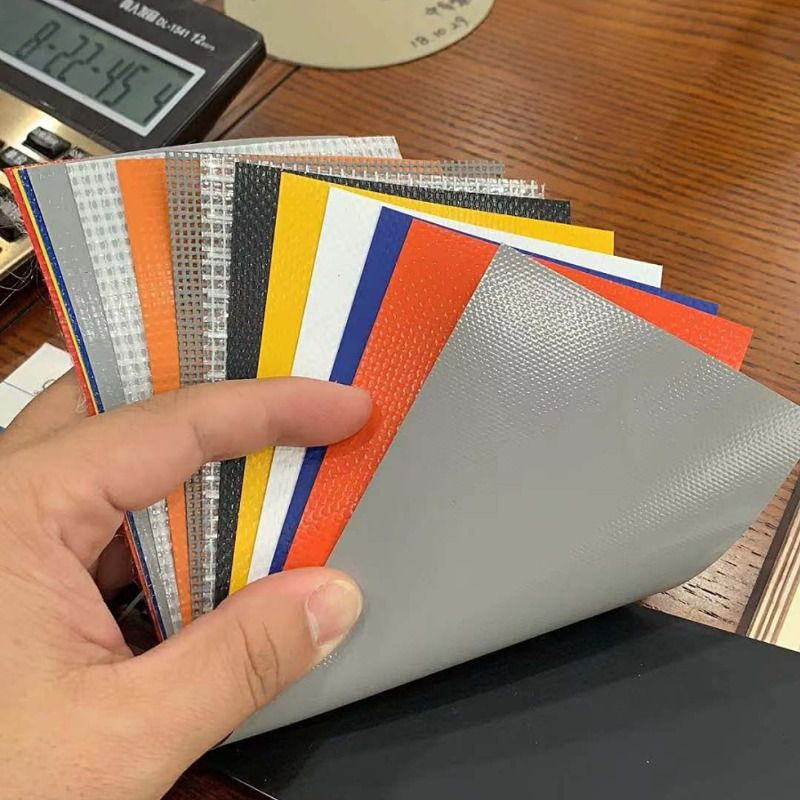
High-quality PVC-coated polyester mesh fabric can be intuitively identified by its appearance: The color should be full and uniform, with no local whitening, light transmission, or uneven color—mottled colors may indicate uneven coating, which affects waterproof and weather resistance. The surface should be smooth and flat, with no pinholes, bubbles, or impurity particles—pinholes directly cause water seepage, while bubbles may burst during use, reducing protective effects. The back usually has a uniform granular texture, indicating sufficient and well-mixed coating resin; a smooth, textureless back may indicate an overly thin coating.
When judging by hand feel, three points should be noted: First, flexibility—high-quality products should be soft and elastic, and even those with a thickness of over 0.45mm should rebound quickly after folding without obvious creases. Stiff hand feel indicates insufficient plasticizer, which may lead to embrittlement and aging during long-term use. Second, thickness uniformity—touching different areas of the fabric should reveal consistent thickness; uneven thickness causes insufficient local strength, affecting service life; uneven thickness causes insufficient local strength, affecting service life. Third, edge integrity—cut edges should be neat, with no coating peeling or loose base fabric yarns; frayed edges or cracked coating indicate poor bonding between the coating and the base fabric.
In addition, a simple visual test can help with judgment: Hold the mesh fabric against strong light—high-quality products have uniform mesh sizes, tight arrangement of base fabric yarns, and no obvious light leakage or sparse yarn areas. If the mesh is skewed or there are many broken yarns, it indicates poor weaving craftsmanship, which may affect overall strength.
Checking Performance and Craftsmanship: What Details Reflect Quality?
Waterproof performance can be initially judged through a simple test: Take a small sample, spray clean water evenly on its surface, and observe if there is water seepage on the back after 5 minutes. High-quality products should keep the back dry with no obvious water stains; if water seepage or dampness occurs, it indicates defects in the coating, resulting in poor waterproof performance. You can also soak the sample in clean water for 24 hours, then take it out to check for coating blistering or peeling. If there is no change in appearance and no water seeps out when squeezed, the waterproof performance is up to standard.
The bonding strength between the coating and the base fabric is critical and can be verified through a "peel test": Gently pinch the edge of the mesh fabric and try to peel the coating from the base fabric. If significant force is required and no obvious delamination occurs, the bonding is firm; if the coating peels off with a light tear or exposed base fabric is visible, such products are prone to coating aging and peeling during long-term use. In addition, abrasion resistance can be judged through a friction test: Rub the surface of the mesh fabric repeatedly 20 times with rough cotton cloth or sandpaper. High-quality products show no obvious scratches, pilling, or coating wear; if obvious damage occurs, the abrasion resistance is poor and not suitable for high-frequency use scenarios.
The quality of the production process also directly affects product quality. Observe the edge treatment: If heat-sealed edges are used, they should be smooth and flat, with no wrinkles or cracks, and tightly bonded to the mesh fabric without lifting; if sewn edges are used, the stitches should be uniform and neat, with a stitch density of ≥8 stitches per centimeter, no skipped stitches or missing stitches, and the color of the thread should match the mesh fabric to avoid excessive color difference. For products that require welding, the welded joints should be free of bubbles or cold welds. Pull the welded area by hand—no obvious deformation or cracking should occur to ensure the welding strength meets standards.
Selecting Specifications Based on Scenarios: How to Match Needs Precisely?
Different usage scenarios have significantly different requirements for mesh fabric specifications, so it is necessary to select appropriately based on actual needs. For short-term temporary coverage (such as temporary rain protection for goods or sunshade for outdoor temporary events), economical products can be chosen: base fabric with a warp and weft density of approximately 300300/2424, coating thickness of 0.2-0.3mm. These products have lower costs, meet short-term use needs, and typically have a service life of 1-2 years.
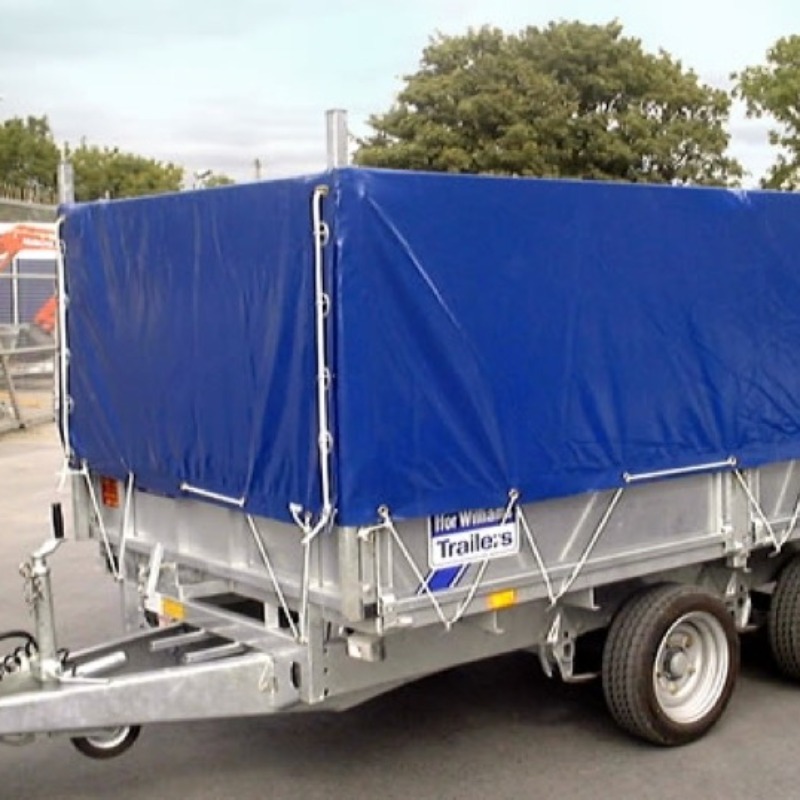
For long-term outdoor high-strength use scenarios such as truck tarpaulins and outdoor fixed canopies, commercial-grade or higher products are required: base fabric with a warp and weft density of ≥500500/1817, coating thickness of 0.5-0.8mm, tensile strength of ≥2500N in the warp direction and ≥2000N in the weft direction, and Martindale abrasion resistance test of ≥10000 cycles. These products can withstand long-term exposure to wind, sun, friction, and impact, with a service life of 3-5 years. For scenarios with extremely high strength requirements such as construction safety nets and greenhouse films, industrial-grade products should be prioritized: base fabric with a warp and weft density of ≥800800/1212, coating thickness of 0.8-1.2mm, tear strength of ≥350N in the warp direction and ≥300N in the weft direction, and additional flame-retardant and corrosion-resistant properties to ensure safe and stable use.
For indoor use scenarios (such as pet bed mats and home decorative fabrics), environmental protection and comfort should be emphasized: Choose odorless products with a smooth surface, and a coating thickness of 0.3-0.5mm is sufficient. Colors can be customized according to home style; if used for food storage coverage, products clearly labeled "food contact grade" should be selected to ensure safety and harmlessness.
How to Extend Service Life? A Detailed Guide to Daily Maintenance
What Details Should Be Noted During Cleaning?
Daily cleaning requires choosing appropriate methods based on the type of stains on the mesh fabric surface to avoid damaging the coating. For dust only, use a soft brush (such as a wool brush or nylon soft brush) or a clean cotton cloth to gently wipe the surface, sweeping along the texture of the mesh fabric to avoid horizontal friction that may wear the coating; a vacuum cleaner with a soft brush attachment can also be used on low power to quickly remove dust.
For stubborn stains such as oil stains and fruit juice, strong acid or alkaline cleaners (such as toilet cleaners or caustic soda solutions) should not be used, as they may corrode the PVC coating. Instead, first spray neutral soapy water (dish soap mixed with water at a ratio of 1:50) on the stained area, let it stand for 3-5 minutes, then gently scrub with a sponge or soft cloth—apply moderate force to avoid excessive scrubbing that may peel the coating; after scrubbing, rinse thoroughly with clean water to ensure no soap residue remains, as residual detergent may cause coating aging and discoloration during long-term use.
After cleaning, dry the mesh fabric in a timely manner—do not fold and store it while damp. Spread the mesh fabric out and hang it in a well-ventilated area away from direct sunlight to air dry naturally; if you need to speed up drying, use a hair dryer on the low-temperature setting, held more than 30cm away from the mesh fabric to dry it. Do not use the high-temperature setting to directly bake the fabric, as this may cause the coating to deform and shrink.
What Are the Key Points for Storage and Maintenance?
The storage environment directly affects the service life of the mesh fabric. Choose a dry, ventilated, and temperature-appropriate location—avoid storing it in damp, dark areas (relative humidity >70%) or direct sunlight. A damp environment is prone to mold growth, while direct sunlight accelerates coating aging. Before storage, ensure the mesh fabric is completely dry; if there is residual moisture on the surface, dry it thoroughly before storing.
When folding for storage, lay the mesh fabric flat and fold it gently—avoid excessive squeezing or tight folding to prevent coating creasing and cracking; place a soft cotton cloth or paper between the folded layers to reduce friction between the coatings. For large mesh fabrics (such as truck tarpaulins and greenhouse sunshade nets), if conditions permit, it is recommended to store them in a rolled form. Use a dedicated roller to roll the mesh fabric evenly, with a roller diameter of ≥10cm to avoid edge deformation due to pressure. After rolling, wrap the fabric in plastic film to prevent dust accumulation.
Regular inspection is also important—take the mesh fabric out and unfold it for inspection every 3 months. Check for mold growth, coating peeling, and yarn breakage. If slight mold is found, clean it with neutral soapy water and dry it; if large-area coating peeling or yarn breakage occurs, repair or replace it in a timely manner to prevent the problem from worsening.
How to Avoid Wear and Tear During Daily Use?
When using the mesh fabric outdoors, avoid direct contact with sharp objects. Before setting up tents or sunshades, clean up sharp debris such as gravel and tree branches on the ground; if the ground is uneven, lay a cushion (such as a waterproof cloth or carpet); use dedicated hooks or ropes to fix the mesh fabric—avoid using sharp objects such as wire or nails for direct fixation to prevent scratching the fabric. In case of severe weather such as strong winds or heavy rain, check the fixation of the mesh fabric in advance; if the wind force is strong (≥Level 6), temporarily take down the mesh fabric or reinforce the fixation to prevent it from being blown up and colliding with other objects, causing damage.
When using the mesh fabric to cover goods, adjust the covering method according to the shape of the goods to avoid direct pressure from sharp corners of the goods on the fabric. If the goods have protruding corners, wrap the corners with soft cloth or foam pads to reduce local pressure on the mesh fabric; ensure the mesh fabric is spread flat when covering, with no excessive stretching or wrinkling. Excessive stretching keeps the mesh fabric under long-term stress, accelerating fatigue and aging, while wrinkles are prone to water accumulation, and long-term dampness affects coating performance.
If small-area damage occurs during use (such as holes with a diameter <5cm or cracks with a length <10cm), repair it in a timely manner to prevent the damage from expanding. For repairs, use dedicated PVC repair glue and patches: First, clean the area around the damage, lightly sand the edge of the damage with sandpaper, apply the repair glue, then cover the damage with a patch, press it for 5-10 minutes, and let it stand for 24 hours to allow the glue to fully cure before use; if the damage area is large, it is recommended to replace the mesh fabric with a new one to ensure safe use.
How to Adapt to Special Scenarios? Targeted Usage Tips
To clearly present the adaptation requirements for different scenarios, the following table summarizes the core needs and solutions for extreme climates, water-related environments, and food contact scenarios:
|
Special Scenario |
Core Requirements |
Suitable Product Specifications/Processes |
Key Precautions |
|
High-temperature areas (tropical/subtropical) |
UV resistance, cooling, prevention of coating softening |
1. With UV stabilizer + matte coating2. Coating thickness: 0.3-0.5mm3. Double-layer mesh for greenhouses (light transmittance: 40% + 50%) |
Avoid glossy coatings (significant heat absorption); regularly check if the coating is softened |
|
Frigid areas (below -15℃) |
Low-temperature toughness, prevention of brittleness and shrinkage |
1. With cold-resistant plasticizer2. Low-temperature test (placed at -20℃ for 2h, no cracks when folded 180°)3. Reserve 10%-15% expansion/contraction allowance |
Conduct low-temperature toughness test before installation; avoid over-tightening of fixed points |
|
High-wind areas (coastal/plateau) |
Tensile resistance, prevention of being blown over |
1. Warp and weft density ≥ 16×16 threads/cm2. Reinforced fixing accessories (stainless steel hooks, thickened ropes)3. Fixed point spacing: 50-80cm, single-point load-bearing ≥ 50kg |
Check the firmness of fixed points quarterly; reinforce or take down the mesh before strong winds |
|
Water-related scenarios (swimming pools/flood control) |
Waterproof, chlorine corrosion resistance (for swimming pools) |
1. For swimming pools: With chlorine-resistant agent, welding width ≥ 10mm + waterproof edge (≥ 5cm)2. For flood control: Coating thickness ≥ 0.8mm, "lap joint + welding" (lap joint ≥ 15cm) + seam gluing |
Regularly test the chlorine resistance of the mesh for swimming pools; check for sharp objects on the ground before flood control |
|
Food contact scenarios (grain depots/workshops) |
Safe non-migration, easy cleaning |
1. Marked as "food contact grade" (complying with EU No 10/2011 or FDA 21 CFR 177.1650)2. No plasticizers, no peculiar smell |
Only use food-grade cleaners; avoid direct and long-term contact with food |
Extreme Climate Areas: How to Deal with High Temperatures, Frigidity, and Strong Winds?
In high-temperature areas, the matte coating reduces surface temperature by minimizing light reflection, while double-layer mesh allows flexible adjustment of light transmittance—for example, using both layers in hot summer and removing one in winter. In frigid areas, cold-resistant plasticizers enhance the coating’s low-temperature elasticity, and reserved expansion/contraction allowance prevents cracking from shrinkage. For high-wind areas, high-density base fabric and reinforced fixings disperse wind loads, avoiding local damage.
Water-Related Scenarios: How to Ensure Waterproofing and Durability?
Swimming pool mesh requires chlorine-resistant agents to resist chemical erosion, and high-frequency welding with waterproof edges eliminates needle-hole seepage. For flood control, thickened coatings and double splicing (lap joint + welding) enhance puncture resistance, while plastic cushions prevent ground debris from piercing the mesh.
Food Contact Scenarios: How to Meet Safety Requirements?
"Food contact grade" certification (EU No 10/2011 or FDA 21 CFR 177.1650) ensures no harmful substance migration. Clean with food-grade cleaners only, and wipe the surface before use to remove dust residues.
How to Solve Common Problems? Troubleshooting Guide
The following table sorts out the causes, solutions, and preventive measures for three common issues—local water seepage, surface mold, and tensile deformation—to facilitate quick problem-solving:
|
Common Problem |
Cause of the Problem |
Solution (Step-by-Step) |
Preventive Measures |
|
Local water seepage |
1. Needle holes at sewing joints2. Coating damage (scratches/holes)3. Unfirm welded joints |
1. Needle holes: Wipe dry → apply waterproof glue (covering 2-3cm) → cure for 24h2. Coating damage: Cut a 5cm-larger patch → sand edges → glue and press → cure for 48h → reinforce edges3. Welded joints: Heat with a heat gun (180-200℃) + press with a roller → re-weld if needed |
1. Prioritize welded splicing2. Avoid sharp objects during installation3. Regularly inspect seams |
|
Surface mold |
1. Long-term dampness (un dried rainwater)2. High storage humidity (>70%) |
1. Mild mold: Brush off mold → wipe with soapy water (+1% vinegar) → rinse → dry → spray mold inhibitor2. Severe mold: Wipe with 0.5% sodium hypochlorite → rinse → check coating → repair |
1. Dry the mesh promptly after rain2. Use 50g silica gel desiccant per ㎡ during storage3. Keep storage humidity ≤ 60% |
|
Tensile deformation |
1. Over-tightening during installation2. Excessive local pressure (heavy objects)3. Long-term stress aging |
1. Mild deformation (<5%): Pull in reverse + heat with a low-temp heat gun → restore2. Severe deformation (>10%/cracking): Cut and re-splice with same-spec mesh |
1. Reserve 5% expansion/contraction allowance during installation2. Lay a buffer layer under heavy objects3. Check fixed points every 6 months |
Local Water Seepage in Mesh Fabric: How to Handle It?
First, locate the seepage source: Needle holes at sewing joints can be sealed with waterproof glue; small coating holes require patches; and unfirm welds need re-heating or re-welding. After repair, test with water to confirm no further seepage.
Mold Growth on Mesh Fabric Surface: How to Remove and Prevent It?
Mild mold is removable with soapy water and vinegar, while severe mold needs low-concentration sodium hypochlorite (avoid coating corrosion). Prevention focuses on keeping the mesh dry and controlling storage humidity with desiccants.
Tensile Deformation of Mesh Fabric: Can It Be Restored? How to Avoid It?
Slight deformation can be fixed using the PVC coating’s thermoplasticity (low-temp heating + reverse pulling). Severe deformation requires splicing. Avoid over-tightening during installation and use buffer layers under heavy objects to prevent deformation.
Environmental Protection and Safe Use: Unignorable Details
How to Dispose of Waste Mesh Fabric? Avoid Environmental Pollution
PVC-coated polyester mesh fabric is a composite material and should not be discarded randomly—it needs to be sorted for disposal: Contact local plastic recycling enterprises to confirm whether they accept PVC composite material recycling. Some enterprises can separate the PVC coating from the polyester base fabric through separation technology for recycling and reuse respectively; if recycling is not possible, hand it over to professional hazardous waste treatment institutions for incineration or landfilling in accordance with local environmental protection regulations. Do not incinerate it by yourself, as this may release toxic hydrogen chloride gas and pollute the air.
If the mesh fabric still has some usability (e.g., only partially damaged), it can be repurposed and reused—for example, cut into small sunshades, pet cage mats, or storage bags. This extends its service life and reduces waste generation.
How to Avoid Safety Hazards During Use?
When using the mesh fabric outdoors, keep it away from open flames (such as barbecues or fireworks). Ordinary PVC-coated mesh fabric is flammable when exposed to open flames and may release toxic gases. If it is used in scenarios that may come into contact with open flames (e.g., sunshades in outdoor dining areas), flame-retardant mesh fabric should be selected, and fire extinguishers should be prepared nearby. For products that come into contact with children (e.g., inflatable toys or children’s tents), mesh fabric that is odorless and free of heavy metals (lead and cadmium content < 100mg/kg) must be chosen. Before use, ventilate the product for 24 hours to avoid the volatilization of harmful substances affecting children’s health.
During installation and disassembly, pay attention to high-altitude safety. If the installation height exceeds 2 meters, use ladders or scaffolding—do not climb the mesh fabric, as it may not bear the weight and cause falls. When disassembling, first loosen the fixed points, then fold the mesh fabric slowly to prevent it from falling suddenly and injuring people or damaging objects.
How to Judge Whether the Mesh Fabric Needs to Be Replaced? Avoid Safety Risks
The mesh fabric should be replaced in a timely manner if any of the following situations occur: The coating peels off over a large area (peeling area > 20%), and waterproof or sun-protective performance cannot be restored through repairs; the base fabric is obviously aged (e.g., the yarn becomes brittle and breaks easily when pulled by hand); after multiple repairs, problems such as water seepage or deformation still exist, affecting normal use; the service life exceeds the designed lifespan (more than 5 years for outdoor use, more than 8 years for indoor use)—even if there is no obvious damage to the appearance, its performance will have degraded significantly.
Before replacement, make a plan and select products that match the specifications of the original mesh fabric. If the original mesh fabric is inconvenient to use (e.g., too heavy or poor air permeability), the specifications can be adjusted according to actual needs to ensure the new mesh fabric is more suitable for the usage scenario.
PVC-coated polyester mesh fabric, with its excellent waterproof, wear-resistant, and weather-resistant properties, has become an indispensable material in daily life, industry, agriculture, and emergency rescue. By understanding its definition and performance characteristics, selecting the right specifications for different scenarios (aided by the scenario-adaptation table), mastering scientific maintenance methods, and solving common issues efficiently (using the troubleshooting table), you can maximize its service life and exert its practical value. Whether it is for outdoor sunshade, cargo protection, or agricultural production, choosing and using PVC-coated polyester mesh fabric reasonably can bring convenience and efficiency to various scenarios.