
Call Us
+86-18962820095

 Español
Content
- 1 I. Getting to Know PVC Tarpaulins: What Kind of Practical Material Are They Exactly?
- 2 II. The Dilemma of Selection: How to Accurately Match Your Own Usage Needs?
- 3 III. Regional Adaptation: What Are the Selection Skills in Different Climatic Environments?
- 4 IV. Usage and Maintenance: How to Extend the Service Life of Tarpaulins?
- 5 V. Common Problems: How to Solve Malfunctions During Use?
- 6 VI. Expansion of Usage Scenarios: How to Maximize the Practical Value of PVC Tarpaulins in Different Industries?
- 7 VII. Safe Use: How to Avoid These Potential Risks?
- 8 VIII. Cross-Scenario Installation Guide: How to Install PVC Tarpaulins Correctly Anywhere?
I. Getting to Know PVC Tarpaulins: What Kind of Practical Material Are They Exactly?
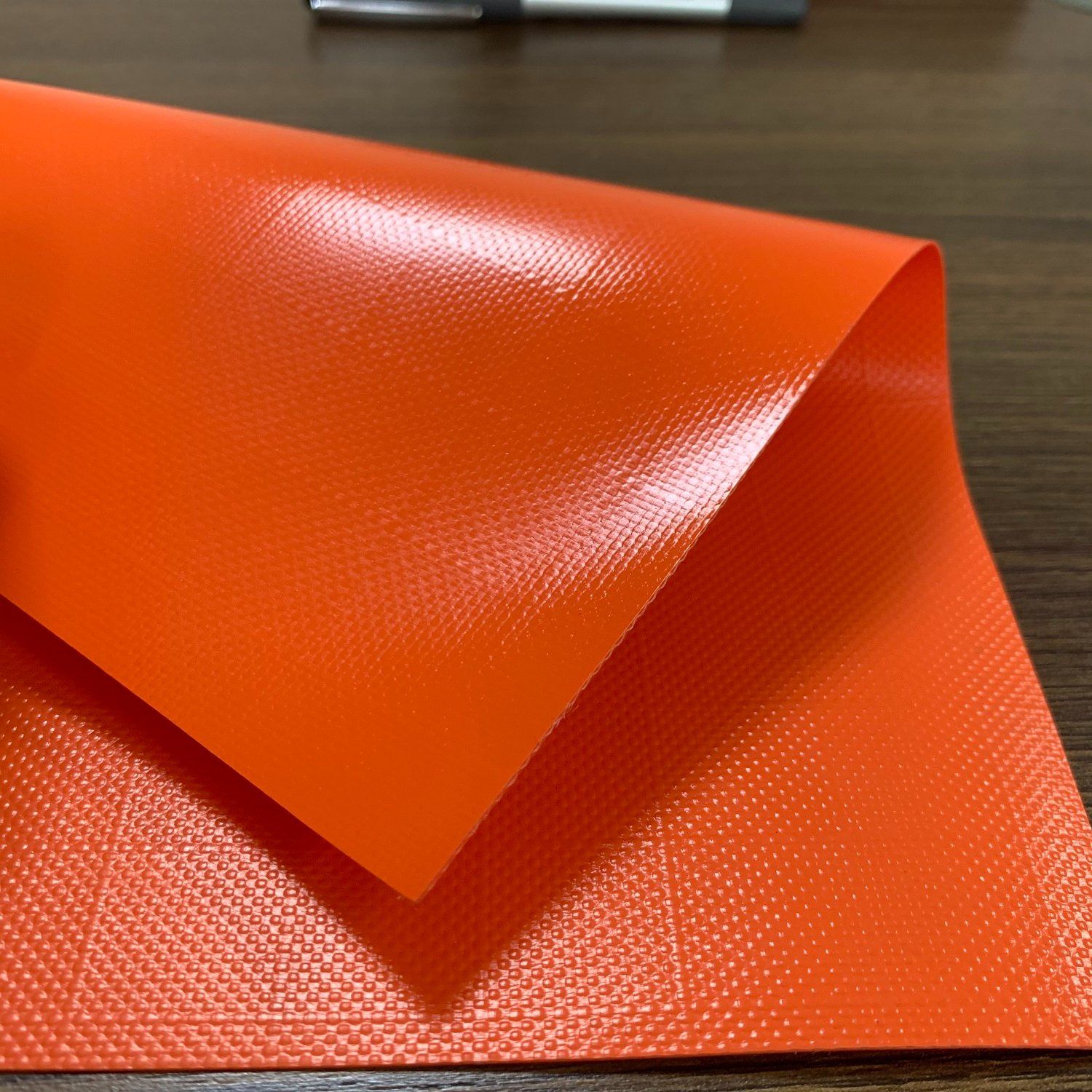
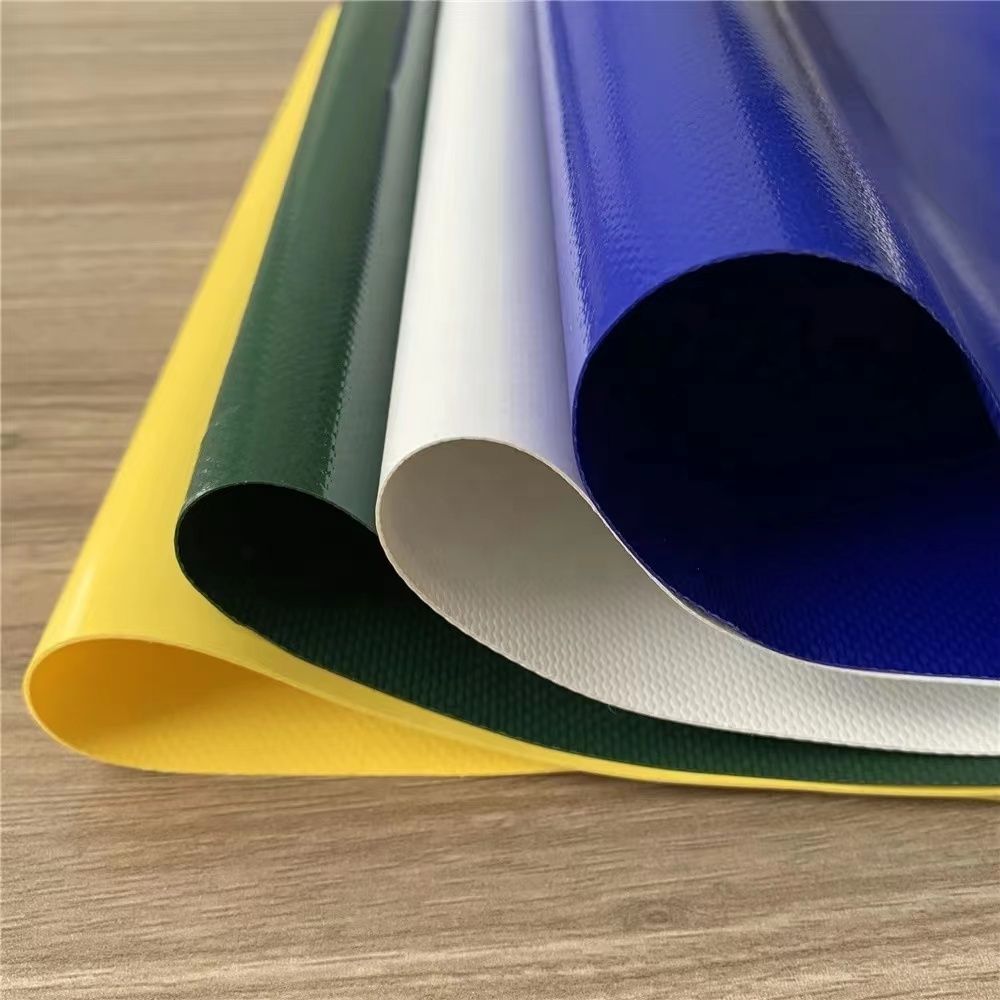
PVC tarpaulin, fully known as polyvinyl chloride coated fabric, is a functional material made by processing high-strength fiber fabrics (as the base cloth) through processes such as dipping, coating, scraping, and drying. Its core advantages stem from the synergy between the base cloth and the coating: the base cloth, often made of materials like polyester filament, provides toughness and strength, while the surface PVC coating endows it with properties such as water resistance, mildew resistance, and weather resistance.
In terms of performance, it can be called a "versatile protective tool" — its indicators such as breaking strength and tear elongation are far superior to traditional tarpaulins, and it also has anti-static, high and low temperature resistance (-30℃ to +70℃) capabilities. In terms of production technology, it is mainly divided into horizontal machine production and vertical machine production. Among them, vertical machine production requires higher raw material purity, resulting in better product quality, and the knife-coating process can further improve the peel strength and outdoor durability of the product. Today, it has been widely used in warehousing, transportation, agriculture, construction sites and other scenarios, becoming a mainstream choice for outdoor protection.
II. The Dilemma of Selection: How to Accurately Match Your Own Usage Needs?
The key to selecting PVC tarpaulins lies in comprehensively judging based on usage purposes, environment and budget. First, you need to clarify the core purpose: warehouse waterproofing requires focusing on rainproof and anti-ultraviolet properties; construction site enclosures need to balance wind resistance and flame retardancy; agricultural greenhouses have special requirements for light transmittance and thermal insulation.
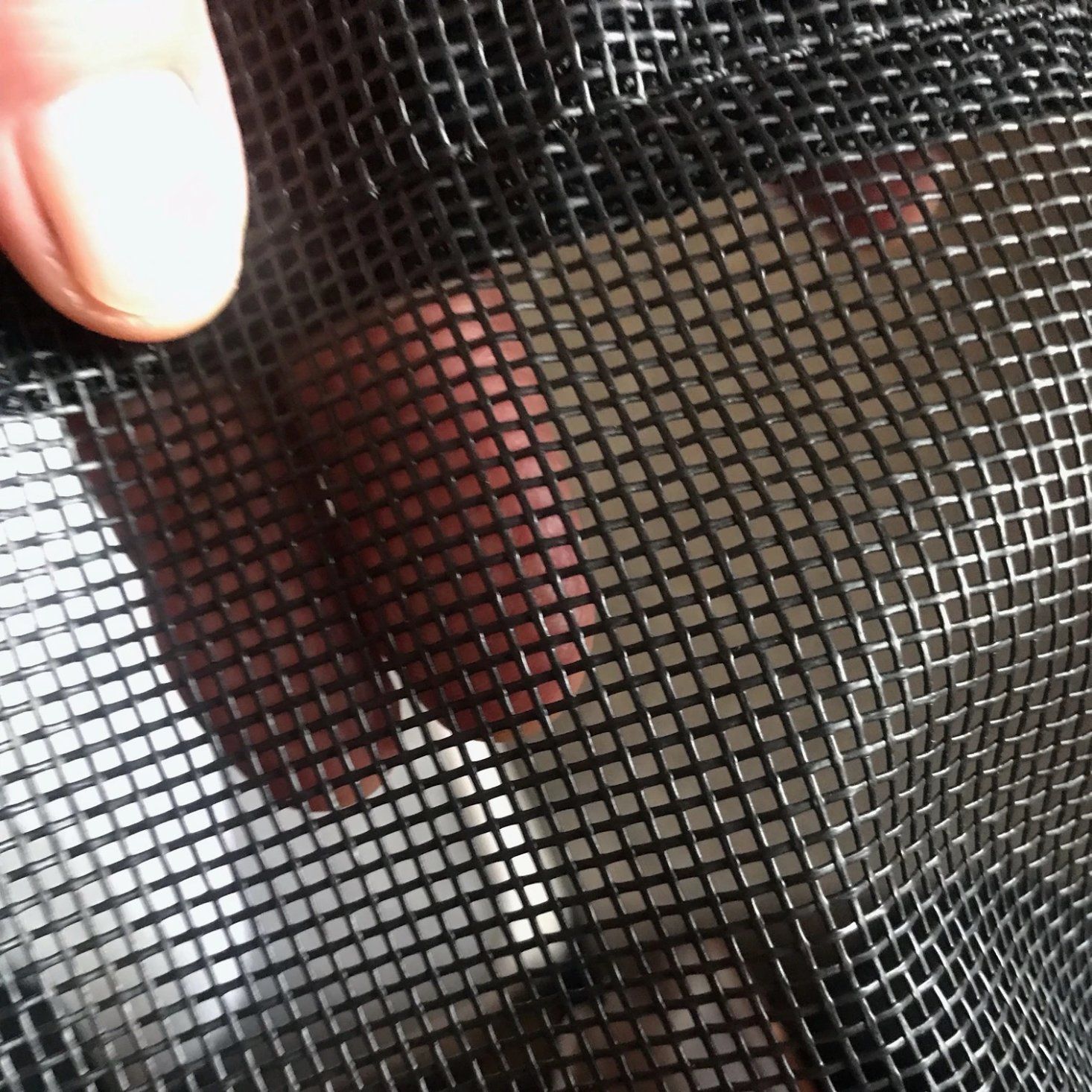
Weight per unit area (gsm) and base cloth are important reference indicators. Lightweight tarpaulins (300-500 g/m²) are suitable for short-term sunshade, medium-weight ones (500-800 g/m²) can meet long-term outdoor use, and heavyweight ones (over 800 g/m²) are applicable to scenarios with high-strength requirements. For the base cloth, polyester fiber balances strength and cost, glass fiber is suitable for permanent buildings, and mesh cloth is adapted to scenarios requiring ventilation.
Coating technology and additional functions should also not be ignored. Double-sided PVC coating offers better water resistance, and a thickness of more than 0.3 mm is more durable; in humid environments, products with mildew and antibacterial treatment should be selected, and in public places, it is necessary to ensure that the flame retardant level meets the standard (such as B1 level). There are significant differences in needs in different regions: rainy and humid areas require products with gsm ≥ 800 g/m² and mildew-proof coating; high-temperature and sun-exposed areas need double-sided UV-treated products; cold regions require materials with low-temperature flexible formulas.
III. Regional Adaptation: What Are the Selection Skills in Different Climatic Environments?
Climatic differences directly affect the service life and protective effect of tarpaulins, so targeted adaptation is required during selection. In the rainy and humid South China and coastal areas, mildew growth is a major hidden danger. You should choose products with PU mildew-proof coating on the surface and gsm ≥ 800 g/m², and avoid low-cost uncoated materials. At the same time, products with high-frequency heat-sealing technology for seams have more reliable water resistance, and the sealing performance can be verified through a water drop test.
In the high-temperature and sun-exposed areas such as the Northwest and deserts, UV aging is a core threat. It is necessary to choose double-sided UV-treated products with antioxidants added, and the gsm should not be less than 600 g/m², otherwise they are prone to embrittlement and cracking. In cold and dry areas such as Northeast China and the Plateau, the risk of low-temperature embrittlement of materials is high. Priority should be given to tarpaulins with low-temperature resistance up to -30℃ or above and reinforced edge wrapping to avoid cracking of ordinary PVC due to low-temperature hardening.
For industrial warehousing scenarios, attention should be paid to tensile strength (warp direction ≥ 4000 N/5cm) and fire and flame retardancy. For agricultural greenhouses, it is necessary to select diffused light tarpaulins with a light transmittance of 10%-50% according to the needs of crops. For temporary activities, lightweight products with 500-600 g/m² are suitable.
To clearly compare the selection differences in different climatic regions, you can refer to the following table:
|
Type of Climatic Region |
Core Threats |
Recommended GSM (g/m²) |
Key Process/Coating |
Auxiliary Selection Parameters |
Usage Precautions |
|
South China/Coastal Areas (Rainy and Humid) |
Mildew growth, rainwater leakage, typhoons |
≥ 800 |
Knife-coating process, double-sided PVC coating, PU mildew-proof coating, high-frequency heat-sealed seams |
Tensile strength (warp direction ≥ 4000 N/5cm), mildew resistance grade 0 (GB/T 24346-2009) |
Rinse with clean water + silicone oil maintenance monthly, add more fixing points before typhoons, check the sealing of seams after rain |
|
Northwest/North China (High-temperature and Sun-exposed) |
UV aging, large day-night temperature difference |
600-800 |
Double-sided PVC coating, matte finish, added UV absorbers |
UV aging test ≥ 800h (tensile strength retention rate ≥ 80%), thermal cycle test (-20℃ to 60℃) with no cracking after 5 cycles |
Avoid folding at high temperatures at noon, spray UV protection maintenance agent every 3 months, do not use hard brushes for cleaning |
|
Northeast/Plateau Areas (Cold and Dry) |
Low-temperature embrittlement, snow accumulation pressure |
≥ 700 |
Low-temperature flexible formula, edge wrapping + double stitching |
Brittleness temperature ≤ -35℃, tear strength ≥ 100 N (GB/T 3917.2-2009) |
Clear snow in time after heavy snow, avoid forced folding at low temperatures, fully dry before storage to prevent freezing |
IV. Usage and Maintenance: How to Extend the Service Life of Tarpaulins?
The service life of PVC tarpaulins is usually 4-15 years, and scientific use and maintenance can significantly extend their service life. During installation, you need to first clean up sharp objects on the ground to avoid scratches caused by dragging; when fixing, the force should be even. In strong wind weather, more fixing points should be added and the tightness should be checked regularly. At the same time, attention should be paid to temperature limits to avoid softening and adhesion at temperatures > 60℃, or embrittlement and cracking at temperatures < 0℃.
There are clear specifications for cleaning and maintenance: use cold water and neutral detergent for gentle scrubbing, do not use strong acids, strong alkalis or hard brushes, and dry thoroughly after cleaning. The maintenance frequency varies in different environments. In coastal areas, it is necessary to rinse with clean water and maintain with silicone oil every month; in rainy areas, regular scrubbing is required to prevent mildew. If small-area damage is found, it should be repaired immediately with special adhesive patches. For coating wear, waterproof spray can be applied to restore performance.
Proper storage is also crucial: during the non-use season, the tarpaulin should be cleaned and dried, then sprinkled with talcum powder to prevent adhesion, rolled up or laid loosely in a cool and ventilated place, avoiding heavy pressure, moisture, and rodent bites. For long-term storage, a sunshade cloth can be covered to further isolate UV erosion.
V. Common Problems: How to Solve Malfunctions During Use?
During the use of PVC tarpaulins, common malfunctions mainly focus on four categories: "water leakage", "aging", "damage", and "mildew". Mastering the correct solutions can prevent small problems from developing into major failures and reduce replacement costs.
Seam Water Leakage: Frequent Occurrence, Need to Repair According to Circumstances
Seams are the weak link in the water resistance of tarpaulins. Water leakage is mostly caused by defects in the seam process or aging after long-term use. If it is water leakage at the heat-sealed seam (without stitches), first clean the dust and oil on the seam, wipe it dry with a dry cloth, then evenly apply special PVC repair glue (which needs to match the tarpaulin material, such as soft glue for soft PVC and hard glue for hard PVC) on the seam. The application width should cover 2 cm on both sides of the seam, with a thickness of about 0.3 mm. After application, dry it with a hair dryer (cold air setting) for 5 minutes, then paste a layer of PVC repair tape (width ≥ 5 cm), and press it with a roller (force ≥ 5 kg) to ensure that the repair tape is completely attached to the tarpaulin. It can be used normally after 24 hours; if the water leakage is at the stitched seam, first check whether the sewing thread is broken. If it is broken, re-sew with UV-resistant nylon thread (stitch pitch ≤ 1 cm), then apply waterproof glue 1 cm wide on both sides of the sewing thread. After drying, spray a layer of waterproof spray to enhance the sealing performance.
In addition, the repair effect can be verified through a "water pressure test": place the repaired tarpaulin seam upwards, pour water (weight about 1 kg) into a plastic bag and place it on the seam, observe for 24 hours. If there is no water seepage on the lower side, the repair is successful.
Coating Aging and Peeling: Treat According to the Degree, Delay Scrap
Coating aging and peeling are mostly caused by factors such as UV radiation, high temperature, and chemical corrosion, which are manifested as surface embrittlement, wrinkling, and peeling, exposing the underlying base cloth. For mild aging (coating peeling area ≤ 5%, no base cloth exposed), PVC coating repair agent (choose a product with the same color as the tarpaulin) can be used. Before repair, gently sand the aging area with sandpaper (to remove loose coating), clean it with water and dry it, then evenly apply the repair agent on the aging area (thickness about 0.2 mm). After application, dry it in a cool and ventilated place for 4 hours, and it can be applied again to increase the coating thickness; for moderate aging (coating peeling area 5%-20%, partial base cloth exposed), first apply a layer of PVC primer (to enhance adhesion) on the base cloth surface, apply the repair agent after drying, and finally paste a layer of thin PVC film (thickness ≥ 0.1 mm), and gently heat it with a heat gun (temperature ≤ 80℃) to make the film adhere to the repair agent; for severe aging (coating peeling area ≥ 20%, large-area base cloth exposed), repair is not recommended. Continuing to use it may cause the base cloth to rot, so a new tarpaulin needs to be replaced.
In daily use, coating aging can be delayed through "regular maintenance": spray a layer of PVC maintenance agent (containing UV-resistant ingredients) on the tarpaulin surface every 3 months, with a spray amount of about 30 ml per square meter. The maintenance agent can form a protective film on the coating surface, reducing the erosion of UV rays and dust.
Low-temperature Embrittlement and Damage: High Incidence in Winter, Flexibility Should Be Focused on in Repair
In low-temperature environments in winter, PVC tarpaulins are prone to cracks and damage due to embrittlement. For such damage, low-temperature resistant materials should be selected for repair to avoid re-cracking after repair. For small cracks (length ≤ 10 cm, width ≤ 1 mm), first wipe the cracked area dry with a dry cloth (to avoid water freezing and affecting the repair effect), then evenly apply low-temperature resistant PVC repair glue (brittleness temperature ≤ -30℃) on the area 2 cm on both sides of the crack, with a thickness of about 0.5 mm, then paste a layer of low-temperature resistant PVC repair sheet (thickness ≥ 0.8 mm, flexibility grade ≥ 4), and tap it firmly with a rubber hammer to ensure that the repair sheet is seamlessly attached to the tarpaulin. After placing it in an environment of -20℃ for 24 hours, if there is no cracking at the repair site, it can be used normally; for larger damage (area > 10 cm²), first cut a tarpaulin patch (5 cm larger than the damaged area) that matches the shape of the damaged area and has the same material, apply low-temperature resistant repair glue on both the back of the patch and the damaged area, let it stand for 5 minutes (wait for the glue surface to dry slightly), then attach them, press them with a heavy object (such as a sandbag, weight ≥ 10 kg) for 48 hours, and at the same time, apply an additional circle of sealant on the edge of the patch to enhance water resistance.
During winter use, it is also necessary to prevent embrittlement in advance: before the temperature drops (such as when the temperature drops below 0℃), a layer of PVC low-temperature protective agent can be sprayed on the tarpaulin surface (about 40 ml per square meter). The protective agent can penetrate into the coating to improve the low-temperature flexibility of the material; if the tarpaulin is in an environment below -30℃ for a long time, it is recommended to install a buffer layer (such as thick canvas) between the tarpaulin and the support structure to avoid the tarpaulin being torn due to structural shrinkage.
Mildew Growth: High Incidence in Humid Environments, Need Both "Cleaning + Prevention"
Tarpaulins in rainy and humid areas are prone to mildew growth (manifested as black and green mildew spots on the surface, accompanied by an odor) if they are in a poorly ventilated environment for a long time. This not only affects the appearance but also corrodes the PVC coating and shortens the service life. When dealing with mildew, it is necessary to first judge the degree of growth: mild mildew (mildew area ≤ 10%, no coating damage) can be cleaned by yourself; severe mildew (mildew area ≥ 30%, the coating has been corroded with holes) requires replacing the tarpaulin to avoid mildew spread.
The steps for cleaning mild mildew are as follows: first prepare a cleaning solution — mix water, white vinegar, and neutral detergent in a ratio of 10:2:1 (white vinegar can inhibit mildew growth, and neutral detergent enhances decontamination ability), or use a special PVC tarpaulin mildew remover (diluted to a concentration of 5%); then dip a soft brush into the solution and gently scrub the mildew area, avoiding excessive force to scratch the coating. After scrubbing, let it stand for 10 minutes (to allow the solution to fully penetrate); then rinse thoroughly with clean water (water temperature ≤ 30℃) to ensure no detergent residue; finally, unfold the tarpaulin and dry it in a cool and ventilated place (avoid direct sunlight to prevent mildew from entering a dormant state due to high temperature). After drying, check whether the mildew has been removed. If there is still residue, the cleaning can be repeated once.
After cleaning, preventive measures should be taken: spray a layer of mildew inhibitor on the tarpaulin surface (about 25 ml per square meter, select a grade 0 mildew-proof product that meets the GB/T 24346-2009 standard), and spray it once every 3 months; ensure good ventilation under the tarpaulin during use. For example, when covering the warehouse, a support can be built between the tarpaulin and the goods (height ≥ 30 cm) to avoid the tarpaulin directly contacting the humid goods; after the rainy season, remove the tarpaulin in time, clean and dry it to prevent mildew recurrence due to long-term humidity.
In addition, if the tarpaulin has small holes (diameter ≤ 3 cm) due to mildew corrosion, after cleaning and drying, it can be repaired with a special PVC repair adhesive patch. The repair method is the same as that for "small-area damage", but an additional circle of mildew-proof sealant should be applied around the edge of the adhesive patch to prevent mildew from growing again from the repair site.
VI. Expansion of Usage Scenarios: How to Maximize the Practical Value of PVC Tarpaulins in Different Industries?
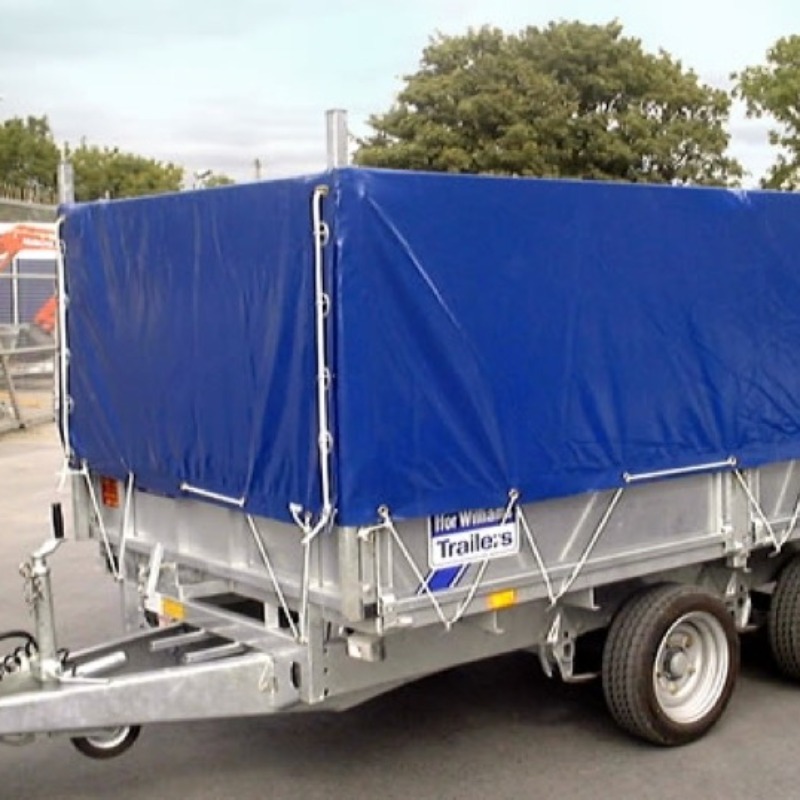
In addition to the common scenarios of rain protection and moisture prevention, PVC tarpaulins have segmented application skills in many industries. Mastering these skills can further improve the use efficiency. In the logistics and transportation industry, when using tarpaulins for freight vehicles, the fixing method needs to be adjusted according to the type of goods: when transporting bulk goods (such as coal and gravel), it is recommended to choose wear-resistant knife-coated tarpaulins (gsm ≥ 800 g/m²), and lay a layer of plastic film inside the tarpaulin to prevent the goods from seeping and polluting the tarpaulin; when transporting fresh and food goods, it is necessary to select PVC tarpaulins with air vents (air permeability ≥ 5 L/m²·24h) to avoid the goods deteriorating due to stuffiness. At the same time, thermal insulation cotton should be pasted inside the tarpaulin to enhance the heat insulation effect (the temperature inside the carriage can be reduced by 5-8℃ in summer).
The application in the agricultural field is more targeted: when using it for planting greenhouses, if it is for winter seedling raising, it is necessary to select thermal insulation tarpaulins with a light transmittance of 30%-40%, and match them with rolling machines to control the opening and closing time of the tarpaulins (open during the day for light absorption and close at night for thermal insulation); when planting edible fungi (such as shiitake mushrooms and enoki mushrooms), it is necessary to select black-film PVC tarpaulins with a light-shielding rate of ≥90%, and the edges of the tarpaulins should be sealed to prevent light from leaking in and affecting the growth of mycelia; in aquaculture, PVC tarpaulins can be used to build temporary water storage tanks. Choose thickened knife-coated tarpaulins (thickness ≥1.2mm), and lay a geotextile membrane on the ground before laying to prevent sharp objects on the ground from puncturing the tarpaulins. The edges of the water storage tanks should be compacted with sandbags to prevent the tarpaulins from shifting due to water pressure.
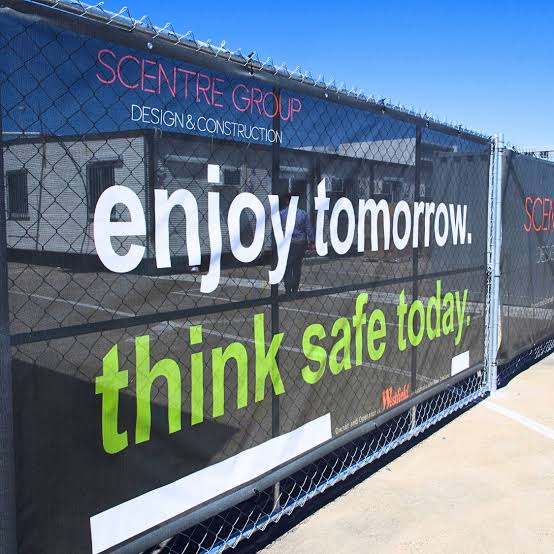
In the construction industry, PVC tarpaulins have diverse uses: when used as construction site enclosures, flame-retardant tarpaulins (above B1 grade) should be selected, with a height of ≥2.5m, and the overlapping width between each tarpaulin should be ≥10cm to avoid wind leakage through gaps; when used as covering for concrete curing, breathable PVC tarpaulins should be chosen. After covering, spray water regularly to keep the tarpaulins moist, which can shorten the concrete curing cycle by 2-3 days; when used as the roof of temporary warehouses, wind-resistant tarpaulins (wind resistance grade ≥Level 8) should be selected, with the spacing between support structures ≤3m, and drainage grooves should be installed under the tarpaulins to prevent rainwater from accumulating and collapsing the tarpaulins.
In outdoor leisure scenarios, PVC tarpaulins also have practical value: when setting up camping tents, choose lightweight PVC tarpaulins (500-600 g/m²) with aluminum alloy brackets for easy carrying and installation. The bottom of the tarpaulins should be thickened (thickness ≥0.8mm) to enhance wear resistance; when holding outdoor events (such as exhibitions and markets), use spliced PVC tarpaulins. The splicing joints of each tarpaulin should be treated with heat-sealing technology to ensure water resistance, and drainage holes should be installed on the top of the tarpaulins to prevent rainwater accumulation.
In different industries, attention should also be paid to industry-specific requirements: for tarpaulins used in temporary isolation areas in the medical industry, antibacterial PVC tarpaulins should be selected (antibacterial rate ≥99%, meeting the GB/T 31402-2015 standard); for tarpaulins used in the chemical industry, chemical corrosion-resistant ones should be chosen (able to withstand acid and alkali solutions with a concentration of ≤20%) to avoid coating corrosion by chemicals; for tarpaulins used in military and emergency rescue fields, high-strength and quick-deployment types should be selected, with a folded volume of ≤0.1m³ and deployment time of ≤5 minutes to meet emergency needs.
VII. Safe Use: How to Avoid These Potential Risks?
Neglecting safety details when using PVC tarpaulins may lead to hidden dangers such as fires and structural collapses, so targeted risk prevention and control are required. First, fire safety: PVC tarpaulins are flammable materials (oxygen index about 24-28, which is flammable if below 30). When in use, they should be kept away from open flames and high-temperature sources — for example, during construction site operations, open flame operations such as electric welding and gas cutting should be kept at least 10 meters away from the tarpaulins, and fire blankets should be laid below; when used outdoors, setting off fireworks and firecrackers near the tarpaulins is prohibited, and explosion-proof lamps should be used for temporary lighting (to avoid bulb breakage igniting the tarpaulins). If used in enclosed spaces (such as temporary warehouses), one fire extinguisher (ABC dry powder type, capacity ≥4kg) should be provided for every 50 square meters, and fire exits should be kept unobstructed (width ≥1.2 meters).
Structural safety is also crucial: before building large-scale tarpaulin facilities (such as temporary workshops and event canopies), load-bearing and wind resistance grades should be calculated — the wind resistance grade should be 1-2 grades higher than the maximum historical wind force in the local area (for example, if the maximum wind force in the local area is Level 7, tarpaulins with wind resistance of Level 9 should be selected). The support structures should use galvanized steel pipes (diameter ≥50mm), with a burial depth of ≥60cm (80cm for soft soil) to avoid overall collapse caused by strong winds. During daily use, regular inspections of the support structures should be conducted to check for rust and deformation. If steel pipe bending or weld cracking is found, use should be stopped immediately for maintenance; during snowy weather, the load-bearing of the tarpaulins should be monitored in real time. When the snow weight per square meter exceeds 8kg, the snow should be cleared immediately to prevent tarpaulin tearing or bracket bending.
In addition, health and safety should be noted: PVC tarpaulins may release trace plasticizers (such as phthalates) at high temperatures (≥60℃). Therefore, they are prohibited from being used to directly cover food (especially food stored at high temperatures), and are not recommended for long-term use in enclosed spaces (such as temporary bedroom partitions). If used, ventilation should be enhanced — install axial flow fans (air volume ≥1000m³/h) and ventilate 3-4 times per hour. Staff should wear activated carbon masks (protection level ≥N90) and stay in the tarpaulin-enclosed space for no more than 4 hours per day to reduce plasticizer inhalation.
When cutting and trimming tarpaulins, "dust protection" should be done well: operate outdoors with good ventilation or in workshops equipped with dust removal equipment. Use electric circular saws (equipped with dust covers, dust collection efficiency ≥95%) as cutting tools instead of manual scissors (manual cutting is more likely to generate dust). Operators should wear dust masks (replace every 4 hours) and goggles (to prevent dust from entering the eyes). After operation, clothes should be cleaned in time (to avoid dust adhering to the skin), and the cutting area should be cleaned (wiped with a damp cloth to prevent dust from flying).
During tarpaulin cleaning, "chemical safety" cannot be ignored. Strongly irritating detergents such as phosphorus-containing detergents and bleaches are prohibited, as these substances will damage the stability of the PVC coating and accelerate aging; wire balls and hard brushes should also not be used to avoid scratching the coating. It is recommended to use neutral laundry detergent (such as baby laundry detergent, pH 6-8) and soft brushes (brush hair length ≥15mm, made of nylon) for gentle scrubbing. After cleaning, rinse thoroughly with clean water (at least 3 times) to ensure no detergent residue — residual detergent will react chemically with PVC at high temperatures and release harmful substances.
VIII. Cross-Scenario Installation Guide: How to Install PVC Tarpaulins Correctly Anywhere?
Proper installation directly affects the protective effect and service life of PVC tarpaulins. Whether you’re covering a warehouse, setting up an agricultural greenhouse, or building a temporary outdoor shelter, following scenario-specific installation steps and tool guidelines ensures stability and durability—even in harsh weather conditions.
1. Warehouse Storage Cover Installation: Focus on Wind Resistance & Sealing
Warehouse tarpaulins (usually large-size, 800-1200g/m²) need to withstand long-term outdoor exposure and potential wind loads. Here’s the step-by-step process:
Pre-Installation Preparation:
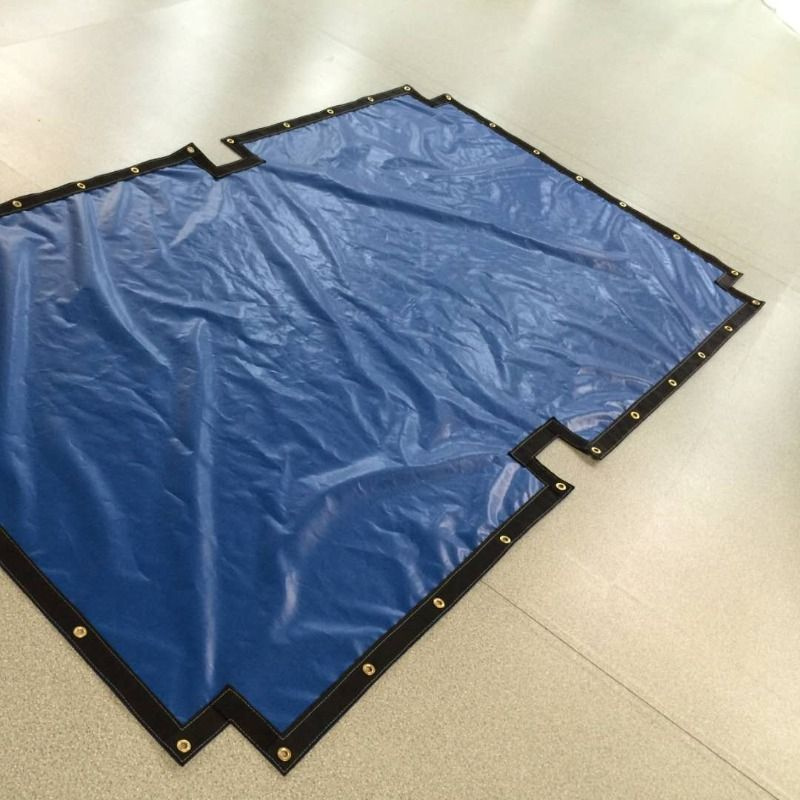
Measure the storage area accurately to confirm the tarpaulin size—add 50-100cm extra on each side for overlapping and fixing (e.g., a 10m×15m storage area requires a 11m×16m tarpaulin).
Inspect the support structure (steel frames or wooden beams): Ensure no sharp edges (file down any burrs) and that the structure can bear the tarpaulin’s weight (add reinforcement beams if the span exceeds 5m).
Gather tools: Stainless steel bolts (M8×50mm), washers (to prevent tearing), a drill, a tensioning tool (e.g., a ratchet strap), and a soft brush (to clean the tarpaulin surface).
Installation Steps:
Unfold the tarpaulin on a clean, flat ground (lay a plastic sheet underneath to avoid scratches) and align it with the storage structure.
Start fixing from the four corners: Drill holes through the tarpaulin’s reinforced eyelets (use a 9mm drill bit) and fasten with bolts and washers—tighten until the tarpaulin is slightly taut (avoid over-tightening, which may cause tearing).
Fix the middle sections: Space fixing points 1.5-2m apart along the edges and 2-3m apart on the top surface. For wind-prone areas (e.g., coastal regions), add diagonal tensioning straps between opposite corners to reduce wind pressure.
Seal overlaps: If using multiple tarpaulins, overlap them by 30-50cm and seal the joint with PVC waterproof tape (width ≥10cm) on both sides—press firmly to ensure adhesion.
Post-Installation Check:
Pull the tarpaulin gently at each fixing point to confirm stability.
Pour a bucket of water on the overlap area to test waterproofing—no seepage means the seal is effective.
2. Agricultural Greenhouse Installation: Balance Light Transmission & Thermal Insulation
Greenhouse PVC tarpaulins (600-800g/m², 20%-40% light transmittance) require precise installation to avoid damaging the coating and ensure uniform light distribution.
Pre-Installation Preparation:
Choose a windless day for installation (wind speeds >5m/s may make positioning difficult).
Check the greenhouse frame (aluminum or galvanized steel): Ensure it’s level and that the distance between crossbars is ≤1.5m (to support the tarpaulin’s weight).
Prepare tools: Spring clips (plastic or stainless steel, to avoid rust), a ladder (for high frames), and a heat-sealing machine (for joining tarpaulins, if needed).
Installation Steps:
Unfold the tarpaulin along the greenhouse length—have 2-3 people lift it onto the frame to avoid dragging (which scratches the coating).
Fix the bottom edge first: Use spring clips to attach the tarpaulin to the base frame, spacing clips 30cm apart. Pull the tarpaulin slightly to remove wrinkles (but keep it flexible enough to expand in high temperatures).
Secure the top and sides: Move up the frame, fixing the tarpaulin with clips every 50cm. For the top ridge, use a continuous PVC strip to cover the joint and prevent rainwater from seeping in.
Install ventilation openings: If the tarpaulin has pre-cut vents, attach a roll-up mechanism (e.g., a rope and pulley system) to control airflow—ensure the vent edges are sealed with waterproof tape to prevent leaks.
Special Note:
In cold regions, leave a 5-10cm gap between the tarpaulin and the frame at the bottom to prevent frost from freezing the tarpaulin to the metal.
In hot regions, install shade nets above the tarpaulin (if light transmittance is too high) to reduce internal temperatures by 3-5℃.
3. Temporary Outdoor Shelter Installation (Camping/Events): Quick & Portable Setup
For lightweight PVC tarpaulins (500-600g/m²) used for temporary shelters, the focus is on quick installation and portability.
Pre-Installation Preparation:
Choose a flat, dry site (avoid low-lying areas prone to flooding).
Gather portable tools: Tent pegs (stainless steel, 20cm long), guy ropes (nylon, 3m long), a mallet (rubber, to avoid damaging pegs), and a repair kit (for emergency fixes).
Installation Steps:
Unfold the tarpaulin and lay it on the ground—orient it so the longest side faces the wind (to reduce wind resistance).
Peg the four corners: Drive pegs into the ground at a 45° angle (away from the tarpaulin) and tie guy ropes to the eyelets—pull the ropes taut but not tight enough to stretch the tarpaulin.
Create a slope: Lift one side of the tarpaulin (e.g., the side facing the wind) by 30-45° and fix it to a higher point (e.g., a tree or a portable pole) to ensure rainwater drains off—no standing water should remain on the surface.
Reinforce the edges: Add extra pegs along the sides (every 1m) for wind protection. If rain is expected, fold the bottom edge up by 10cm and peg it down to create a "dam" that prevents water from seeping under the shelter.
Emergency Fixes:
If a peg pulls out, use a rock or a heavy bag to weigh down the guy rope.
For small tears, use the repair kit’s PVC patch and glue—apply pressure for 5 minutes to set the patch.
4. Universal Installation Tips for All Scenarios
Avoid Sharp Objects: Always place a soft buffer (e.g., foam or cloth) between the tarpaulin and sharp parts of the support structure (e.g., steel edges).
Temperature Considerations: Install PVC tarpaulins at temperatures between 10℃ and 30℃—at temperatures <0℃, the tarpaulin becomes brittle and may crack; at temperatures >40℃, it may stretch and sag after cooling.
Regular Inspections: Check the tarpaulin 24 hours after installation (especially after rain or wind) to tighten loose fixings or repair small damages early.
By following these scenario-specific steps, you can ensure your PVC tarpaulin stays secure, waterproof, and durable—no matter where you use it.