
Call Us
+86-18962820095

 Español
Content
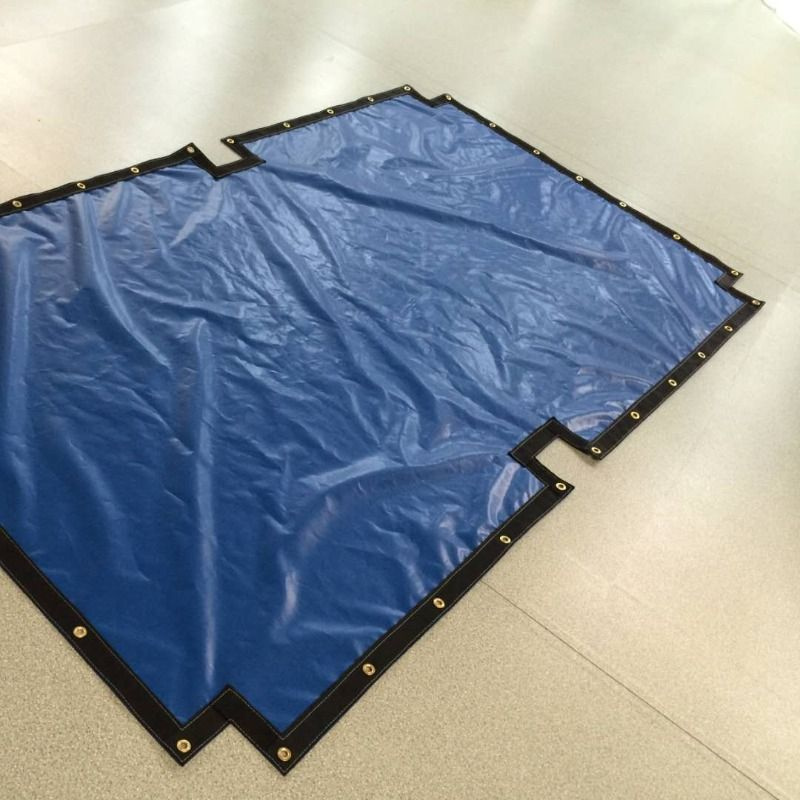
A buyer in Jeddah sends over a one page drawing: an 8 m by 10 m cover, 600 gsm PVC, brass grommets every 50 cm, reinforced corners, and one question typed at the bottom of the email. Should the panels be sewn or welded together? That single sentence decides the price, the lead time, and how the tarp still looks after two summers in direct sun.
Short answer: for PVC coated and PVC laminated tarps, high frequency welding produces a stronger and more watertight seam than stitching. Sewing still has its place, especially on canvas style fabrics, around hardware, and wherever a customer wants field repairability. Most professional customized sewn or welded tarps actually use both methods in the same product, welding the main panel seams and sewing the reinforcements and tie down points.
The rest of this guide explains the reasoning, the specifications worth writing into a purchase order, and the details that most often cause rework when they are left undefined.
Sewn and Welded Joints Side by Side
A welded joint fuses two PVC surfaces under heat and pressure, so the seam becomes part of the coating rather than a line of needle holes punched through it. A sewn seam relies on thread, needle holes, and often a folded hem to reach comparable strength. Each method has a job it does better than the other.
| Joint method | How it works | Where it works best | What to plan around |
|---|---|---|---|
| High frequency welding | PVC layers are fused by radio frequency energy and pressure | Large panel seams, waterproof covers, truck tarps, tent roofs | Needs PVC coating on both faces, so it does not work on bare canvas |
| Hot air welding | Heated air softens the coating, then rollers press the seam flat | Thick 1000D and 1300D fabrics, repair patches, curved seams | Slower than high frequency welding and more dependent on operator skill |
| Sewing with PTFE thread | Panels are stitched with UV stable thread, usually with a folded hem | Canvas tarps, webbing loops, pockets, buckles, rope edges | Needle holes can wick water unless the seam is sealed afterwards |
| Welded seam plus sewn reinforcement | Main seams welded, stress points stitched and bar tacked | Heavy duty covers, corners, grommet lines, tie down points | More production steps, but the longest service life in the field |
What Customization Really Covers
Customized tarps are rarely just a size change. A workable order usually defines at least the following points, and any item left blank becomes an assumption on the factory floor.
- Finished dimensions, plus the cut size allowance for seam take up
- Fabric grade, weight per square meter, and base cloth from 500D to 1300D polyester
- Joint method for panel seams, hems, and hardware attachment
- Grommet spacing, grommet material, and distance from the edge
- Corner reinforcement, webbing loops, D rings, or sewn pockets
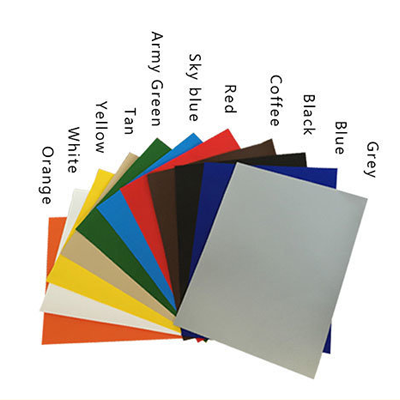
- Color, surface finish, and any printing or branding
- Packaging format and container loading pattern
Fabric Grade Sets the Ceiling on Joint Strength
No joint can outperform the fabric around it. A welded seam on 500D, 550 gsm material behaves very differently from the same seam on 1300D, 650 gsm cloth. Thicker coatings bond more reliably, resist abrasion longer, and hold grommets under higher tension, which is why heavy duty truck tarps, machine covers, and construction screens are almost always specified in the heavier range.
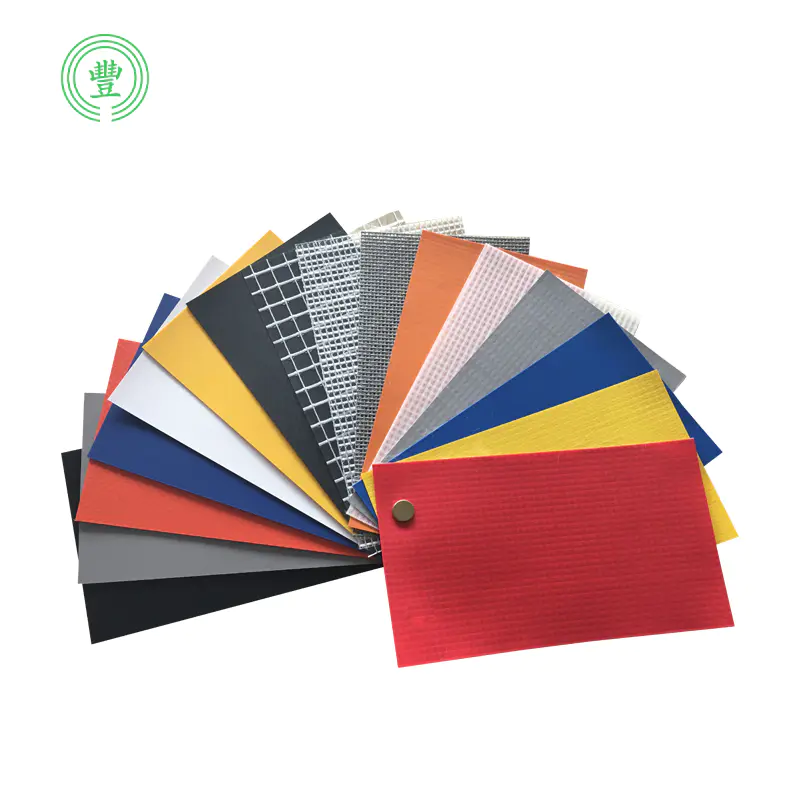
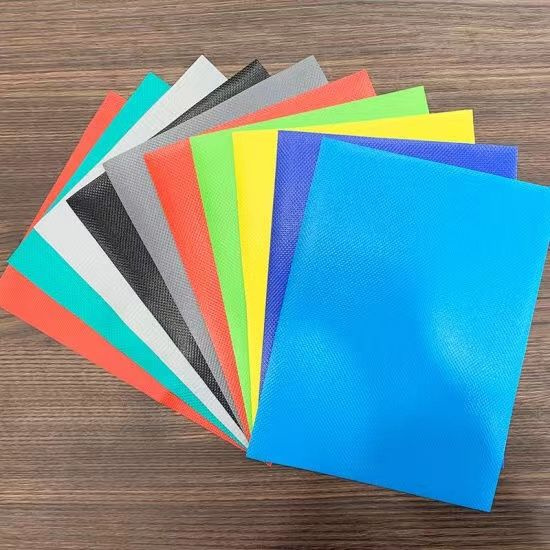
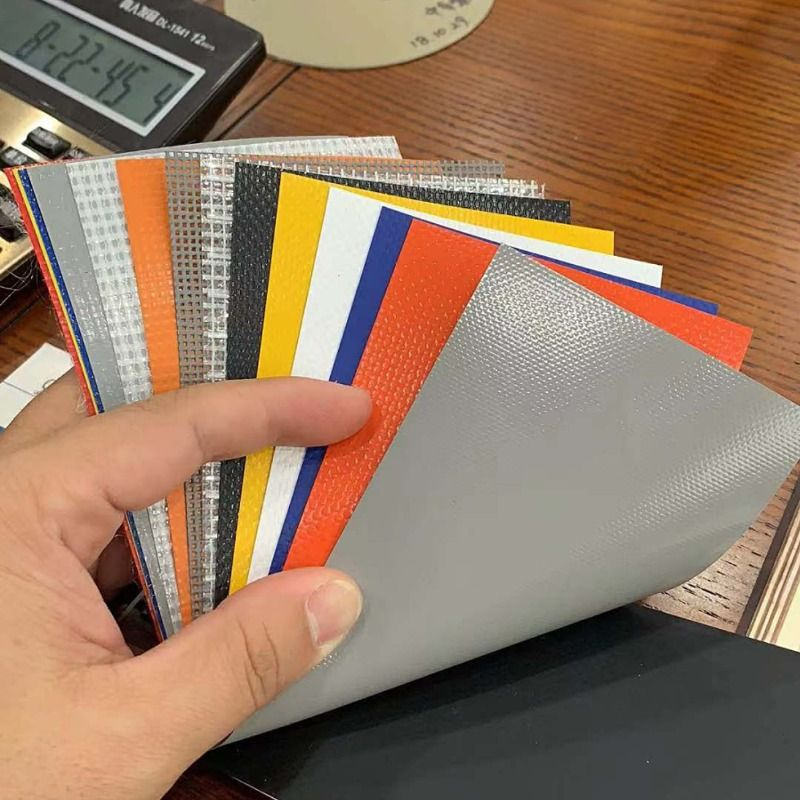
The base cloth underneath the coating, its yarn count, and the weave density all influence how the finished tarp handles tension, puncture, and repeated folding. Coated and laminated constructions also behave differently. PVC coated tarps have the coating pressed into the weave, which gives good tear resistance and a slightly firmer hand. Laminated tarps use a film bonded to the fabric, which usually produces a smoother surface and a very consistent color. Both are available in flame retardant and UV stabilized versions, and the material choice should follow the application rather than the price list.
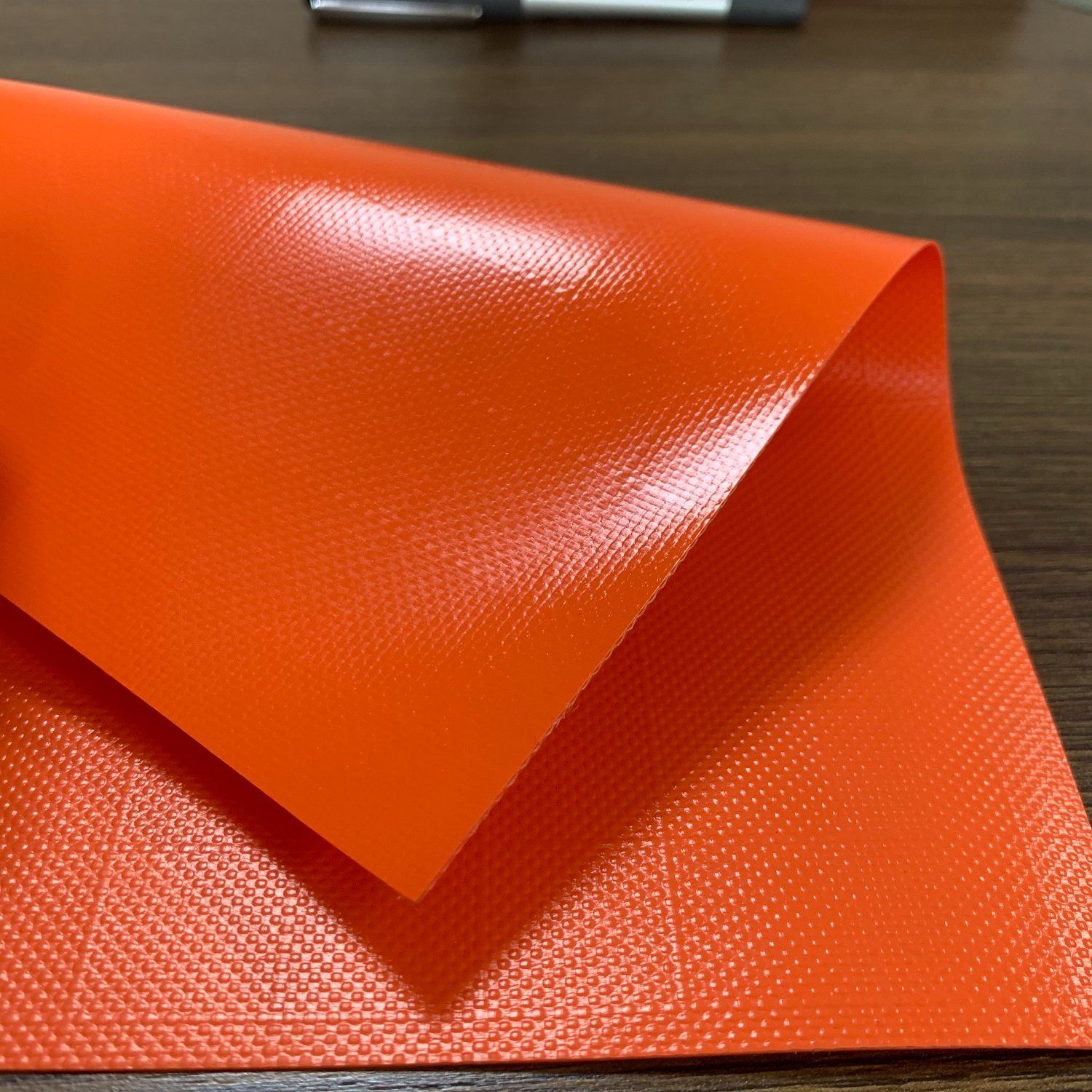
 Waterproof Anti Uv Flame Retardant Heavy Duty Flexible High Strength Pvc Coated Tarpaulin PVC coated tarpaulin is industrial grade for heavy-duty outdoors use. It is waterproof and has high abrasion and tear strength. It is effective against oil, acid, grea...View Product →
If you want a plain language explanation of what sits inside these fabrics, this overview of what tarpaulin fabric is usually made of covers the base cloth and coating layers in more detail.
Spec Details That Prevent Rework
Most disputes on customized tarps trace back to a handful of undefined details. Confirming these before production avoids almost all of them, and it costs nothing compared with remaking a batch.
- Finished size versus cut size: state which one you mean, and agree on a tolerance such as plus or minus 1 percent.
- Grommet schedule: spacing, inside diameter, and whether the rim is brass, stainless steel, or aluminum.
- Hem width and stitching: for example a 5 cm double folded hem with two rows of stitching.
- Joint method by location: panel seams welded, hardware and loops sewn.
- Performance documents: flame retardant test reports or UV data if your market requires them.
- Labeling and packing: piece markings, pallet dimensions, and whether the shipment is a 20 ft or 40 ft container.
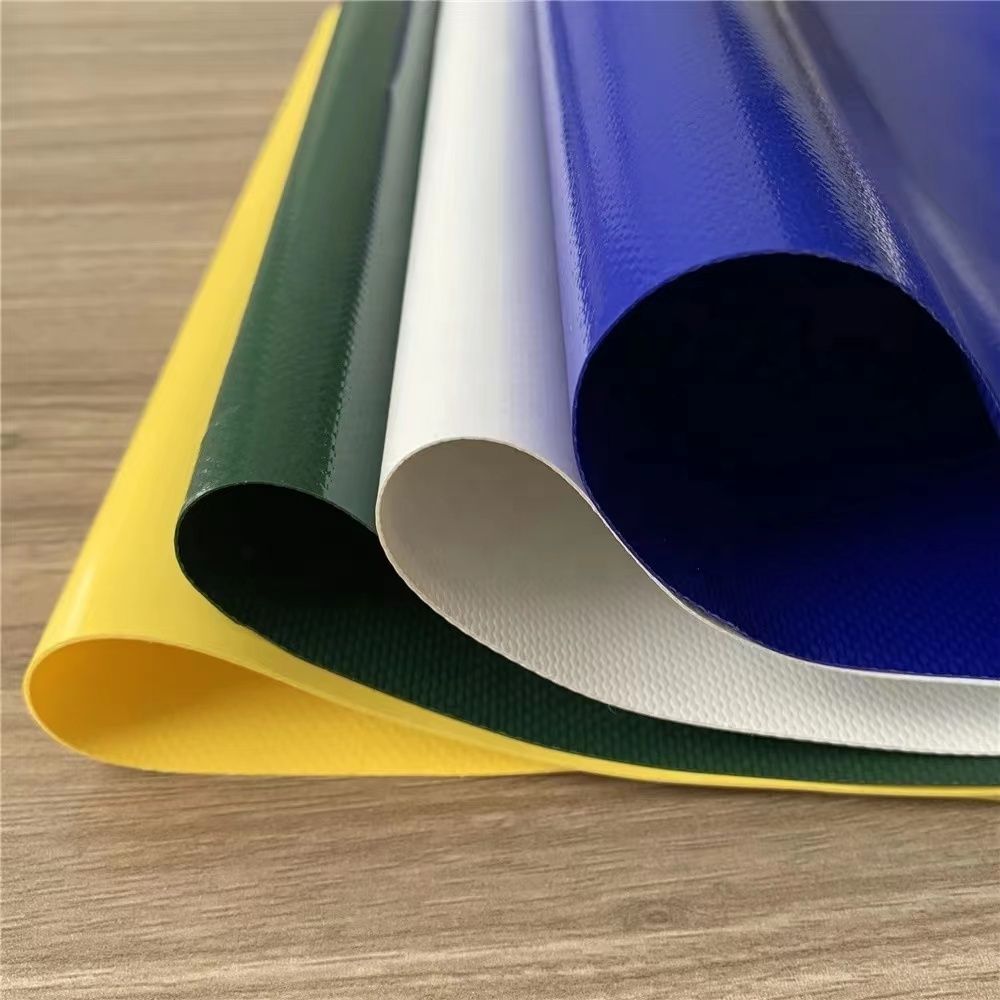
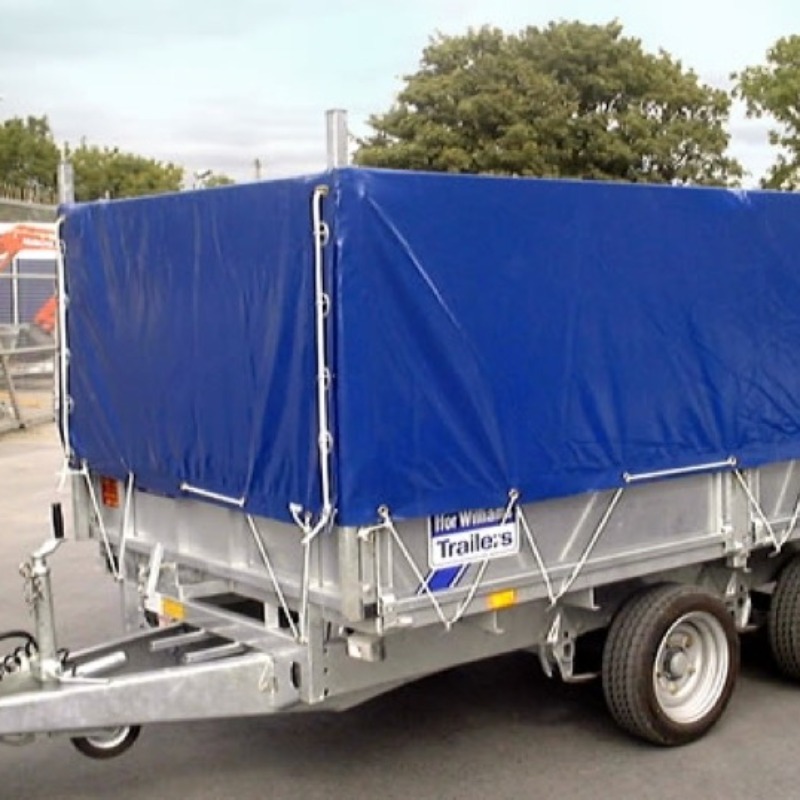
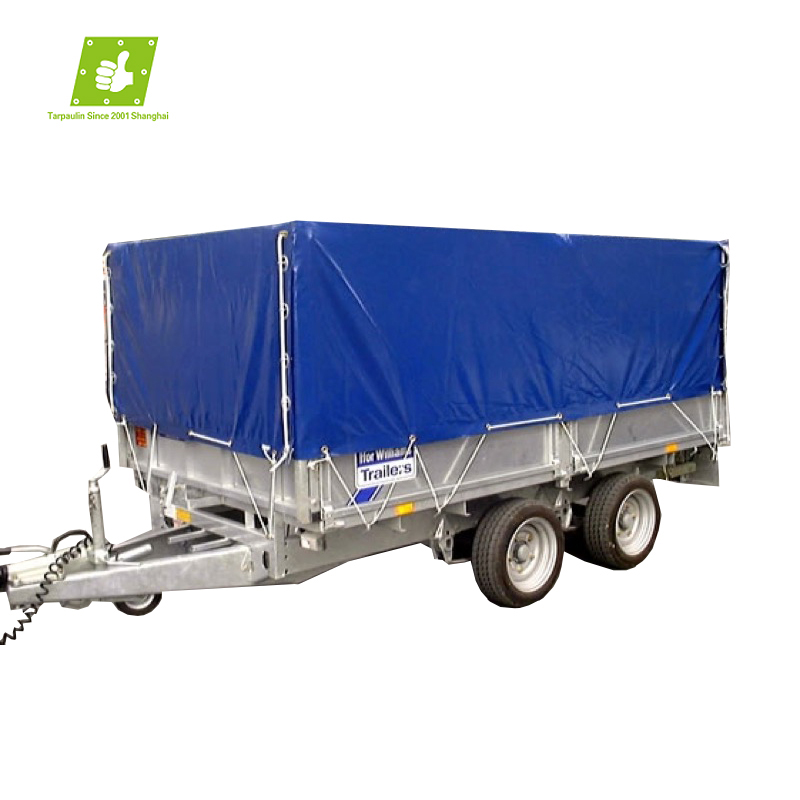
 Waterproof Heavy duty polyester tent awning fabric Finished tarp waterproof pvc truck traiFinished PVC tarpaulin is a large piece of waterproof material commonly used to protect things from damage. It is waterproof ,durable, affordable, and versatile, They ...View Product →
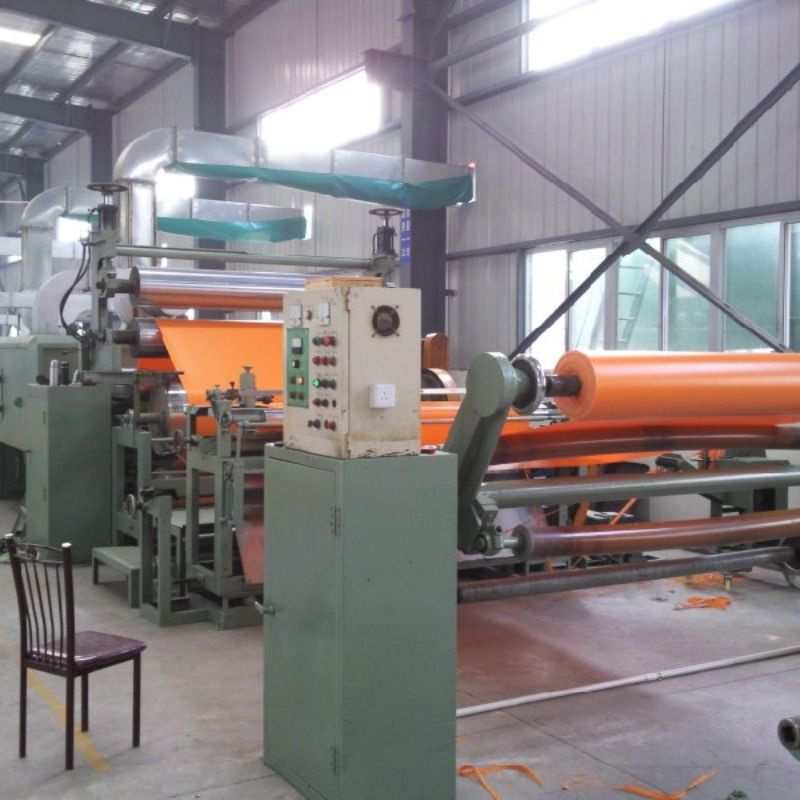
Finished tarps made from your own fabric specification remove one more layer of uncertainty, because the same line that coats the cloth also cuts, welds, and sews the final product.
Flame Retardant, UV, and Market Specific Requirements
Requirements shift by destination. Outdoor covers used in Malaysia, Thailand, and Saudi Arabia spend their life under intense UV and heavy rain, so UV stabilizers and well executed welded seams matter more than cosmetic finish. Buyers in those markets often ask for canvas style tarps in tent and truck cover formats, with welding on the main panels and reinforcement at every tie down point.
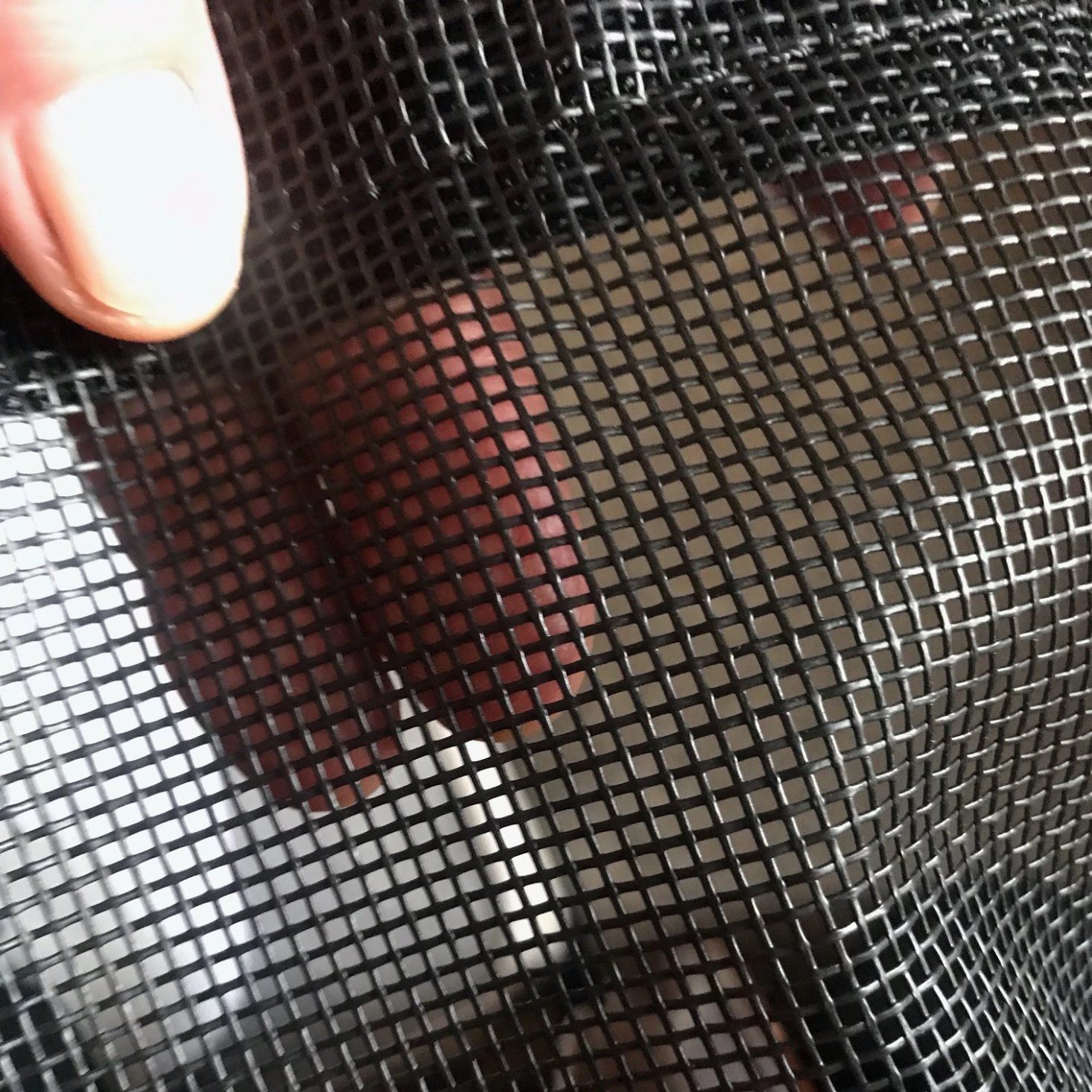
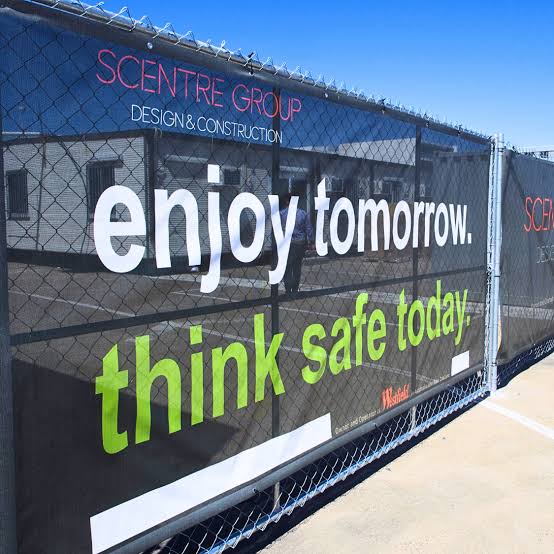
Flame retardant specifications appear more often for construction fencing, warehouse curtains, and event structures. These need formal documentation rather than a verbal assurance, and the additive package has to be built in at the coating stage. It cannot be added afterwards. For temporary barriers and site screening, open weave materials such as PVC mesh fabric are often a better fit than solid sheeting, because wind passes through instead of loading the frame.
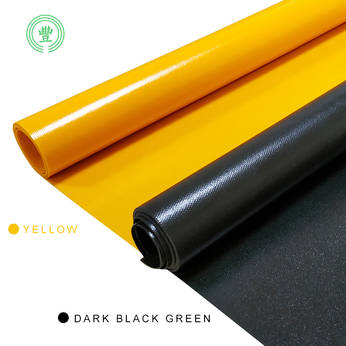
 18oz 600gsm Waterproof Heavy Duty Vinyl Coated Polyester Tarp Fireproof Flame Retardant PVPVC coated tarpaulin is industrial grade for heavy-duty outdoors use. It is waterproof and has high abrasion and tear strength. It is effective against oil, acid, grea...View Product →
A typical flame retardant specification in this class is an 18oz, 600 gsm vinyl coated polyester, which balances weight, welding behavior, and fire performance for covers that stay outdoors year round.
Checks Before the Container Leaves the Factory
Whether the tarp is welded, sewn, or both, the same basic checks catch problems while there is still time to correct them.
- Weld peel test on a sample seam taken from the production run
- Grommet pull test at corners and at mid span
- Finished dimension measurement against the approved drawing
- Visual inspection in daylight for coating gaps, wrinkles, and color variation
- Weight verification per piece and per roll against the order sheet
- Packing check, including protection against container condensation
Ask for photos or a short video of the inspection. It is a reasonable request on any customized order above a few hundred pieces, and a supplier with its own coating, cutting, welding, and sewing equipment can usually provide it without disrupting the schedule.
Getting an Accurate Quote the First Time
The fastest route to a usable price is to send the drawing, the fabric grade, the joint method, the quantity, and the destination port in one message. If the drawing is not ready, describe the job in plain terms: what the tarp covers, how it is fixed down, how long it should last, and what weather it faces.
A manufacturer that controls its own PVC coating and finishing lines, such as Qidong Good Tarpaulin Co., Ltd. in Qidong, Jiangsu, can then propose a fabric and joint combination that matches the service life you actually need instead of guessing at a cheaper material that fails in the second season.
Send your specifications through the Request A Quote form and include any test requirements up front. Confirming a grommet spacing by email takes five minutes. Reworking five hundred finished covers takes a quarter.