
Call Us
+86-18962820095

 Español
Content
- 1 What the Custom Part Actually Covers
- 2 Four Specifications That Decide Service Life
- 3 Coated and Laminated: A Choice With Repair Consequences
- 4 Matching the Cover to the Job
- 5 Sizing, Tolerance and the Details That Get Forgotten
- 6 What to Put in a Quote Request
- 7 Checks Before a Bulk Order Ships
- 8 Questions Buyers Ask Most Often
Replacing tarps for a working fleet rarely goes the way the first purchase order suggests. A haulage company orders forty flatbed covers described only as heavy duty PVC, they arrive on schedule, and within one season the corners are torn, the grommets have pulled through, and the covers flap hard enough at highway speed that drivers stop using them. The cloth was not the problem. The specification was. The finished length had been cut to a nominal figure with no allowance for relaxation, the grommet spacing did not match the rope hooks on the trailer, and the hem was a single fold with nothing reinforcing the rub points.
The conclusion first: a custom transportation tarp should be ordered as a set of numbers and construction details, not as a product name. Four of those numbers decide most of the outcome. They are the base fabric count in denier, the coating weight in grams per square meter or ounces per square yard, the finished size including a stated tolerance, and the hardware layout along the edges. Get those four right and the rest of the order, from color to printing to carton design, becomes straightforward.
What the Custom Part Actually Covers
Custom in this market does not mean one single piece. It means the factory cuts, welds or sews to a drawing instead of shipping a stock size from the shelf. For transport work, the variables normally discussed at quotation stage are:
- Finished length and width per piece, with the measuring convention agreed, for example edge to edge including the hem.
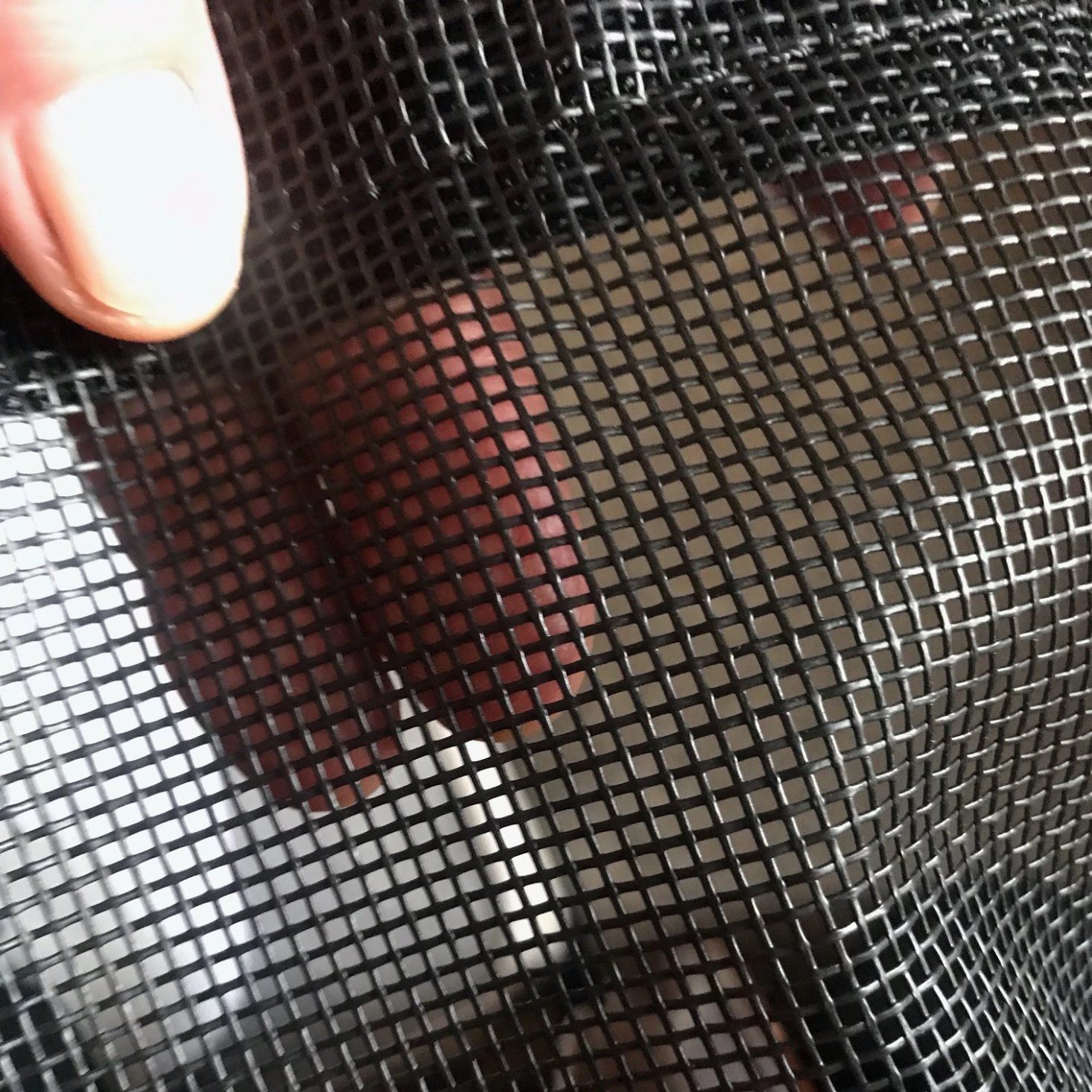
- Base fabric, most often polyester woven in 500D, 840D, 1000D or 1300D, since higher yarn counts usually raise tear strength and weight.
- Coating weight and method, such as 550 gsm, 600 gsm or 650 gsm, applied into the weave or laminated as a film.
- Functional treatment, meaning UV stabilization, flame retardant additives, or both.
- Edge construction, including hem depth, reinforced corners, webbing loops, D-rings, buckles and rope.
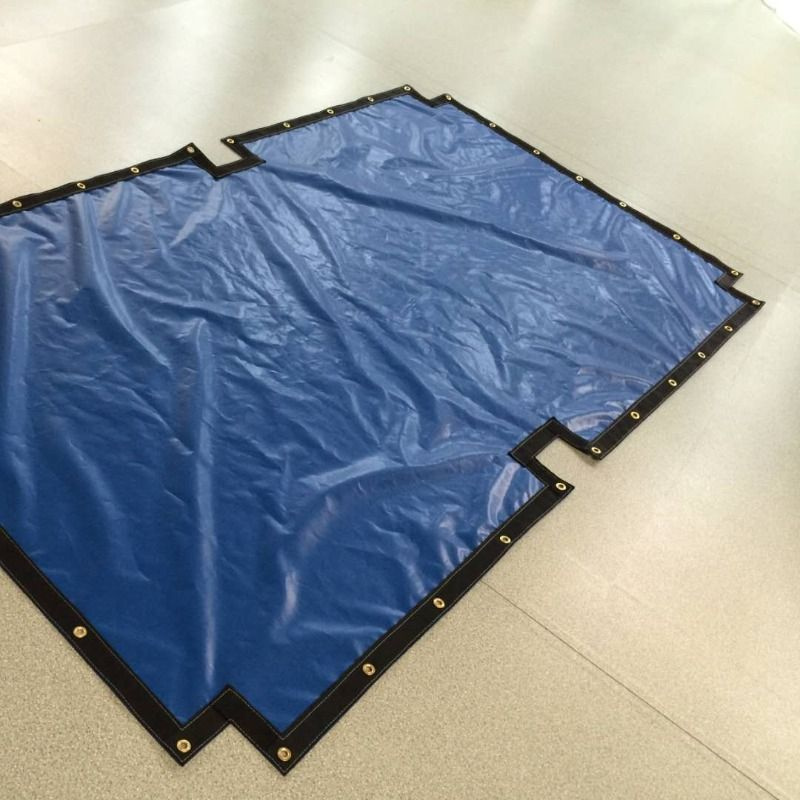
- Grommet type, diameter and spacing, plus the offset of the first grommet from each corner.
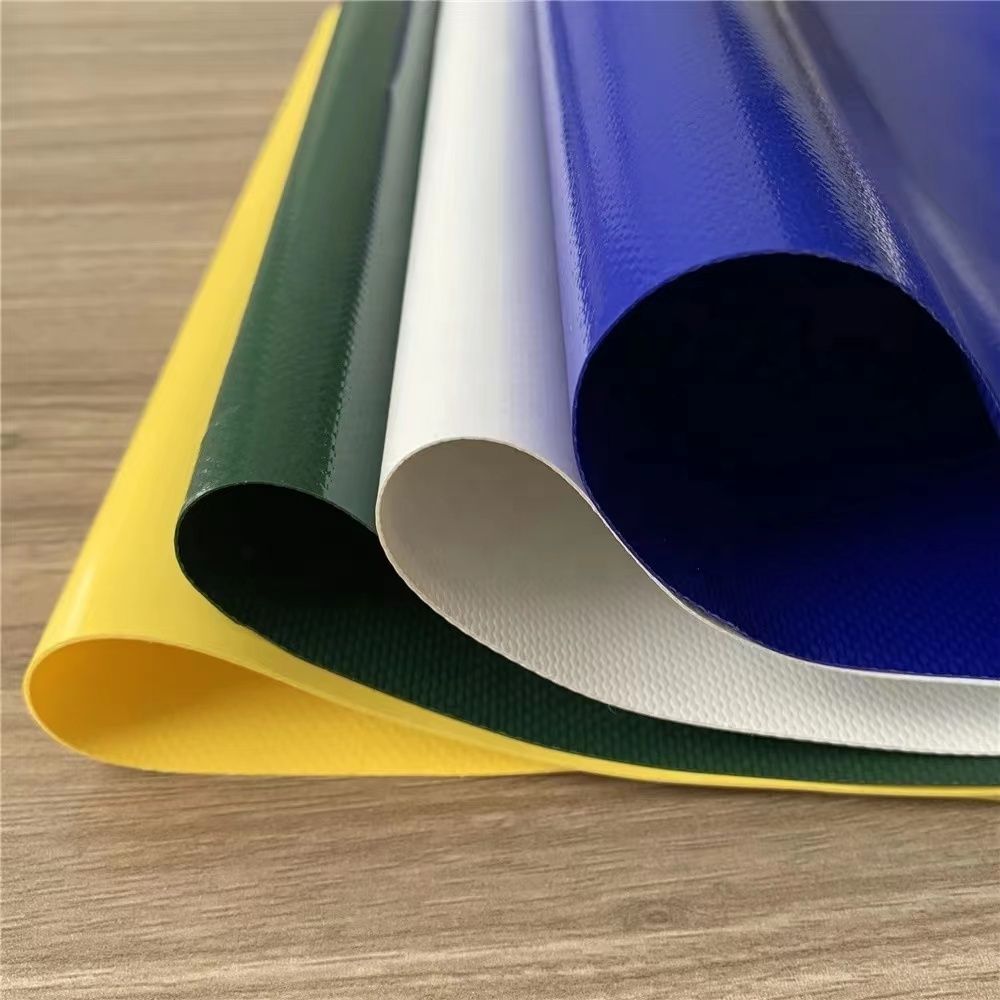
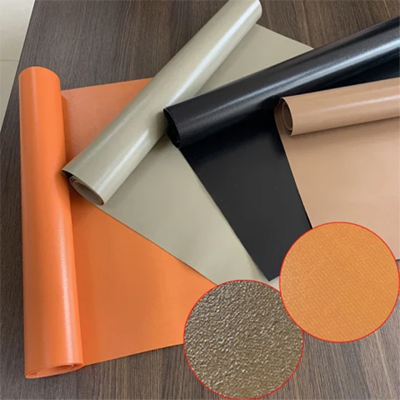
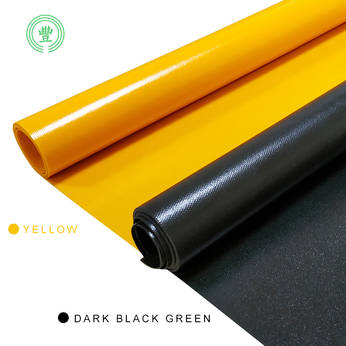
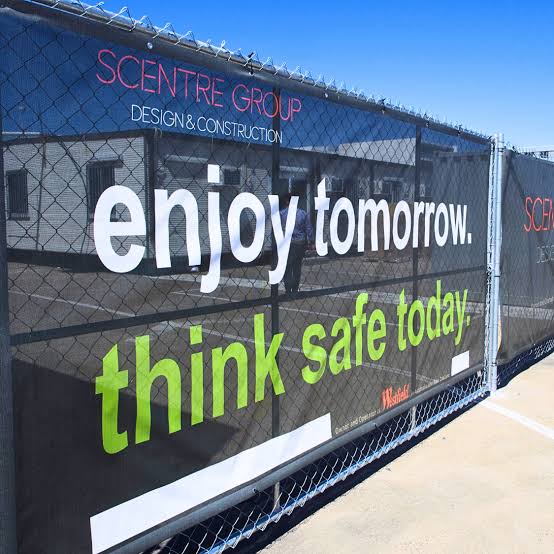
- Color, and printing if the cover has to carry company identification.
Each item has a price effect, but the ones that cause claims are the ones touching fit and attachment. A cover that cannot be tied down properly will fail no matter how good the fabric is.
Four Specifications That Decide Service Life
Buyers comparing three quotations often believe they are comparing the same product at different prices. Usually they are not. The table below lists the values that legitimately vary between offers for an identical nominal size, and what each one changes on the road.
| Specification | Values commonly quoted | What it changes in use |
|---|---|---|
| Base fabric | 500D, 840D, 1000D or 1300D polyester weave | Higher yarn counts generally raise tear strength and weight; 500D suits light covers, while 1000D and above is common for flatbed and dump truck work |
| Coating weight | 550 gsm, 600 gsm, 650 gsm, or 18oz per square yard at about 600 gsm | More coating improves abrasion resistance and stiffness; too much weight makes a large cover difficult for one driver to handle |
| Coating method | Coated into the weave, or laminated film | Coated cloth welds and repairs well and resists abrasion; laminated cloth is smoother and softer where covers are folded repeatedly |
| Functional treatment | UV stabilization, flame retardant, both, or neither | UV treatment slows fading and embrittlement outdoors; flame retardant grades matter near hot equipment or where a site rule applies |
| Hardware layout | Grommet spacing, corner offset, hem depth, corner patches | Decides whether the cover can be tied down tightly; loose attachment causes flutter and tears the hem from the inside |
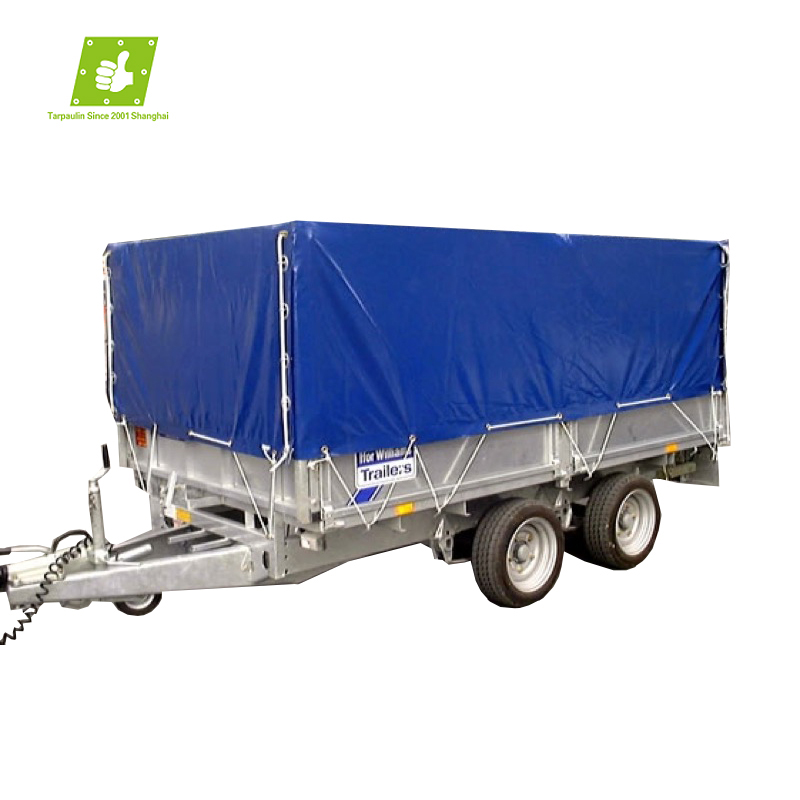 Waterproof Anti Uv Flame Retardant Heavy Duty Flexible High Strength Pvc Coated Tarpaulin PVC coated tarpaulin is industrial grade for heavy-duty outdoors use. It is waterproof and has high abrasion and tear strength. It is effective against oil, acid, grea...View Product →
For general transport duty, a coated, UV stabilized, flame retardant cloth in the 600 gsm range is a sensible starting point. It is also worth comparing how the same cloth behaves across the wider PVC tarpaulin range before the specification is frozen, because a small change in weight or treatment can shift both the unit price and the service life.
Coated and Laminated: A Choice With Repair Consequences
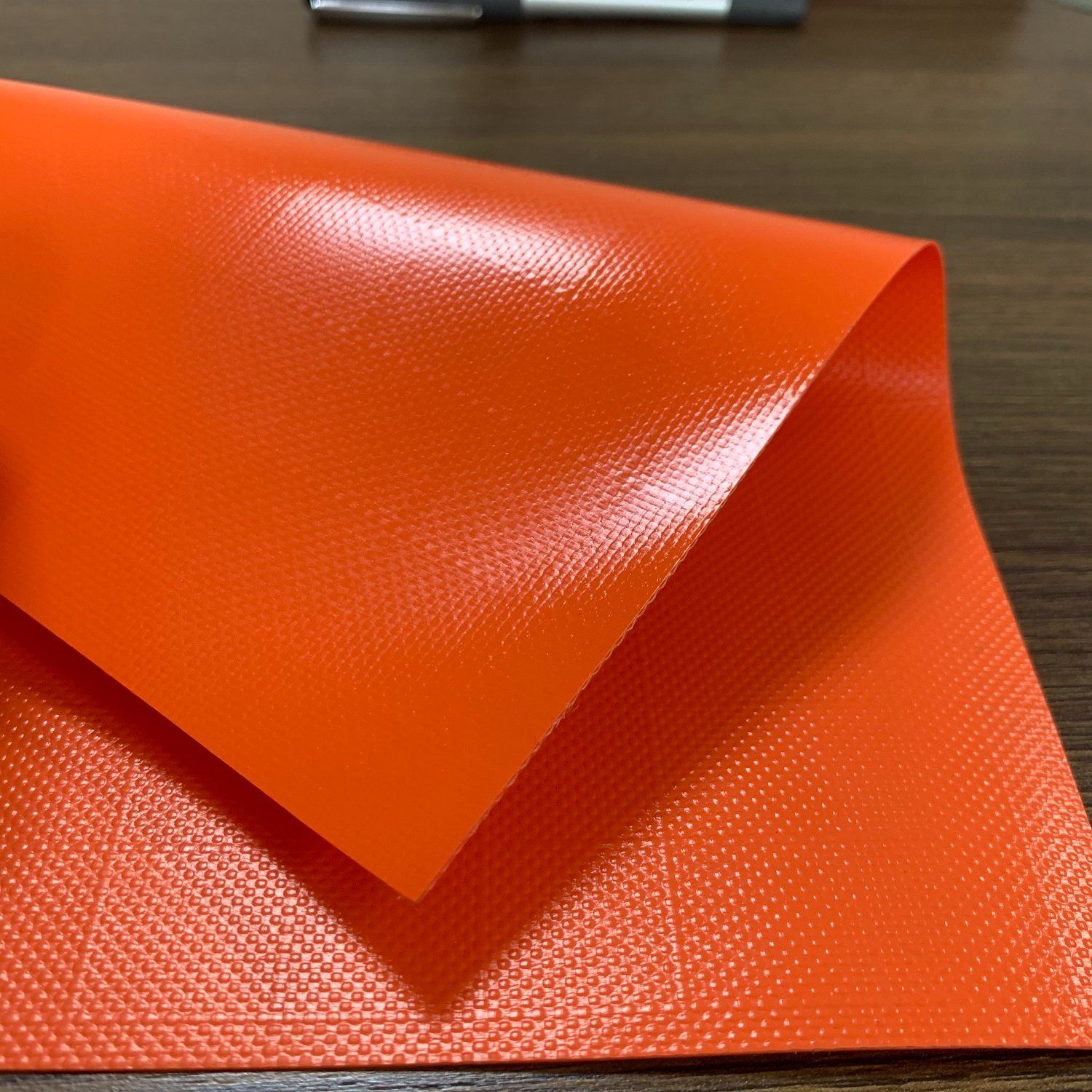
Coated and laminated covers can look identical in a photograph and behave differently in a yard. In a coated construction, PVC paste is applied into the woven polyester and cured, so coating and yarn interlock. That normally gives better abrasion resistance and stronger welded seams, which matters when a cover is dragged across a trailer rail or repaired on site with a hot air welder.
In a laminated construction, a PVC film is bonded to the fabric. The result is smoother, softer and easier to fold, which helps where covers are rolled and stored by hand or where the cloth is converted into tents and awnings. The trade-off is that the bond line, not the fabric, becomes the weak point under repeated flexing over sharp edges.
Neither approach is wrong. The mistake is ordering laminated cloth for a job that needs welded reinforcement, or coated cloth for a product that has to drape and pack tightly. Yarn count and weave set the ceiling for everything that follows, which is why it helps to know what tarpaulin fabric is usually made of before choosing the coating.
Matching the Cover to the Job
Transportation is a broad word, and the same supplier may be asked for a flatbed cover, a machine cover and a pallet cover in one week. Attachment method, not fabric, usually separates them.
Flatbed and trailer covers
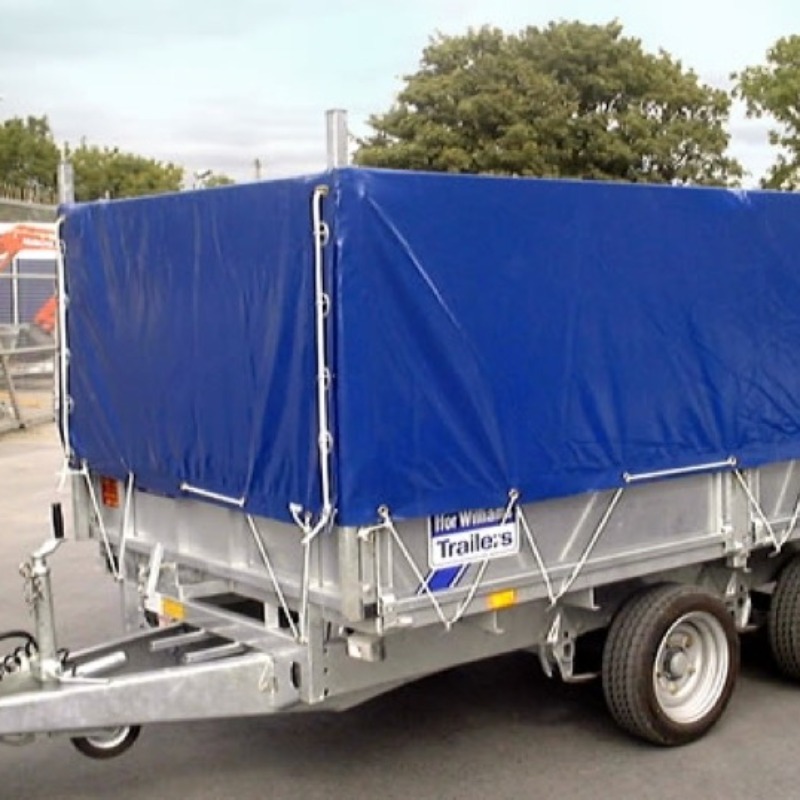
These are measured to the trailer, not to the load. The cover needs enough drop to cover the rails and enough slack at the corners for a driver to pull it without tearing. A rope hem with grommets matching the hook pattern is the common approach, with reinforced corners and webbing loops along the middle for a belly strap.
Dump truck and roll-off covers
Automatic and semi automatic systems pull the cover from one side, so the fabric is loaded in the same direction every cycle. Abrasion resistance at the leading edge and consistent width matter more than absolute weight. A cover that is 5 cm too wide will rub on the rail and wear through at the fold line.
Machinery, equipment and pallet covers
These are often cut and sewn to a fixed shape with corner gussets, drawstrings or eyelets for lacing. Pallet covers stay in a warehouse or yard, so UV exposure is lower while handling is frequent, which pushes the choice toward a softer laminated cloth with reinforced eyelet panels.
 Waterproof Heavy duty polyester tent awning fabric Finished tarp waterproof pvc truck traiFinished PVC tarpaulin is a large piece of waterproof material commonly used to protect things from damage. It is waterproof ,durable, affordable, and versatile, They ...View Product →
Sizing, Tolerance and the Details That Get Forgotten
Two tarps can carry the same nominal size and fit differently. Ask for these points in writing:
- The measuring convention, meaning whether the stated size includes the hem or is the cut size before hemming.
- The finished size tolerance, stated as plus or minus a figure; an offer promising an exact size should be treated with suspicion, because coated fabric relaxes after welding and folding.
- Grommet spacing and the position of the first grommet from each corner.
- Hem depth, and whether corners carry a double layer patch.
- Thread and stitch type on sewn edges, including UV resistant thread and a double row where fabric meets hardware.
- Hardware material, such as aluminum or brass grommets, and whether D-rings or buckles are included.
On a flatbed cover, grommet spacing alone can decide whether drivers use the tarp at all. If hooks sit every 60 cm and grommets every 90 cm, the cover will be tied down loosely, it will balloon at speed, and the flutter will tear the hem from the inside out.
What to Put in a Quote Request
Factories quote faster and more accurately when an enquiry reads like a production instruction rather than a request for a price. A complete request usually contains:
- Quantity per size, and whether mixed sizes are acceptable in one shipment.
- Finished size per piece plus tolerance.
- Base fabric denier and coating weight, or a sample weight if an existing tarp is being matched.
- Color, and whether a physical color standard will be supplied.
- Grommet spacing, hem depth and reinforcement requirements, ideally with a dimension drawing.
- Printing or stenciling, including position and size.
- Packaging, labeling and destination port, since these affect freight and carton design.
- Required delivery window, and whether a pre shipment sample is expected.
If the existing tarp still works, sending it or a cut corner to the factory is faster than describing it. A supplier can weigh the coating, count the yarn and copy the grommet layout from the physical piece, which removes most of the guesswork from the quotation.
Checks Before a Bulk Order Ships
Inspection at the factory is cheaper than a claim after arrival. Most problems show up in a short list of checks:
- Measure two or three finished pieces against the drawing, including the diagonal, to catch a skewed cut.
- Weigh one piece and compare grams per square meter with the agreed figure; this catches a lighter cloth being substituted.
- Run a weld or seam peel check on a sample, plus a grommet pull check at a corner.
- Compare color against the approved standard in daylight rather than under warehouse lighting.
- Confirm flame retardant or UV documentation where required, and check that the certificate matches the batch.
- Check folding, carton labeling and packing list before the container is sealed.
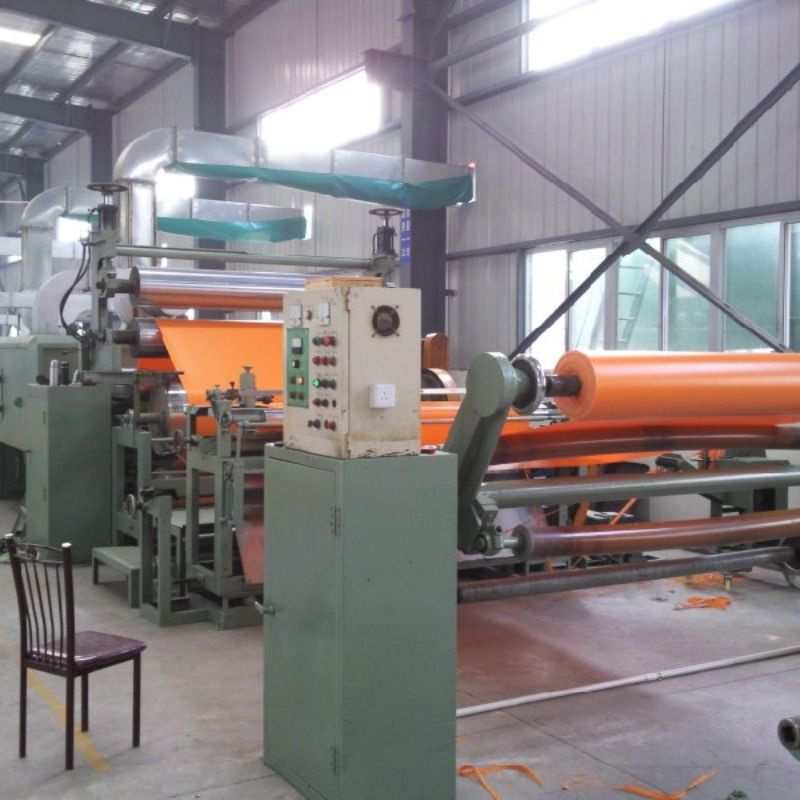 18oz 600gsm Waterproof Heavy Duty Vinyl Coated Polyester Tarp Fireproof Flame Retardant PVPVC coated tarpaulin is industrial grade for heavy-duty outdoors use. It is waterproof and has high abrasion and tear strength. It is effective against oil, acid, grea...View Product →
Questions Buyers Ask Most Often
How long should a transportation tarp last?
Service life depends on attachment and handling more than on a label. A correctly sized cover, tied down at the right spacing and stored out of direct sun when not in use, generally outlasts a heavier cover left loose on a trailer or dragged on the ground. UV exposure, road salt and repeated folding at the same crease line are the usual causes of early failure.
Can one size serve several trailer types?
Often yes, within limits. Designers start from the largest trailer footprint and then check whether the smaller trailers can still be secured with the same grommet pattern. If the width difference is significant, two sizes are usually cheaper than one compromise.
Is heavier always better?
No. Weight adds abrasion resistance and stiffness, but it also adds handling effort, freight cost and fold memory. For covers handled by one person, a moderate weight around 600 gsm with good reinforcement often performs better day to day than a very heavy cloth with thin edges.
Transportation tarps fail for boring reasons: a size cut to the wrong convention, a grommet layout that never matched the trailer, a hem too thin for the rub point, or a cloth lighter than the quotation implied. None of those problems are solved by a stronger claim on a product page. They are solved before the order is placed, by writing down denier, coating weight, finished size with tolerance and hardware layout, then checking the first production pieces against that document.