
Call Us
+86-18962820095

 Español
Content
- 1 What UV Protection Mechanisms Ensure Long-Term Outdoor Protection?
- 2 What Material and Coating Formulations Enhance UV Resistance and Protection?
- 3 What Physical Performance Indicators Maximize Outdoor Protection?
- 4 How to Match Tarpaulin Specifications to Outdoor Item Types?
- 5 What Testing Standards and Durability Metrics Validate Protection Efficacy?
What UV Protection Mechanisms Ensure Long-Term Outdoor Protection?
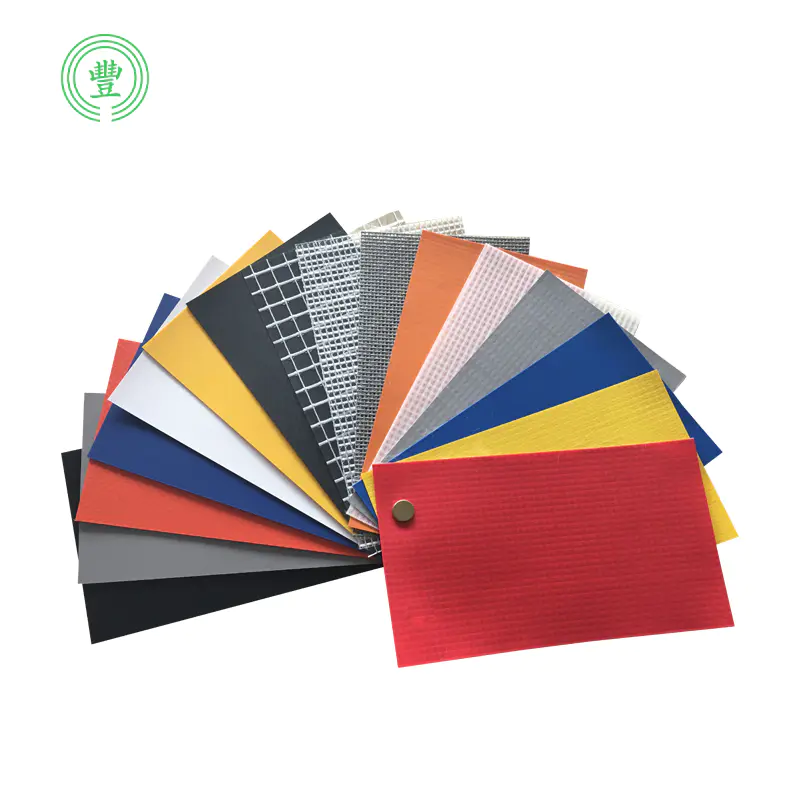
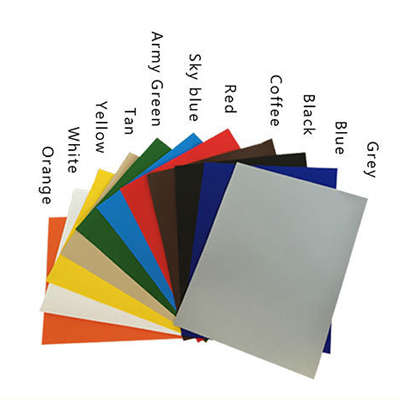
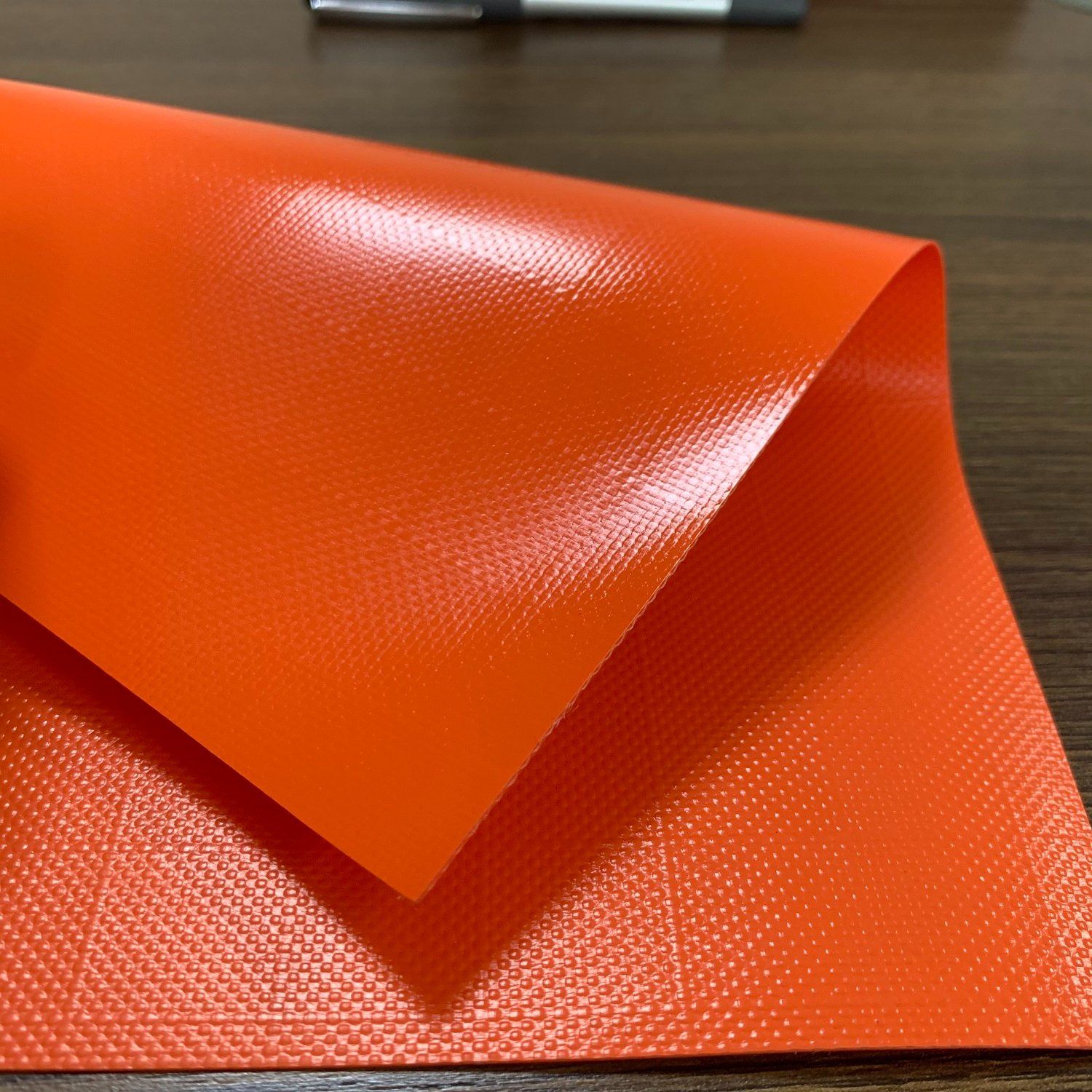
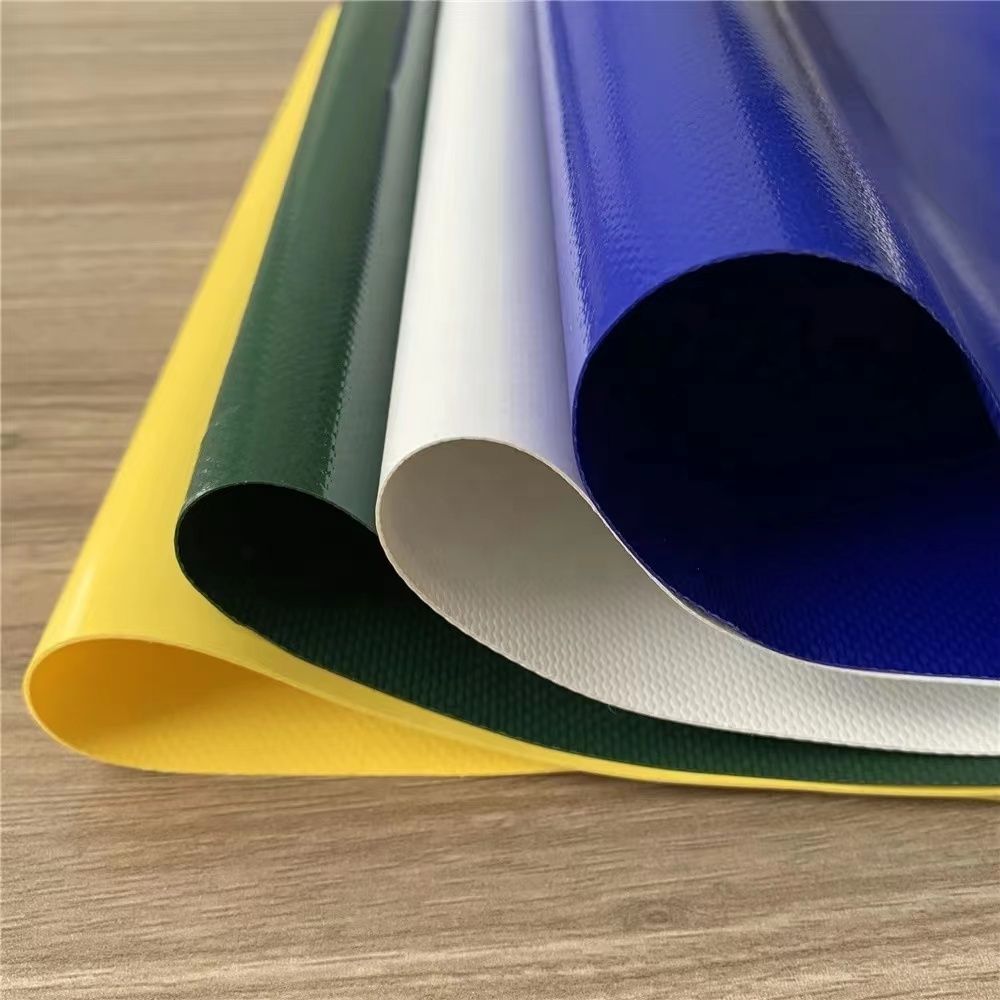
High-performance UV resistant PVC tarpaulins rely on dual protection mechanisms to shield outdoor items from solar radiation. Integrated UV stabilizers (e.g., benzophenones, hindered amine light stabilizers) absorb or deflect 95%+ of UVA/UVB rays (280-400 nm), preventing degradation of both the tarpaulin itself and the items underneath. The PVC film’s thickness (≥0.4 mm) acts as a physical barrier, with thicker layers enhancing UV blocking—tarpaulins with 0.5-0.8 mm thickness typically offer 3-5 years of UV protection, compared to thinner films (≤0.3 mm) that degrade within 1-2 years. Additionally, pigmented PVC formulations (e.g., white, silver, dark green) reflect or absorb UV rays: light colors reflect up to 70% of solar radiation, reducing heat buildup, while dark colors absorb UV but require higher stabilizer concentrations to maintain durability. These mechanisms work synergistically to prevent fading, brittleness, and structural breakdown of both the tarpaulin and protected items.
What Material and Coating Formulations Enhance UV Resistance and Protection?
The protective efficacy of UV resistant PVC tarpaulins is determined by specialized material and coating designs. PVC resin blended with plasticizers (e.g., phthalate-free DINP) maintains flexibility in extreme temperatures (-30°C to 70°C), avoiding cracking that can expose items to UV and moisture. Reinforced fabrics (polyester or nylon scrim) with high tensile strength (≥300 N/5cm) add structural integrity, preventing tearing from wind or handling while supporting the UV-resistant PVC layer. Double-sided UV coatings (outer layer for UV blocking, inner layer for moisture resistance) create a barrier against multiple environmental stressors, with hydrophobic treatments (contact angle ≥110°) repelling water to prevent mold growth on protected items. Additionally, anti-aging additives (antioxidants, heat stabilizers) slow PVC degradation from UV-induced oxidation, extending the tarpaulin’s service life and ensuring consistent protection over time.
What Physical Performance Indicators Maximize Outdoor Protection?
Superior UV resistant PVC tarpaulins must excel in physical properties that complement UV protection, safeguarding items from comprehensive outdoor hazards. Tear resistance (≥150 N) and tensile strength (≥500 N/5cm) withstand wind loads and mechanical stress, preventing punctures or rips that compromise coverage. Water resistance (hydrostatic head ≥5,000 mm) ensures complete waterproofing, protecting items from rain, dew, and humidity—critical for electronics, furniture, or machinery. Dimensional stability (shrinkage ≤2% after 500 hours of UV exposure) maintains a tight fit over items, avoiding sagging that can trap moisture. Additionally, flame retardancy (UL 94 V-2 rating) adds safety for outdoor storage near heat sources, while chemical resistance (resistance to acids, alkalis, and oil) protects items in industrial or agricultural settings. These physical properties work with UV resistance to provide all-around protection.
How to Match Tarpaulin Specifications to Outdoor Item Types?
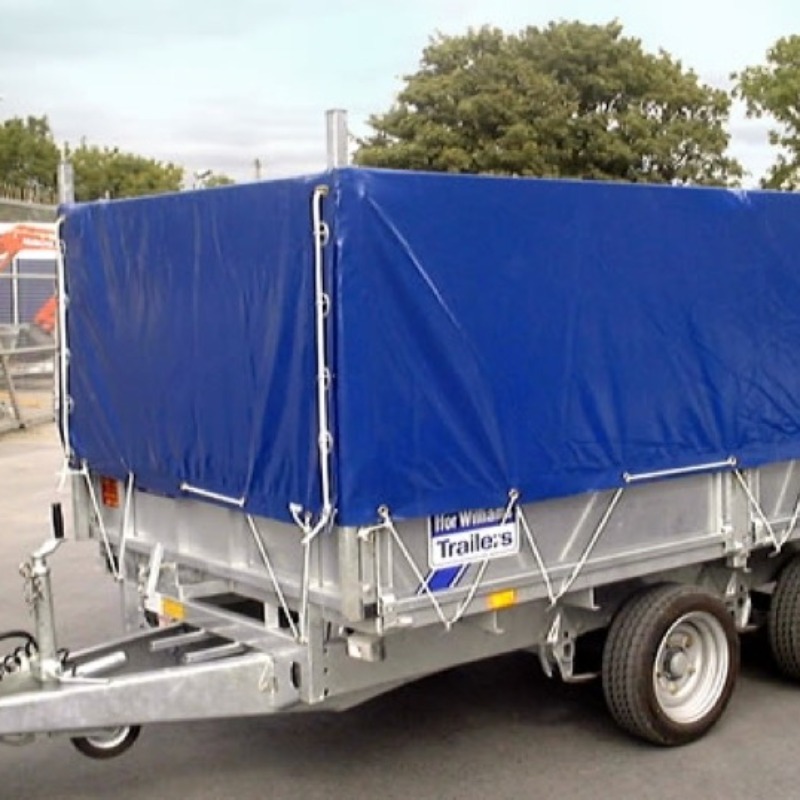
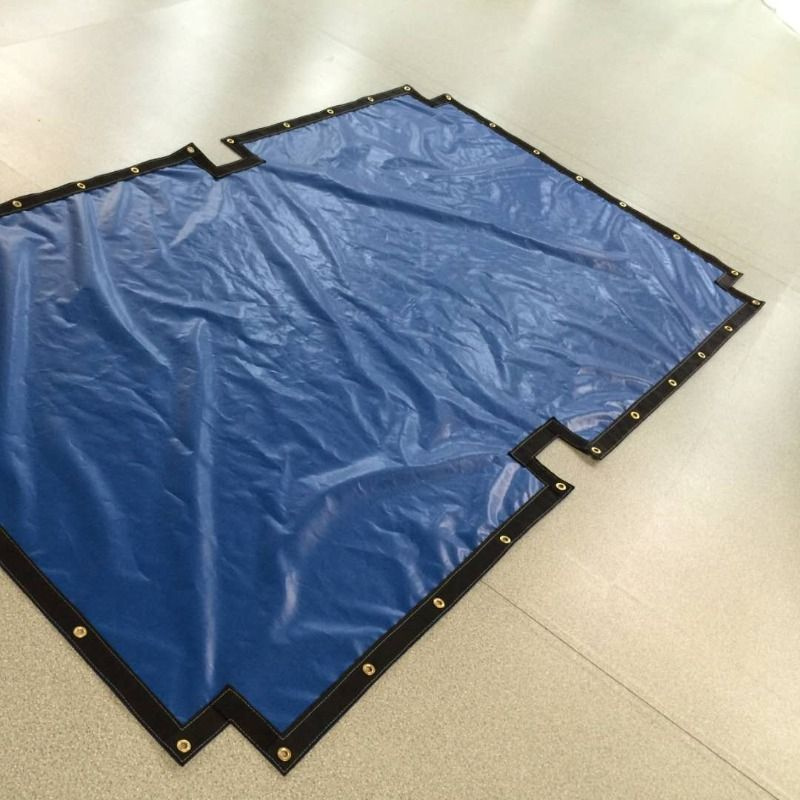
Tailoring UV resistant PVC tarpaulins to specific items ensures targeted, effective protection. For large equipment (e.g., construction machinery, boats), heavy-duty tarpaulins (0.6-0.8 mm thickness, reinforced edges with grommets every 50 cm) offer robust UV and physical protection, with secure fastening to withstand high winds. Furniture and outdoor decor benefit from medium-weight tarpaulins (0.4-0.5 mm thickness) with soft inner linings (non-abrasive PVC) to prevent scratching, paired with UV stabilizers to avoid fading of wood or fabric. Agricultural items (e.g., hay, crops) require breathable UV resistant tarpaulins (micro-perforated PVC) that block UV while allowing moisture evaporation, preventing rot. For delicate items (e.g., electronics, textiles), lightweight yet durable tarpaulins (0.35-0.4 mm thickness) with high UV blocking (≥98%) and moisture resistance protect against both radiation and humidity, without adding excessive weight.
What Testing Standards and Durability Metrics Validate Protection Efficacy?
Reliable UV resistant PVC tarpaulins must meet rigorous standards to confirm their ability to protect outdoor items. UV resistance testing (ASTM G154 or ISO 4892) involves 1,000+ hours of accelerated UV exposure, with minimal degradation (tensile strength retention ≥80%, color change ΔE ≤5) indicating effective protection. Weathering tests (temperature cycling, rain exposure) verify performance in real-world conditions, ensuring the tarpaulin remains intact and functional. Water resistance compliance with ISO 811 or AATCC 22 guarantees no water penetration. Additionally, durability tests (abrasion resistance ≥5,000 cycles per Martindale test) confirm the tarpaulin can withstand repeated use and handling. Third-party certifications (e.g., REACH, RoHS) ensure the absence of harmful substances that could leach onto protected items, making the tarpaulin safe for both the environment and valuable possessions.