
Call Us
+86-18962820095

 Español
Content
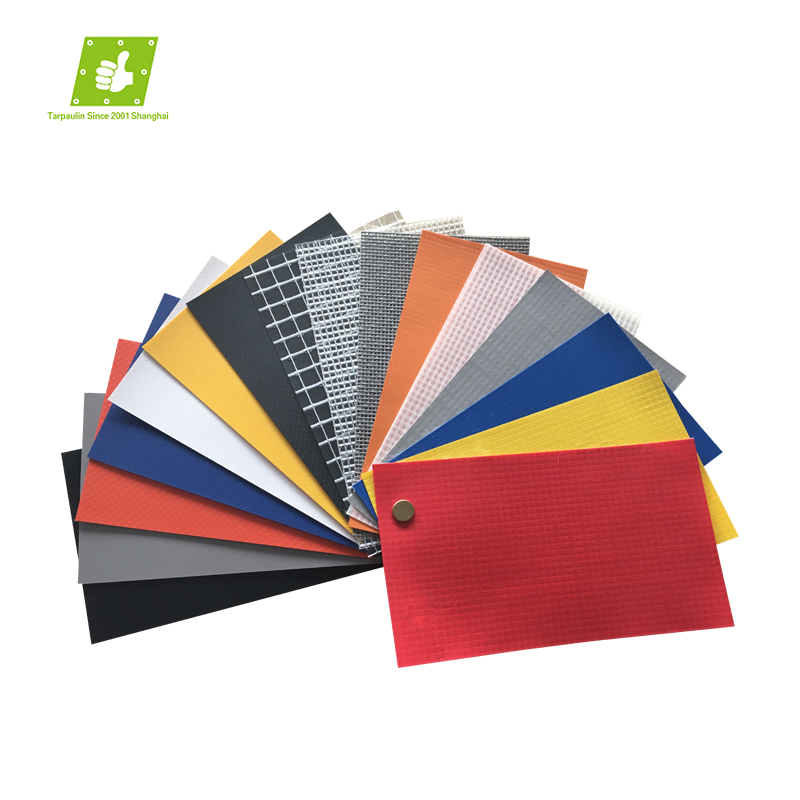
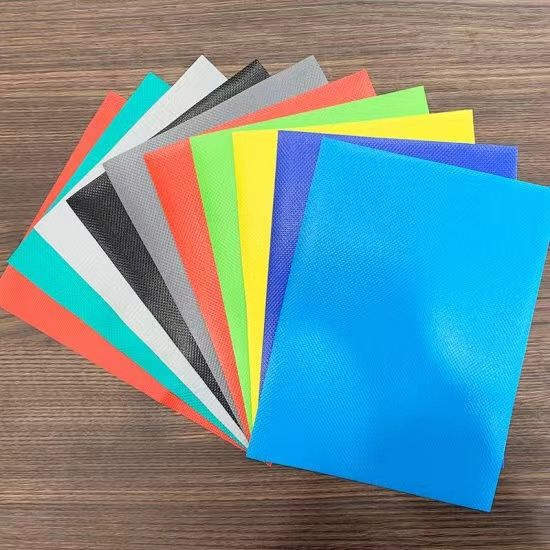
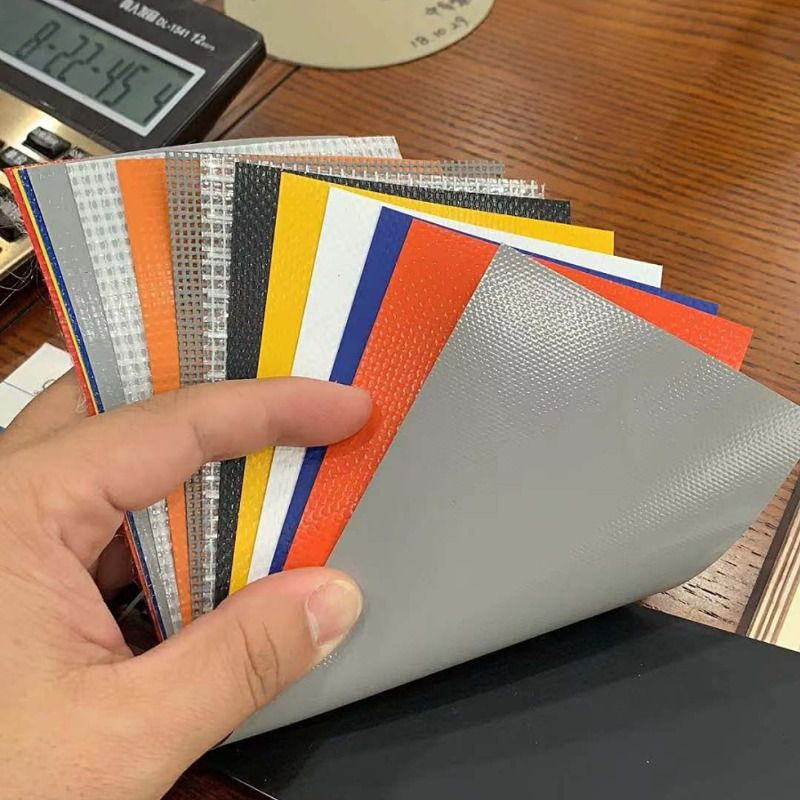
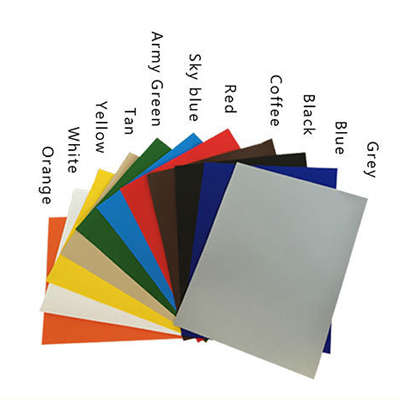
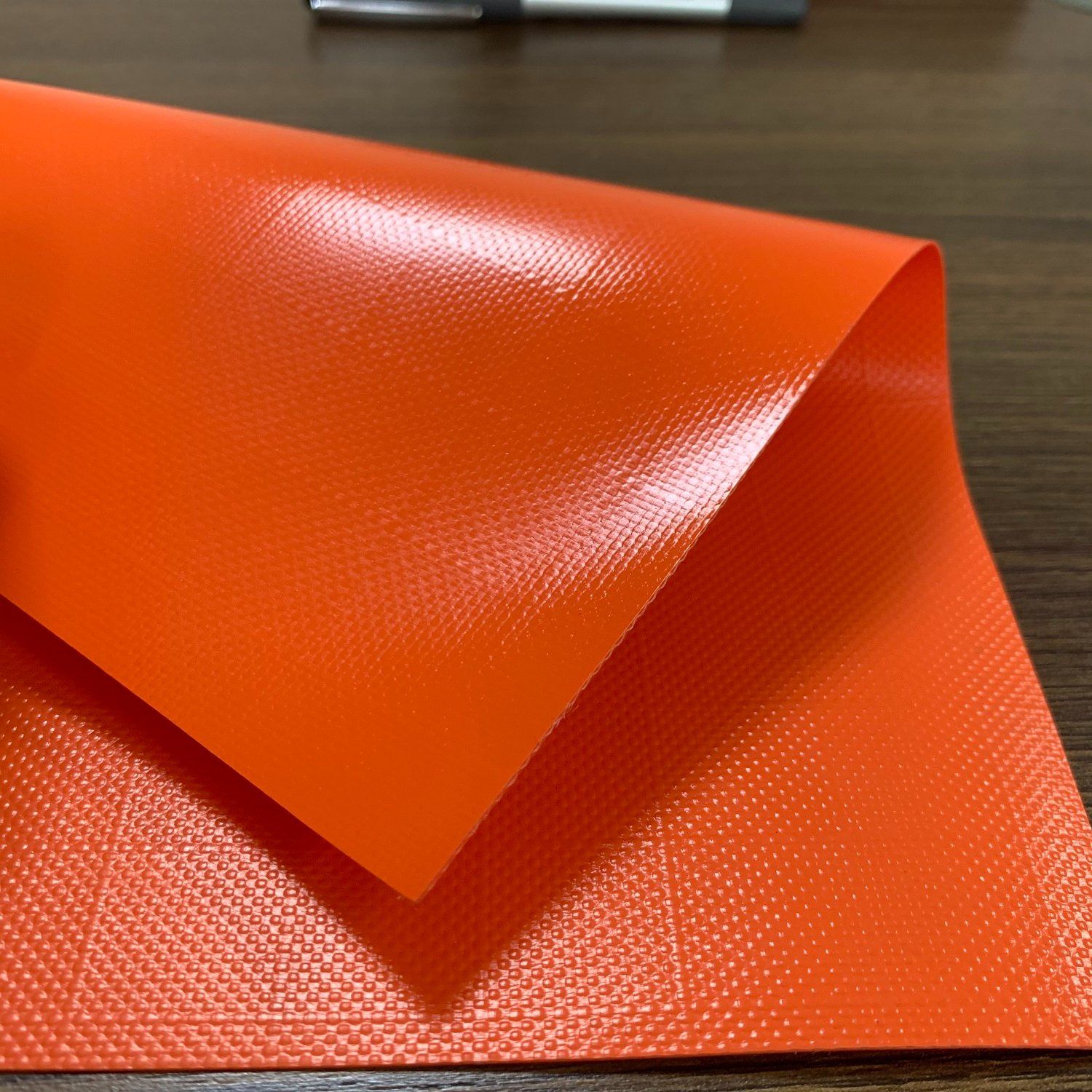
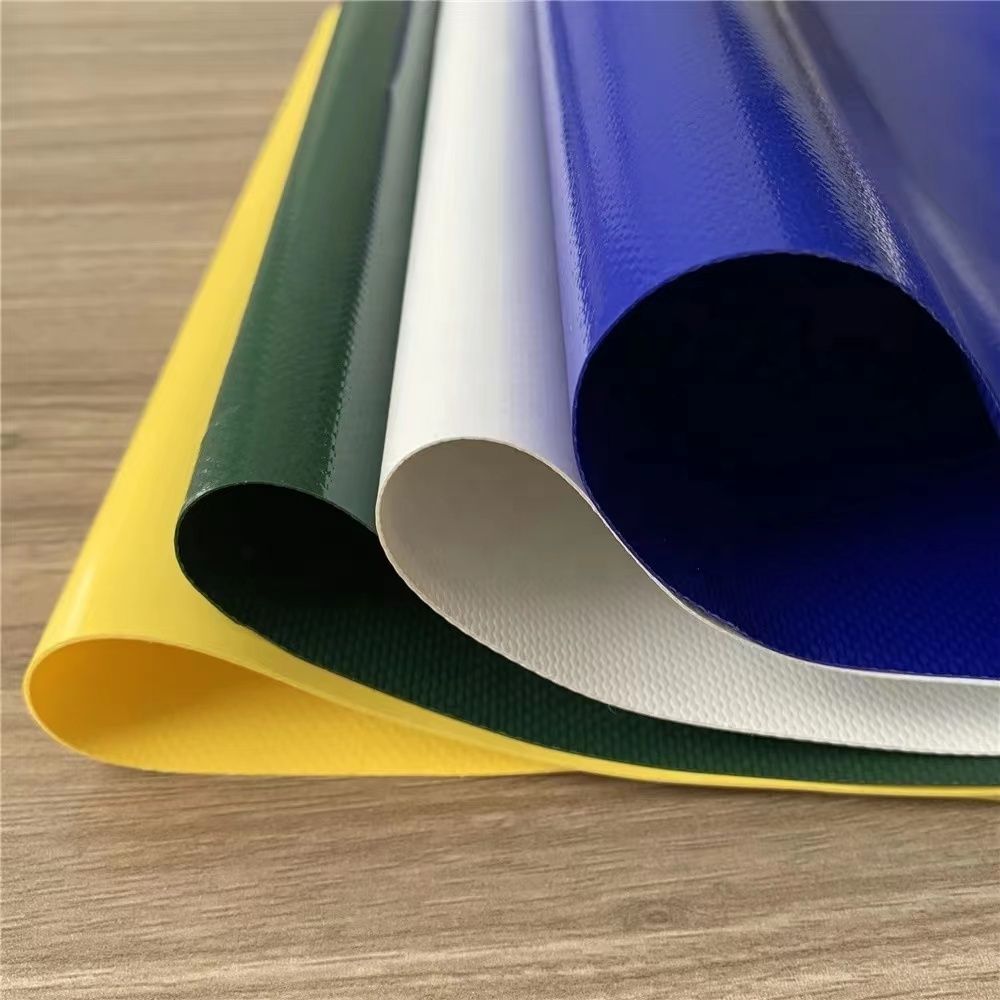
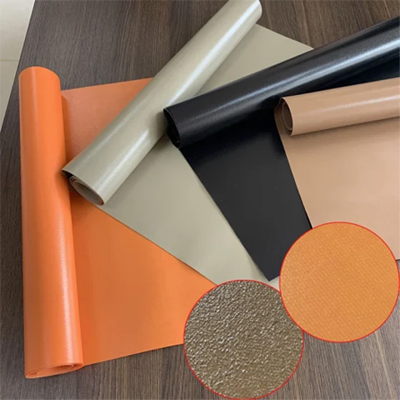
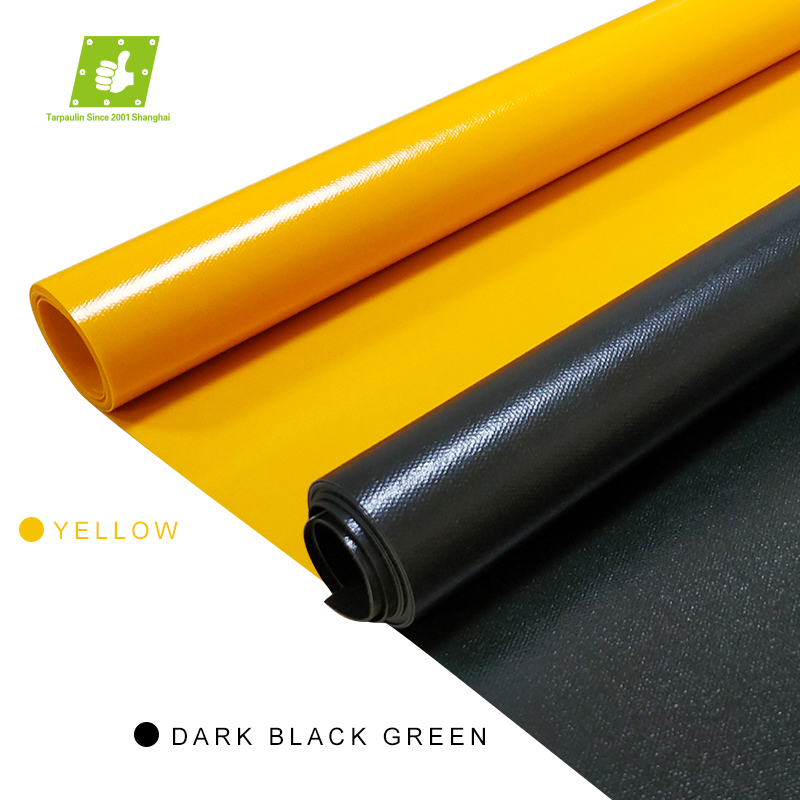
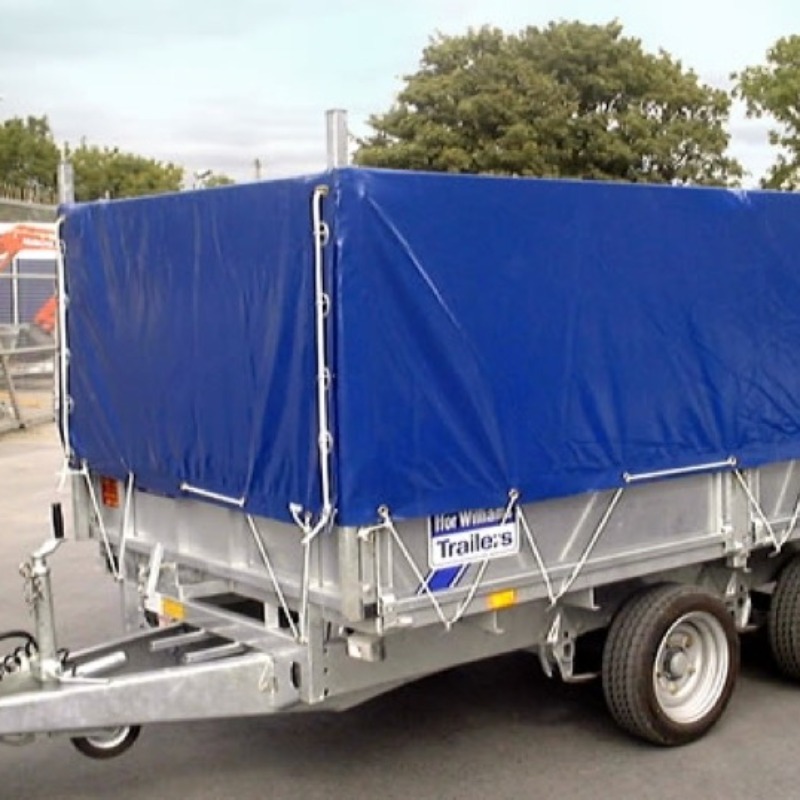
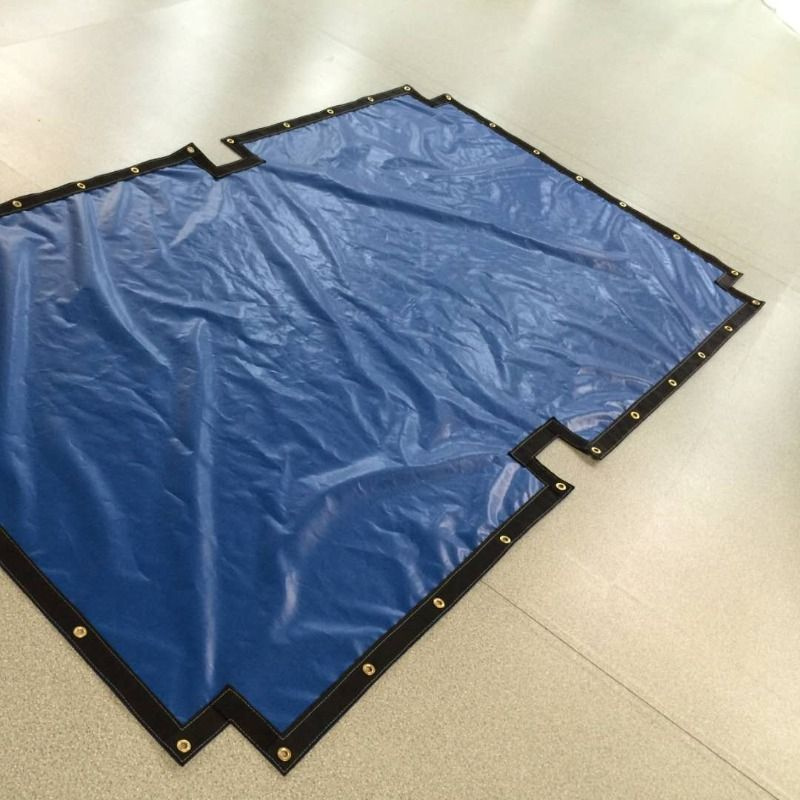
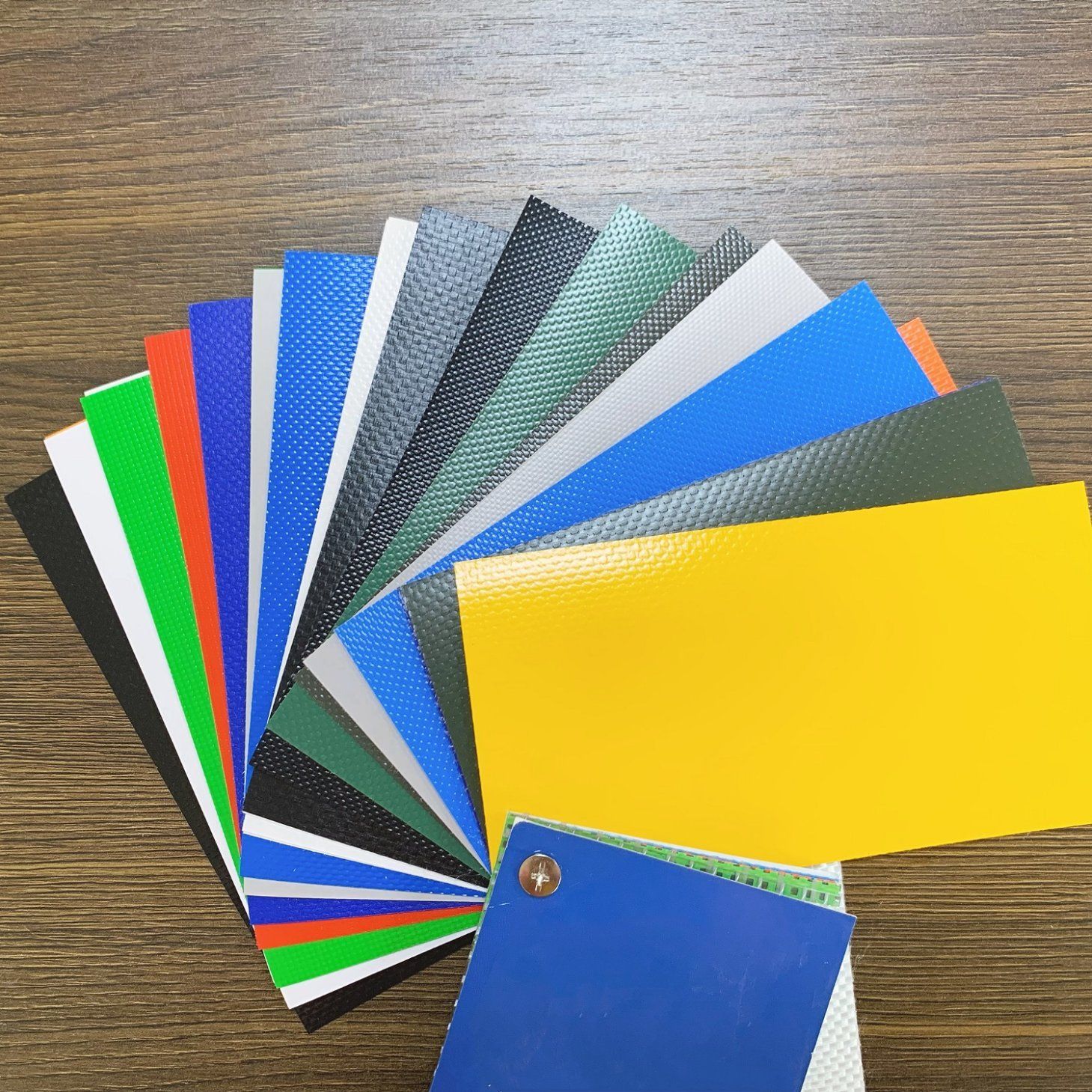
PVC tarpaulin is generally the better choice when durability, waterproofing, and long term outdoor exposure matter most, while PE tarpaulin is often preferred for lighter duty, short term, or budget conscious applications where cost and weight are the priority. PVC tarpaulin uses a fully coated woven fabric structure that creates a continuous waterproof barrier, which is why products such as PVC Tarpaulin are commonly chosen for truck covers, industrial tarps, and outdoor structures that need to withstand years of weather exposure, whereas standard PE tarpaulin relies on a simpler laminated film structure better suited to temporary or lower stress uses.
The sections below compare both materials across durability, waterproofing, weight, UV resistance, and cost, so you can match the right material to your specific use case.
Material Structure and Manufacturing Difference
Understanding why PVC and PE tarpaulins perform differently starts with how each material is actually constructed.
How PVC Tarpaulin Is Made
PVC tarpaulin is produced by coating a woven polyester fabric base with PVC resin on both sides, creating a fully encapsulated fabric where the coating bonds directly into the weave. This construction results in a continuous, non porous surface that resists water penetration even at seams and stress points.
How PE Tarpaulin Is Made
PE tarpaulin is typically made by laminating woven polyethylene fabric between two thin layers of polyethylene film. While this creates a functional waterproof surface, the lamination is generally less robust than a full resin coating, making PE tarps more prone to surface cracking or delamination over extended use.
Durability and Tear Resistance Comparison
Durability is often the deciding factor for buyers choosing between these two materials, particularly for applications involving repeated handling or harsh conditions.
| Property | PE Tarpaulin | PVC Tarpaulin |
|---|---|---|
| Tear resistance | Moderate | High |
| Abrasion resistance | Lower | Significantly higher |
| Typical lifespan outdoors | 6 months to 2 years | 3 to 5 years or more |
| Seam strength | Moderate | High, due to heat welded seams |
These general lifespan ranges reflect common industry references for outdoor tarp materials, and actual longevity depends heavily on climate exposure, UV intensity, and handling frequency at a given site.
Waterproofing Performance
Both materials are marketed as waterproof, but the level of water resistance differs meaningfully in practical use.
PVC Coating Continuity
Because PVC coating fully saturates and bonds to the woven fabric base, water resistance remains consistent across the entire surface, including at folded or creased areas, which is a common failure point for less robust waterproof materials.
PE Film Vulnerability
PE tarpaulin's thinner laminated film layer can develop pinholes or cracks over time, particularly at fold lines or areas subject to repeated flexing, which gradually reduces its waterproof performance compared to when it was new.
Weight and Handling Differences
Weight is another practical factor that affects how easily a tarp can be deployed, folded, and transported.
- PE tarpaulin is generally lighter, making it easier to handle for quick temporary coverage tasks
- PVC tarpaulin is heavier due to its resin coating, but this added weight also contributes to its wind resistance and stability once secured
- Lighter PE tarps can be more prone to wind lift if not properly secured with sufficient tie down points
- PVC tarps are often preferred for larger structural covers where added weight helps maintain a stable, taut surface
UV Resistance and Outdoor Longevity
Sun exposure is one of the leading causes of tarp degradation, and the two materials respond differently to prolonged UV exposure.
PVC UV Stabilization
Many PVC tarpaulin products include UV stabilizing additives within the coating itself, which helps slow down degradation and color fading from sustained sun exposure, making it a common choice for tarps expected to remain outdoors for extended periods.
PE Sensitivity to Sun Exposure
Standard PE tarpaulin generally has lower inherent UV resistance, and prolonged sun exposure often causes the film layer to become brittle faster than a comparable PVC coated product, which can shorten its usable outdoor lifespan considerably.
Cost Comparison and Value Over Time
Upfront cost is often the first thing buyers compare, but total value depends on how long the material lasts relative to its price.
- PE tarpaulin typically has a lower upfront purchase price, making it attractive for one time or short term use
- PVC tarpaulin costs more initially but often requires less frequent replacement due to its longer service life
- For repeated or long term use, the higher durability of PVC can result in a lower effective cost per year of service
- For occasional or single event use, PE tarpaulin's lower cost may be the more practical choice
Buyers planning long term outdoor coverage, industrial use, or repeated exposure to harsh conditions generally find that investing in a durable option like PVC Tarpaulin provides better long term value despite the higher initial cost.
Choosing Based on Your Specific Use Case
The right choice ultimately depends on how the tarp will be used and for how long.
| Use Case | Recommended Material |
|---|---|
| Short term event or seasonal cover | PE tarpaulin |
| Truck and trailer covers | PVC tarpaulin |
| Long term outdoor storage covers | PVC tarpaulin |
| Temporary construction site cover | PE tarpaulin |
| Industrial tent and structure fabric | PVC tarpaulin |
Summary
PVC tarpaulin generally outperforms PE tarpaulin in durability, waterproofing consistency, UV resistance, and long term outdoor performance, making it the stronger choice for demanding or extended use applications, while PE tarpaulin remains a practical, lower cost option for short term or lighter duty coverage needs. Matching the material to your specific timeline and exposure conditions is the most reliable way to get good value from either option.