
Call Us
+86-18962820095

 Español
Content
- 1 The Structure of PVC Fabric: Three Essential Components
- 2 How PVC Fabric Is Manufactured
- 3 Key Physical and Mechanical Properties of PVC Fabric
- 4 Main Types of PVC Fabric by Application Category
- 5 PVC Fabric vs. Alternative Coated Fabrics
- 6 Joining and Fabrication Methods for PVC Fabric
- 7 Environmental and Sustainability Considerations
- 8 How to Select the Right PVC Fabric for Your Application
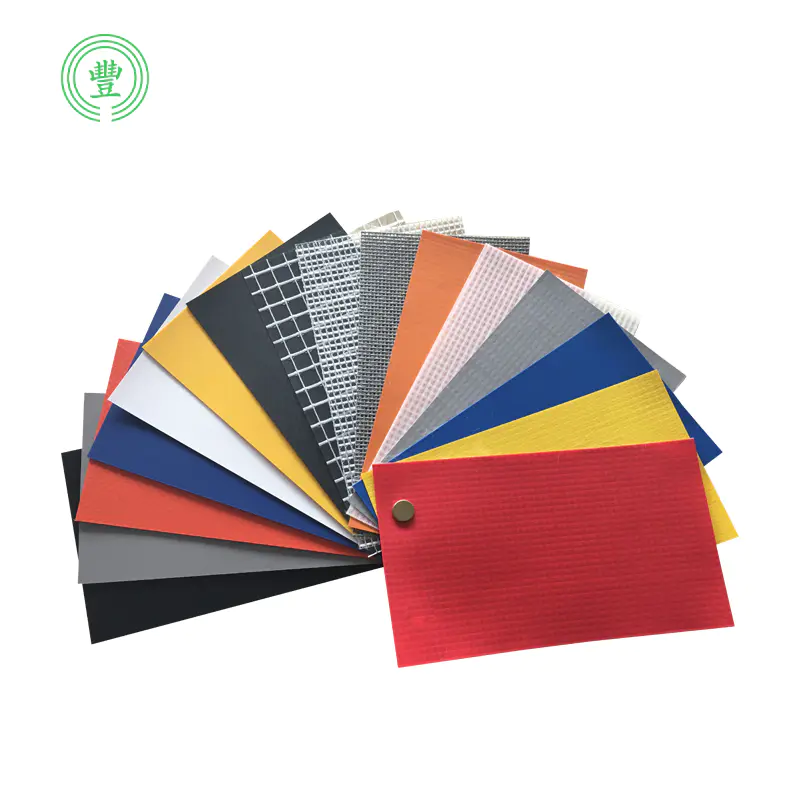
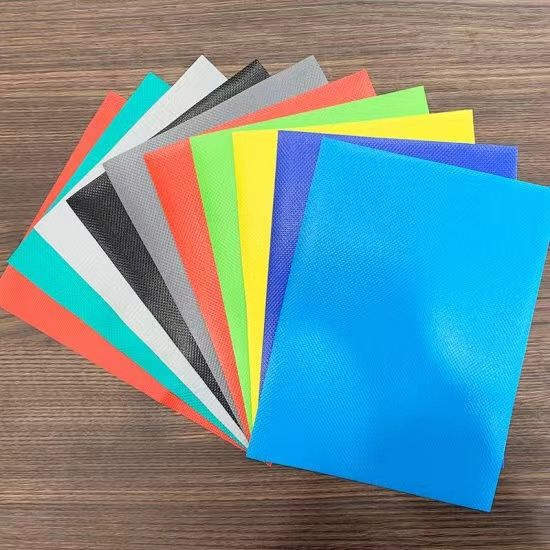
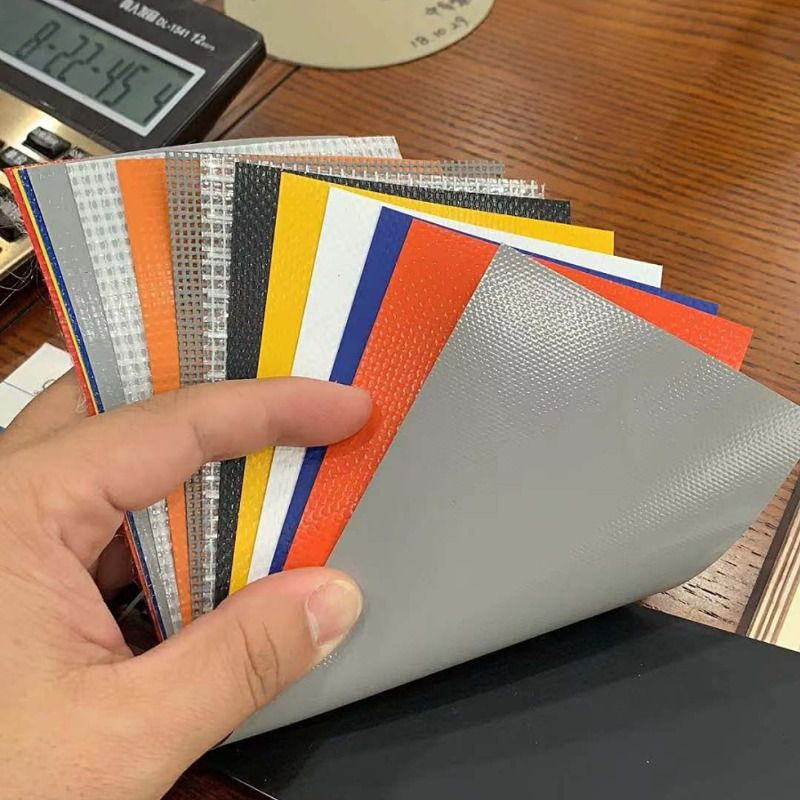
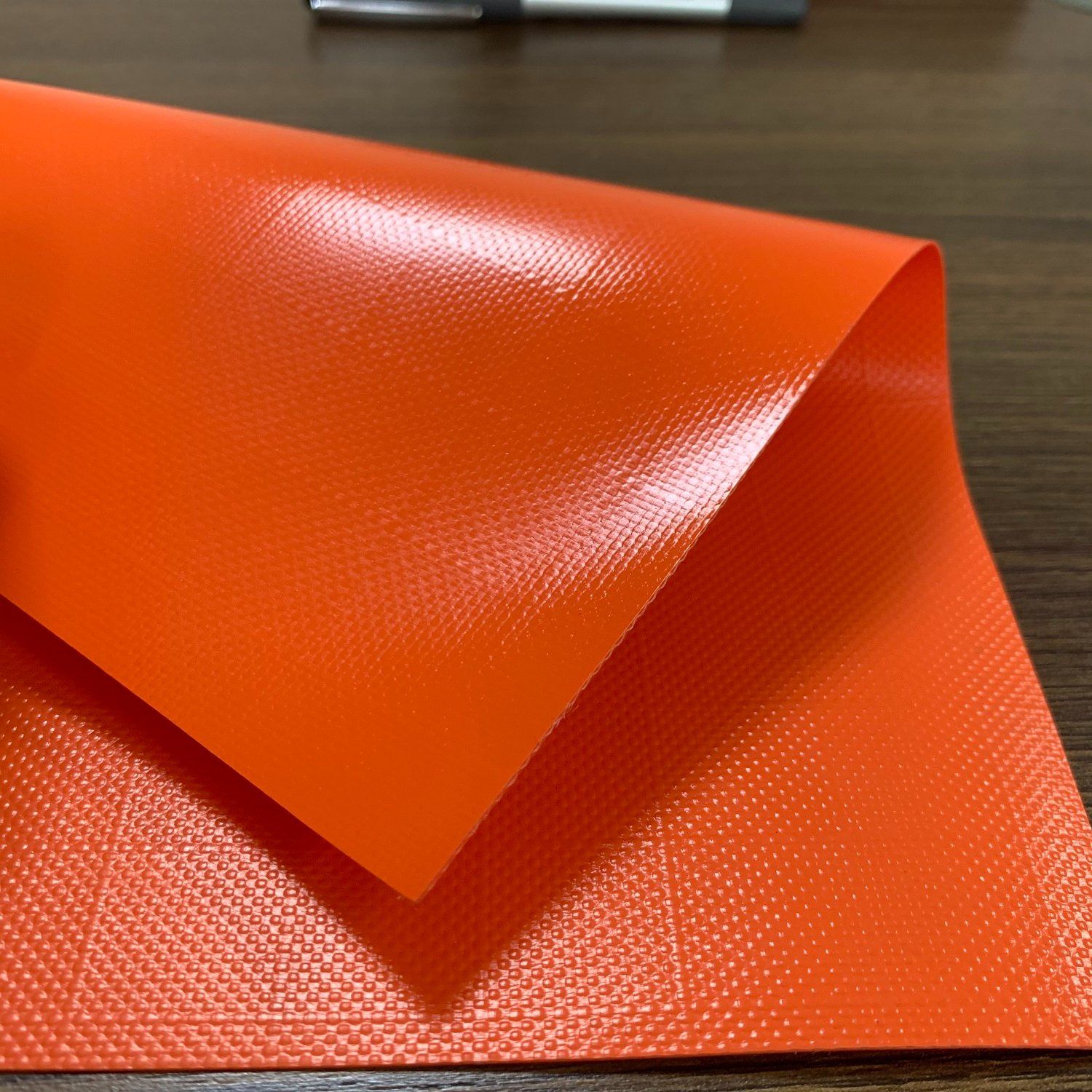
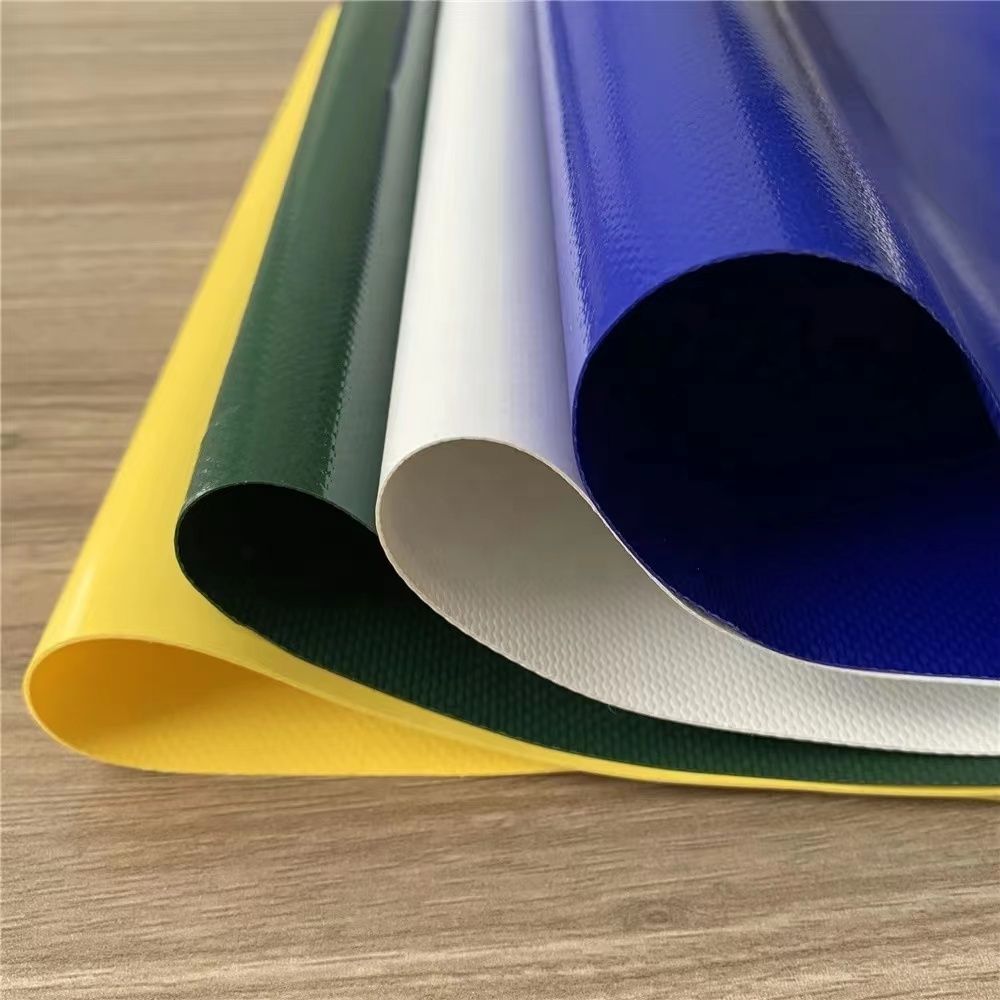
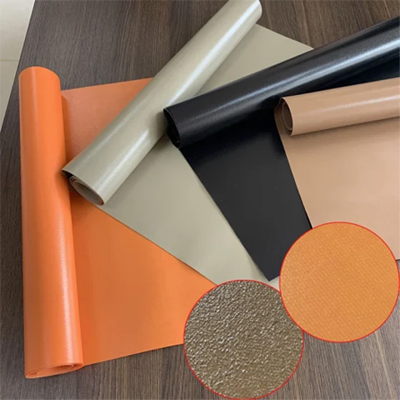
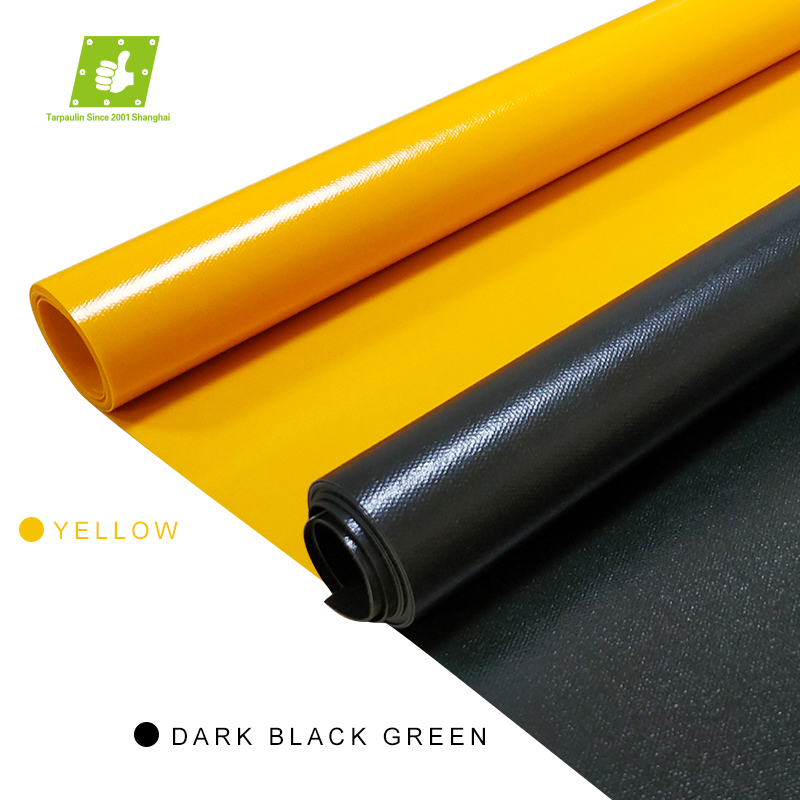
PVC fabric is a composite textile material consisting of a woven or knitted base fabric permanently bonded to one or more layers of polyvinyl chloride (PVC) polymer coating. The base fabric -- most commonly polyester, nylon, or glass fiber -- provides tensile strength and dimensional stability, while the PVC coating delivers waterproofing, UV resistance, chemical resistance, and surface durability that the textile alone could not achieve. The result is a flexible, tough, weatherproof material that can be manufactured across a wide range of weights, colors, surface textures, and functional specifications. PVC fabric is used in truck tarpaulins, advertising banners, industrial curtains, inflatable structures, agricultural shelters, marine covers, and protective clothing -- applications where a material must simultaneously be strong, waterproof, flexible, and long-lasting. This article explains what PVC fabric is, how it is made, what its properties are, and where it is used.
The Structure of PVC Fabric: Three Essential Components
Understanding what PVC fabric is requires understanding the three components that are combined to create it. Each contributes properties that the other components alone cannot provide.
The Base Fabric (Scrim)
The inner reinforcing layer of a PVC fabric is called the scrim -- a woven or knitted grid of high-tenacity fibers that provides the material's tensile strength, tear resistance, and dimensional stability. The scrim is the structural skeleton of the composite; without it, the PVC coating alone would be too brittle and too prone to tearing under concentrated loads to be useful in most applications.
Three fiber types are used in PVC fabric scrims, each suited to different performance requirements:
- High-tenacity polyester (PET): The most common scrim material for commercial PVC fabrics. Polyester offers a good balance of tensile strength (typically 1,500 to 4,000 N/5 cm for woven PET scrims), elongation resistance, and resistance to moisture absorption. Standard PVC tarpaulin, advertising banner material, and truck curtain fabric all use polyester scrims.
- Nylon (polyamide): Higher elongation and abrasion resistance than polyester, used in applications requiring exceptional flexibility and impact absorption -- inflatable structures, life-saving equipment, and military shelters. Nylon scrims absorb slightly more moisture than polyester, which is addressed by the PVC coating encapsulation.
- Glass fiber (fiberglass): Used where dimensional stability at elevated temperatures and fire resistance are primary requirements. Glass fiber scrims provide very low elongation (typically less than 0.5% at rated load) and do not burn -- critical for architectural membrane structures, industrial curtains in foundries, and fire-rated building applications.
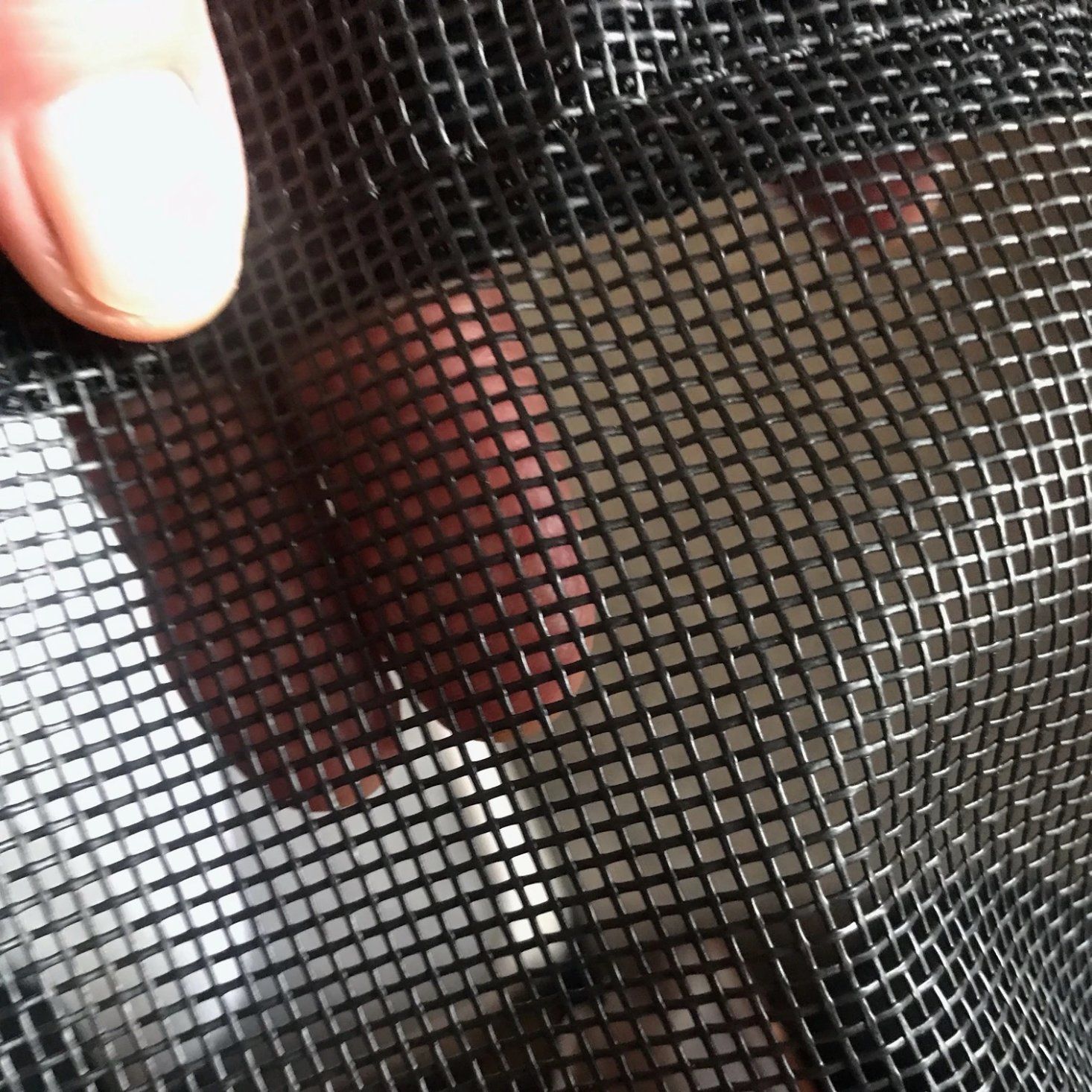
The scrim weave structure also varies. Plain weave (warp and weft threads alternating over-under) is standard for most tarpaulin and banner fabrics. Leno weave (twisted warp threads locking weft threads in position) is used where open grid structure is required. Thread count -- measured in threads per centimeter in each direction -- directly determines the scrim's load-bearing capability and the minimum coating weight needed to fully encapsulate the threads.
The PVC Polymer Coating
The polyvinyl chloride coating is applied to one or both sides of the scrim in a liquid or paste form and then heated and fused to create a continuous, non-porous film. Pure PVC resin is rigid -- the familiar white plastic pipe material -- so plasticizers are compounded into the coating formulation to make it flexible. The plasticizer content determines the flexibility and low-temperature performance of the finished fabric: higher plasticizer content produces a softer, more flexible material that remains pliable at lower temperatures but may be less resistant to high-temperature creep.
The PVC compound formulation also includes:
- UV stabilizers: Absorb or scatter ultraviolet radiation to prevent photodegradation of the PVC polymer chain -- the primary cause of surface chalking, cracking, and color fading in outdoor applications
- Heat stabilizers: Prevent thermal degradation during the high-temperature coating and calendering process (typically 160 to 190 degrees C)
- Pigments: Provide color and opacity; inorganic pigments (titanium dioxide for white, carbon black for black) are used for UV opacity and color stability; organic pigments provide the range of colors used in commercial applications
- Flame retardants: Required for products sold under fire safety standards such as DIN 4102-B1, EN 13501-1, or NFPA 701; antimony trioxide and phosphate-based compounds are the most widely used systems
- Anti-fungal agents: Prevent mold and mildew growth on fabric surfaces in humid or tropical environments
Surface Treatments and Topcoats
Many PVC fabrics receive a surface treatment on top of the base PVC coating to add specific functional properties. Common topcoat systems include lacquer finishes for improved printability (critical for digital printing banner materials), anti-static coatings for cleanroom or electronics applications, anti-adhesion coatings that prevent the fabric surface from sticking to itself or to other materials in storage, and acrylic or PVDF (polyvinylidene fluoride) topcoats that improve long-term outdoor UV and weathering resistance beyond what the PVC compound alone provides.
How PVC Fabric Is Manufactured
The manufacturing process determines the quality, consistency, and properties of the finished PVC fabric. Two primary coating methods are used commercially, each producing fabrics with different performance characteristics.
Calendering (Lamination)
Calendering is the dominant manufacturing method for high-volume PVC fabric production. The PVC compound -- pre-mixed with plasticizers, stabilizers, pigments, and additives -- is fed into a calender machine: a series of large heated steel rollers that progressively compress and thin the compound into a continuous PVC film of controlled thickness. The film exits the calender and is pressed onto both faces of the moving scrim fabric under heat and pressure, bonding chemically and mechanically to the scrim threads.
Calendered PVC fabrics typically achieve a total weight of 300 to 1,500 gsm (grams per square meter), with PVC coating accounting for 60 to 80% of the total weight. The calender process produces consistent coating thickness across the full web width -- typically 1.5 to 5.0 meters -- and at production speeds of 20 to 60 meters per minute. This high throughput makes calendering the cost-effective choice for standard tarpaulin, truck curtain, and industrial curtain fabrics produced in large volumes (source: PVC Coated Fabrics Technical Guide, European Coated Fabrics Association, 2021).
Knife-Over-Roll Coating (Spread Coating)
Knife coating applies PVC paste (a suspension of PVC resin particles in liquid plasticizer, called a plastisol) to the fabric surface using a precision doctor blade that controls coating thickness. The coated fabric then passes through an oven where the plastisol fuses into a continuous PVC film at temperatures of 160 to 200 degrees C. Multiple coating passes can be applied to build up the desired total coating weight with different compound formulations in each layer.
Knife coating produces more precise coating weight control than calendering -- typically plus or minus 3 to 5 gsm versus plus or minus 8 to 15 gsm for calendering -- and allows different compounds to be used on each face of the fabric. This is important for specialty products where the inside and outside surfaces have different requirements: for example, a truck curtain with a hard, scruff-resistant inner face compound and a soft, weather-resistant outer face compound.
| Property | Calendering | Knife-Over-Roll Coating |
|---|---|---|
| Coating weight control | Plus or minus 8-15 gsm | Plus or minus 3-5 gsm |
| Production speed | 20-60 m/min | 5-25 m/min |
| Multi-layer capability | Limited | Excellent -- different compound each pass |
| Scrim penetration | Excellent -- pressure forces compound into threads | Good -- paste penetrates under blade pressure |
| Best suited for | High-volume standard products (tarpaulin, truck curtain) | Specialty and precision products (medical, banner, inflatable) |
| Typical total weight range | 300-1,500 gsm | 200-900 gsm |
Key Physical and Mechanical Properties of PVC Fabric
The properties of PVC fabric vary significantly depending on fabric weight, scrim specification, PVC compound formulation, and surface treatment. The ranges below represent commercial PVC fabrics across the full product spectrum from lightweight banner materials to heavy-duty industrial tarpaulin.
| Property | Typical Range | Test Standard | What It Determines |
|---|---|---|---|
| Total weight (gsm) | 200-1,500 gsm | Load capacity, handling weight, packaging density | |
| Tensile strength (warp / weft) | 1,500-8,000 N/5 cm | ISO 1421 | Ability to withstand pulling and wind load forces |
| Tear resistance (trapezoid) | 150-600 N | ISO 4674-1 | Resistance to tear propagation from a cut or puncture |
| Elongation at break | 15-35% | ISO 1421 | Flexibility under dynamic load; impact absorption |
| Cold flexibility | -20 to -40 degrees C | ISO 4675 | Minimum temperature for folding without cracking |
| Hydrostatic resistance (water column) | Greater than 2,000 mm H2O (most grades exceed 5,000 mm) | ISO 811 | Waterproofing performance under pressure |
| UV resistance (xenon arc aging) | 500-5,000 hours to specification | ISO 4892-2 | Resistance to surface degradation in outdoor UV exposure |
| Fire classification | B1 (DIN 4102), Cs2d0 (EN 13501-1), or unclassified | DIN 4102 / EN 13501-1 | Flame spread rate and building/event use compliance |
A critical point about waterproofing: all commercial PVC fabrics have hydrostatic resistance values that far exceed practical rainfall conditions. Standard UK rainfall exerts approximately 2 to 5 mm H2O of water pressure on a horizontal surface -- a fraction of the 2,000+ mm H2O resistance of even the lightest commercial PVC fabric. The practical waterproofing risk in PVC fabric products is not penetration through the fabric itself but leakage through seams, eyelets, or edge finishes -- areas where the continuous PVC surface is interrupted.
Main Types of PVC Fabric by Application Category
PVC fabric is not a single product but a broad family of materials differentiated by weight, scrim specification, surface treatment, and functional additive package. The main commercial types are:
Tarpaulin and Cover Fabric
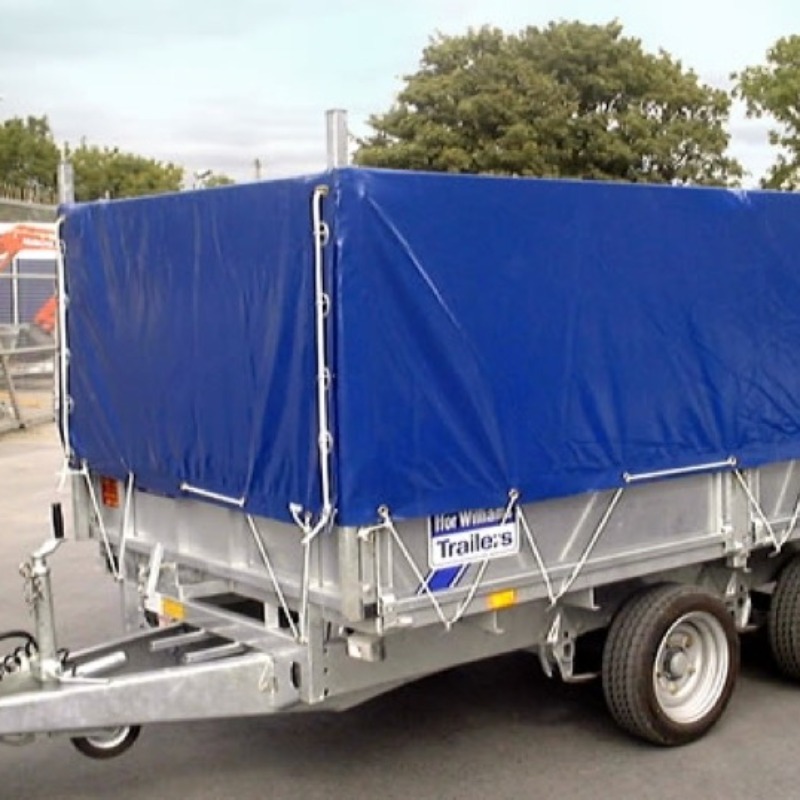
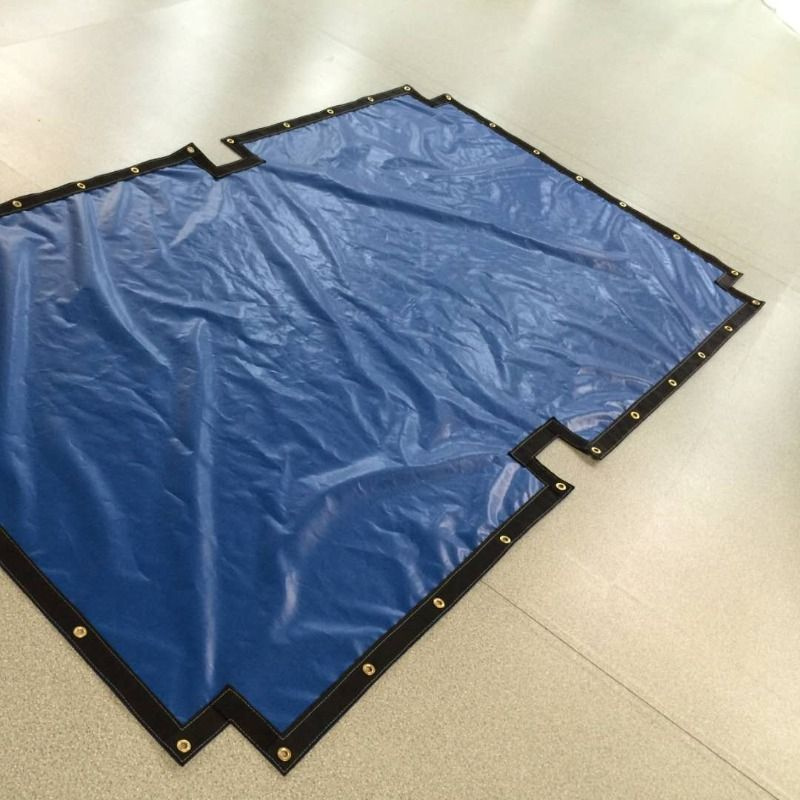
The largest volume category globally. Tarpaulin-grade PVC fabric typically weighs 400 to 900 gsm with a polyester scrim of 500 to 1,000 dtex yarn at 9 to 16 threads per centimeter. Tensile strength is typically 2,500 to 5,000 N/5 cm in both warp and weft directions. Standard tarpaulin fabric is used for truck covers, building site protection, agricultural commodity storage, temporary shelters, and equipment covers. Our PVC fabric range includes tarpaulin grades with UV stabilization rated for outdoor service life of 5 to 10 years under European climate conditions.
Truck Curtain and Logistics Fabric
Truck side curtain fabric (used in curtainsider trailers) has specific requirements beyond standard tarpaulin: it must withstand the mechanical stress of repeated opening and closing cycles (a working truck curtain may complete 10 to 20 open-close cycles per day over a service life of 5 to 8 years -- approximately 15,000 to 50,000 cycles total), resist abrasion from cargo contact, and maintain dimensional stability to prevent the curtain sagging or distorting and becoming difficult to operate. Truck curtain fabrics are typically 650 to 900 gsm with reinforced scrim thread counts and may include a coarser textured inner face to reduce cargo abrasion damage (source: ESTA -- European Synthetic Textiles Association, Truck Curtain Material Standard, 2020).
Advertising Banner and Signage Fabric
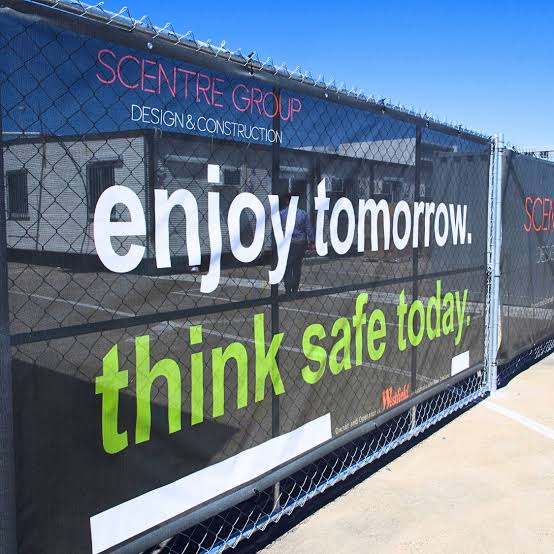
Digital printing banner fabric is a distinct PVC fabric category optimized for print quality and dimensional stability during large-format inkjet printing. Banner fabrics are lightweight -- typically 300 to 550 gsm -- with a tight, even polyester scrim that produces a smooth, flat surface. The PVC coating is formulated with a printable topcoat that promotes adhesion of solvent, UV, or latex inks. Key properties for this application are whiteness (L* value typically greater than 90 for a premium white banner substrate), smoothness (which determines ink dot spread and print sharpness), and dimensional stability (the fabric must not stretch or shrink during printing, which would cause register errors in multi-pass printing) (source: FESPA Digital Printing Technical Report, Substrate Specifications, 2022).
Inflatable Structures and Boats
PVC fabric for inflatable applications -- inflatable boats, rescue craft, inflatable tents, bounce castles, and advertising inflatables -- requires a very different performance profile from tarpaulin or banner fabric. The material must withstand repeated inflation and deflation cycles, maintain air-tightness under pressure, resist abrasion from contact with ground or water, and remain flexible at temperatures from -20 degrees C to +60 degrees C. Inflatable-grade PVC fabric typically uses a nylon scrim for higher elongation and fatigue resistance, with PVC coating applied in multiple thin layers to ensure complete thread encapsulation and zero air permeability. Total weight ranges from 500 to 1,100 gsm depending on the pressure rating of the application.
Industrial Curtains and Dividers
Industrial PVC curtains -- used to divide warehouse zones, control temperature and airflow in food processing facilities, reduce noise transmission between production areas, and contain welding flash and sparks -- require specific functional properties depending on the application. Transparent PVC fabric (typically 0.5 to 3 mm thick, with or without scrim reinforcement) is used where visibility through the curtain is required. Flame-retardant grades certified to EN 13501-1 class Cs2d0 or DIN 4102-B1 are mandatory in many industrial and commercial building applications. Anti-static grades prevent electrostatic charge buildup in electronics manufacturing environments (source: Industrial Fabrics Association International, Technical Data Handbook, 2021).
PVC Fabric vs. Alternative Coated Fabrics
PVC is not the only polymer used to coat technical fabrics. Understanding where PVC fabric sits relative to its main alternatives helps clarify both its strengths and its limitations:
| Property | PVC Coated Fabric | PE Coated Fabric | PU Coated Fabric | PTFE Coated Fabric | Silicone Coated Fabric |
|---|---|---|---|---|---|
| Waterproofing | Excellent | Good | Excellent | Excellent | Excellent |
| UV resistance (long-term outdoor) | Good to excellent (stabilized grades) | Moderate | Moderate to good | Excellent | Excellent |
| Temperature range | -30 to +70 degrees C | -20 to +60 degrees C | -40 to +80 degrees C | -70 to +260 degrees C | -60 to +200 degrees C |
| Chemical resistance | Good (most dilute acids/alkalis) | Good | Moderate | Outstanding | Very good |
| Weldability (HF or hot air) | Excellent (HF and hot air) | Hot air only | Hot air and HF (some grades) | Poor -- requires adhesive bonding | Adhesive only |
| Printability (digital inkjet) | Excellent (with topcoat) | Moderate | Good | Poor | Poor |
| Environmental profile | Recyclable (specialist stream); contains plasticizers | Recyclable; no plasticizers | Limited recycling; better plasticizer profile | Non-recyclable; PFAS concerns in some grades | Limited recycling |
| Relative cost | Low to moderate | Low | Moderate | High | High |
The comparison shows that PVC fabric occupies a unique position: it is the only coated fabric type that combines excellent waterproofing, good UV resistance, excellent high-frequency weldability, excellent printability, and low-to-moderate cost in a single material. This combination is why it dominates the tarpaulin, banner, and truck curtain markets despite competition from lighter or more specialized alternatives.
Joining and Fabrication Methods for PVC Fabric
PVC fabric's excellent weldability is one of its most practically important characteristics. Unlike coated fabrics that can only be joined with adhesives or mechanical fasteners, PVC fabric can be welded -- the PVC coating layers on two pieces of fabric are fused together under heat and pressure to form a continuous, waterproof joint stronger than the surrounding fabric.
High-Frequency (HF) Welding
HF welding uses electromagnetic energy at frequencies of 27.12 MHz to heat the PVC molecules within the material directly, without heating the surrounding air or tooling. The two fabric surfaces are pressed together between an electrode and a metal die under controlled pressure, and the HF field heats and fuses the PVC in the joint zone within 2 to 8 seconds. The result is a weld seam with tensile strength typically 85 to 95% of the parent fabric strength -- the weld itself is rarely the weakest point in a correctly designed PVC fabric product (source: Coated Fabrics Fabrication Manual, IFAI, 2020).
HF welding is the preferred joining method for most PVC fabric fabrication -- tarpaulins, banners, truck curtains, inflatable structures, and industrial curtains are all primarily HF welded. The process requires no consumables (no adhesive or thread), leaves no residue, and produces a visually clean, flat seam that does not project above the fabric surface.
Hot-Air Welding
Hot-air welding heats the PVC surface to its fusion temperature using a stream of hot air from a nozzle, then immediately presses the two surfaces together. Hot-air welding is more versatile than HF welding in terms of joint geometry -- it can weld curved seams, joints on three-dimensional fabricated shapes, and repairs in the field using hand-held hot-air guns. Automated hot-air welding machines for linear seams achieve welding speeds of 3 to 8 meters per minute at joint strengths comparable to HF welding.
Sewing and Mechanical Fastening
Sewing is used in PVC fabric fabrication for decorative seams, attachment of hardware (buckles, D-rings, rope loops), and in applications where welding equipment is not available. Sewn seams in PVC fabric must be sealed with a weld seam tape or liquid sealant applied over the stitch line to restore waterproofing -- the needle perforations through the PVC coating create potential water ingress points that must be addressed in any weatherproof application.
Environmental and Sustainability Considerations
PVC fabric faces scrutiny in sustainability discussions because PVC resin is chlorine-containing and because traditional phthalate plasticizers have raised health and environmental concerns. Understanding the current state of these issues helps buyers make informed decisions:
- Plasticizer migration: Traditional phthalate plasticizers (DEHP, DBP, BBP) are classified as substances of very high concern (SVHC) under the EU REACH regulation and are restricted in many product categories. Modern PVC fabric formulations use non-phthalate alternatives -- DINP, DPHP, or citrate-based plasticizers -- that have significantly improved toxicological profiles. Buyers should confirm plasticizer type when sourcing PVC fabric for food contact, children's product, or indoor air quality-sensitive applications.
- Recyclability: PVC fabric is recyclable through specialist collection and processing streams. The VinylPlus program in Europe collected and recycled 739,525 tonnes of PVC across all product categories in 2022 -- though coated fabric represents a smaller portion than rigid PVC due to the difficulty of separating the polymer from the scrim (source: VinylPlus Progress Report, 2023).
- Durability as a sustainability factor: A well-specified PVC tarpaulin with a service life of 8 to 12 years consumes significantly less total material resource over its useful life than a lightweight PE tarpaulin that is replaced every 1 to 2 years. Long service life is a genuine environmental advantage that partially offsets the higher material impact of PVC production relative to polyethylene.
- Eco-friendly formulations: Bio-based plasticizers derived from vegetable oils (such as epoxidized soybean oil and citrate esters) are increasingly available and provide similar flexibility performance to petrochemical plasticizers with a partially renewable carbon content. Some manufacturers also offer PVC fabrics formulated without heavy-metal stabilizers, using calcium-zinc or organotin systems that are more environmentally acceptable.
How to Select the Right PVC Fabric for Your Application
Selecting the correct PVC fabric specification for a specific end use requires evaluating six key parameters. Specifying too light a fabric results in premature failure; over-specifying wastes material cost and adds unnecessary weight.
- Weight and strength grade: Start with the mechanical loads the fabric must withstand -- wind load for tarpaulins, tension load for banner frames, inflation pressure for inflatables. Select the minimum fabric weight that meets the tensile and tear strength requirements with an adequate safety factor (typically 3:1 to 5:1 for safety-critical applications).
- UV and weathering specification: For permanent or semi-permanent outdoor applications, specify a UV stabilizer package rated for the expected service life. A standard tarpaulin UV package may be rated to 500 hours Xenon arc per ISO 4892-2; premium grades used in architectural membranes may be rated to 3,000 hours or more.
- Fire rating: Determine whether a fire certification is required by building regulations, event safety rules, or industry standards for the intended application. Specify the applicable standard (DIN 4102-B1, EN 13501-1 Class B, or NFPA 701) and ensure the fabric certificate covers the specific product being purchased.
- Temperature range: Verify that the fabric's cold flexibility rating covers the lowest temperature it will be folded or handled at, and that the maximum service temperature does not cause excessive creep or plasticizer migration in the application environment.
- Surface and print requirements: If the fabric will be digitally printed, specify a grade with a print-compatible topcoat and confirm ink compatibility with your print process (solvent, UV, latex). If the fabric will be used in a food contact environment, verify food-contact compliance of the PVC compound.
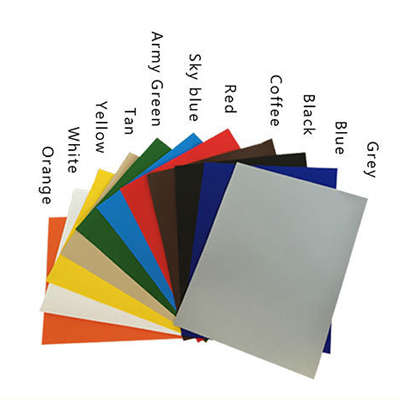
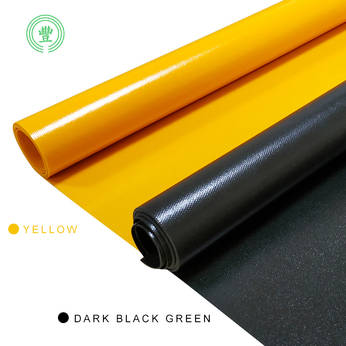
- Color and opacity: White and light grey are standard for maximum reflectivity and print brightness. Black provides maximum UV opacity. Custom colors are available on minimum order quantities that vary by manufacturer.
Our PVC fabric range covers tarpaulin, truck curtain, banner, and industrial curtain grades from 300 to 1,100 gsm, with UV-stabilized, flame-retardant, and food-contact formulations available across the full weight range. Full material certificates including ISO test data, fire classification certificates, and REACH compliance documentation are available for every product grade.