
Call Us
+86-18962820095

 Español
Content
- 1 How PVC Laminated Tarpaulin Achieves Its Waterproof Properties
- 2 Measuring Waterproof Performance: What the Numbers Mean
- 3 PVC Tarpaulin vs Other Tarpaulin Materials: Waterproof Performance Compared
- 4 Additional Weather Protection Properties Beyond Waterproofing
- 5 Applications That Rely on PVC Tarpaulin's Waterproof Performance
- 6 Denier Count and GSM: Selecting the Right Specification for Your Application
- 7 Factors That Can Compromise Waterproofing Over Time
- 8 Care and Maintenance to Preserve Long-Term Waterproofing
- 9 Customization Options for Specific Waterproofing Requirements
- 10 Sourcing Quality PVC Laminated Tarpaulin: Why Manufacturer Experience Matters
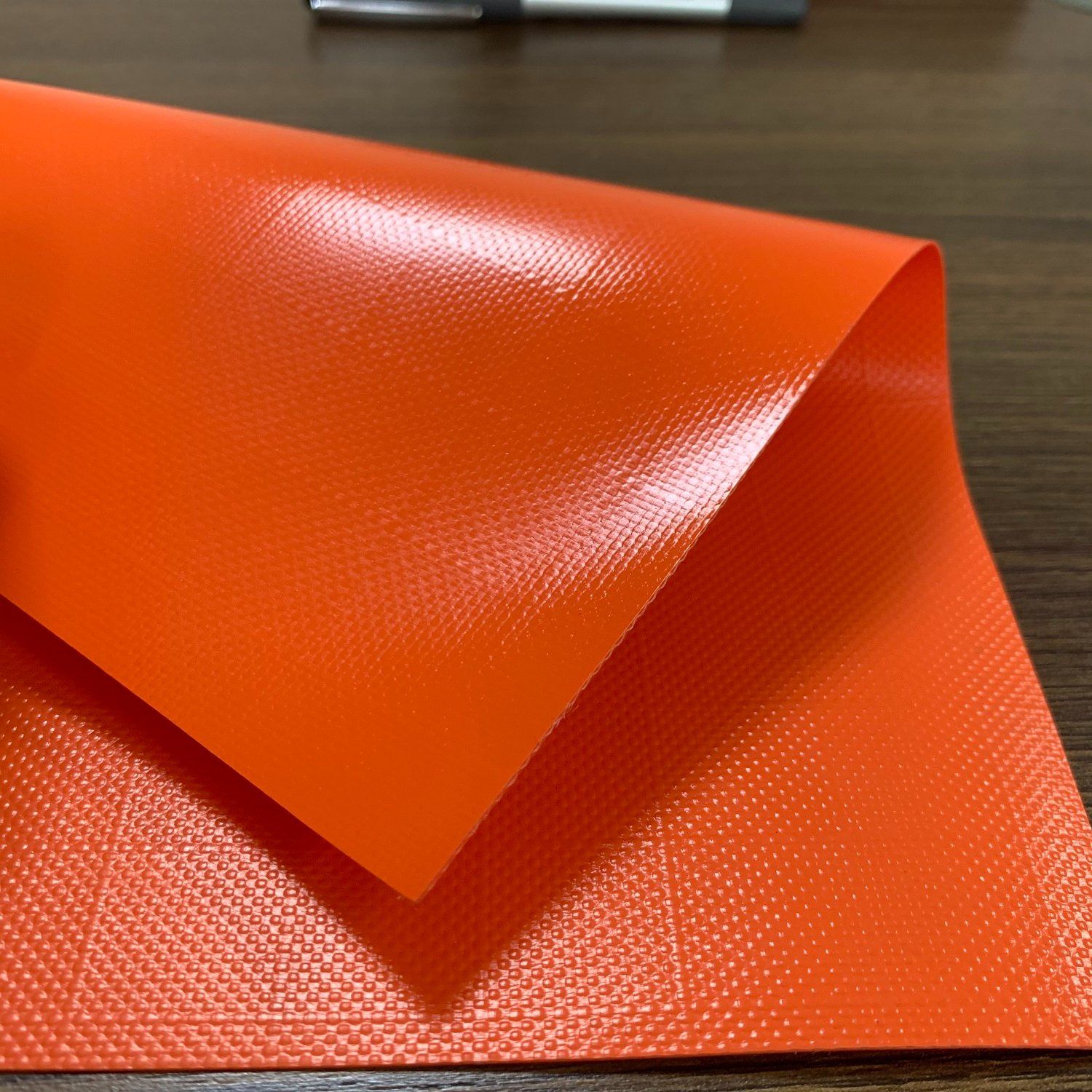
Yes — PVC laminated tarpaulin is fully waterproof. The polyvinyl chloride (PVC) coating bonded to both faces of the woven fabric substrate creates a continuous, non-porous barrier that prevents water from passing through the material under normal outdoor conditions, including heavy rain, standing water, and prolonged wet exposure. Unlike water-resistant fabrics that merely slow water absorption, PVC laminated tarpaulin actively repels water at the surface and maintains that repellency throughout its service life without requiring retreatment or reapplication of waterproofing agents.
This waterproof performance is not a coating applied on top of an existing fabric — it is structurally integrated into the material through the lamination process itself. The result is a tarpaulin whose waterproofing cannot be washed off, rubbed away, or degraded through normal handling and outdoor exposure in the way that spray-on or dip-applied waterproofing treatments can be. Understanding why PVC laminated tarpaulin is waterproof, how its waterproof performance is measured, and what factors affect its long-term effectiveness helps buyers select the right specification for their application and get maximum service life from their tarpaulin.
How PVC Laminated Tarpaulin Achieves Its Waterproof Properties
The waterproof performance of PVC laminated tarpaulin derives directly from its construction — specifically, the way polyvinyl chloride is bonded to a woven substrate to create a composite material that combines the structural strength of fabric with the impermeability of PVC film.
The Three-Layer Composite Structure
Standard PVC laminated tarpaulin consists of three functional layers working together:
- Top PVC layer — the outer surface that contacts the environment; provides the primary waterproof barrier, UV resistance, and surface durability; typically 0.1–0.3 mm thick depending on product specification
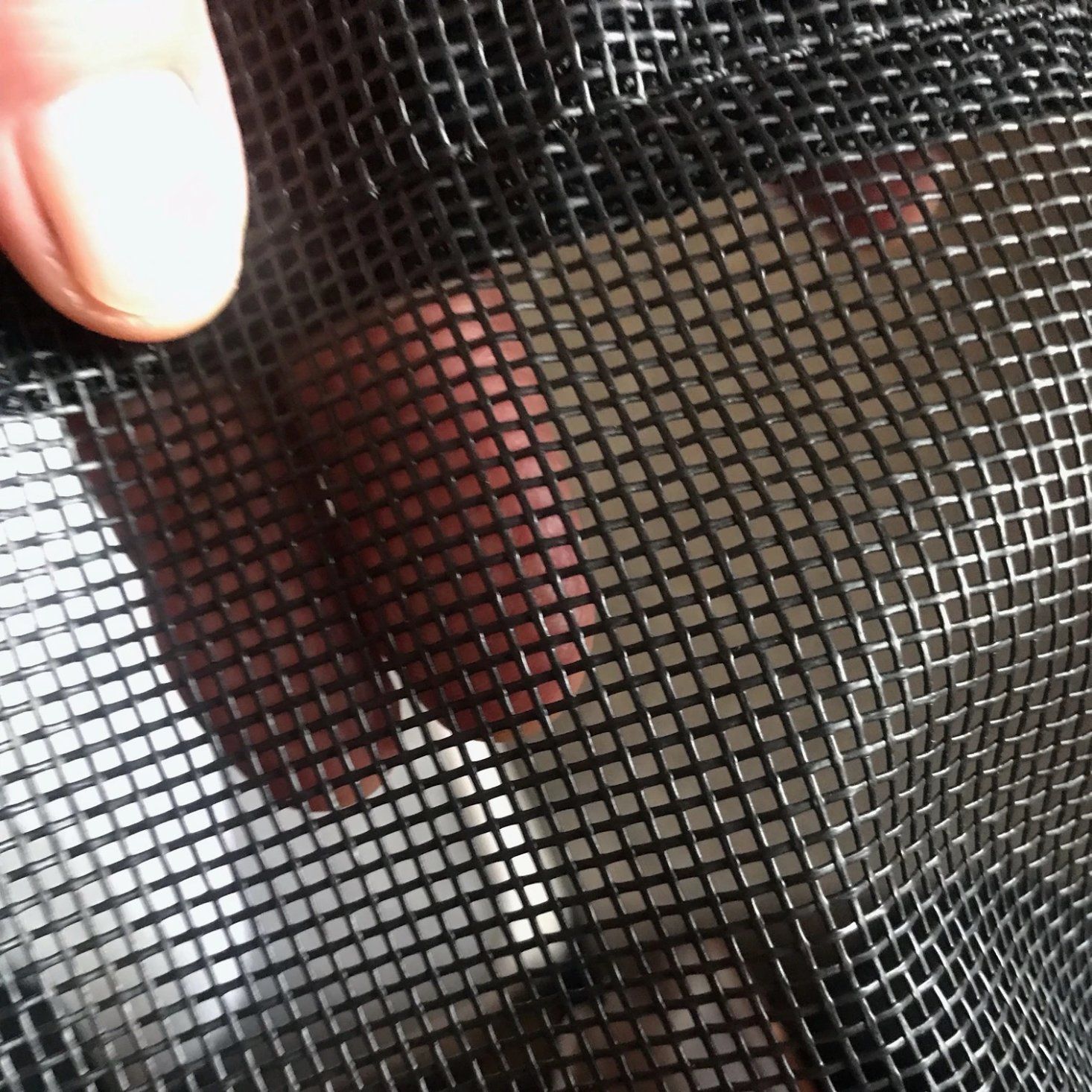
- Woven substrate core — the structural backbone of the composite, typically woven polyester or nylon yarn in a grid pattern; provides tensile strength, tear resistance, and dimensional stability; the denier count of this core determines the weight and strength category of the tarpaulin
- Bottom PVC layer — mirrors the top layer on the reverse face; ensures that water cannot enter through the underside and that the fabric is fully sealed on both faces, regardless of how it is oriented or installed
The lamination process bonds these layers under heat and pressure, creating molecular adhesion between the PVC and the woven substrate that cannot be separated by normal mechanical stress, water exposure, or temperature variation within the fabric's rated operating range. The PVC fills and seals the interstices of the woven grid, eliminating the microscopic gaps between yarns that would otherwise allow water vapor and liquid water to pass through.
Why PVC Is Inherently Waterproof
Polyvinyl chloride is a thermoplastic polymer with a fundamentally non-porous molecular structure. Water molecules cannot pass through an intact, continuous PVC film — there are no hydrophilic sites, capillary pathways, or permeable zones in the material's structure. This is in contrast to natural fiber fabrics, which absorb and transmit water through the cellulosic structure of individual fibers, and to some synthetic fabrics where surface treatments provide only temporary hydrophobicity. PVC's waterproofing is intrinsic to the polymer itself, not dependent on any surface treatment or additive, which is why it maintains its effectiveness throughout the product's service life without degradation.
Measuring Waterproof Performance: What the Numbers Mean
The waterproof performance of technical fabrics including PVC tarpaulins is quantified using standardized hydrostatic head pressure tests. Understanding these measurements helps buyers compare products accurately and select specifications appropriate for their intended use.
Hydrostatic Head Test
The hydrostatic head test measures the height of a water column (in millimeters or centimeters) that a fabric can support before water begins to penetrate. A higher hydrostatic head value indicates greater waterproof performance. As a practical reference:
- 1,500 mm — minimum standard for weather-resistant fabrics; suitable for light rain protection
- 3,000–5,000 mm — suitable for moderate outdoor exposure including camping tents and temporary shelters
- 10,000–20,000 mm — heavy-duty outdoor performance for persistent rain and wind-driven water
- Over 20,000 mm — industrial-grade waterproofing; the range in which quality PVC laminated tarpaulins typically perform
Quality PVC laminated tarpaulins regularly achieve hydrostatic head values exceeding 20,000 mm — a level of waterproof performance that far exceeds the demands of virtually all outdoor applications, including prolonged exposure to heavy rainfall, pooled water on flat surfaces, and wind-driven rain. This performance significantly exceeds that of coated polyester, canvas, or woven polypropylene tarpaulins of equivalent weight.
Weight and Denier as Indicators of Durability
While PVC lamination provides the waterproof barrier, the denier count of the woven substrate determines the overall strength and durability of the composite. Denier (D) refers to the linear mass density of the yarns — the weight in grams of 9,000 meters of yarn. Higher denier yarns are thicker and produce a stronger, more tear-resistant fabric. Common specifications include:
- 300D–500D — lightweight tarpaulins suitable for temporary covers, light agricultural use, and recreational applications
- 600D–900D — medium weight; suitable for truck side curtains, event tents, and semi-permanent covers
- 1000D and above — heavy-duty industrial and commercial applications; truck trailer covers, freight curtainsiders, heavy cargo protection
The total fabric weight — typically expressed in grams per square meter (GSM) — integrates both the denier of the substrate and the thickness of the PVC layers. Common PVC tarpaulin weights range from approximately 250 GSM for lightweight applications to over 900 GSM for industrial-grade heavy-duty products.
PVC Tarpaulin vs Other Tarpaulin Materials: Waterproof Performance Compared
Not all tarpaulins are created equal in terms of waterproof performance. Comparing PVC laminated tarpaulin against the most common alternative materials helps clarify why PVC is the material of choice for applications where reliable, long-term waterproofing is essential.
| Material | Waterproof Method | Hydrostatic Head (approx.) | Long-Term Waterproofing | UV Resistance |
|---|---|---|---|---|
| PVC Laminated Tarpaulin | Laminated PVC coating on both | >20,000 mm | Excellent; permanent | Good (with UV stabilizers) |
| PE (Polyethylene) Tarpaulin | PE coating; woven PE strips | 3,000 – 8,000 mm | Moderate; degrades faster | Moderate |
| Canvas (Cotton) Tarpaulin | Wax or chemical treatment | 1,500 – 5,000 mm | Poor; treatment washes out | Poor |
| Coated Polyester Tarpaulin | PU or acrylic surface coating | 5,000 – 15,000 mm | Good; coating can delaminate | Moderate to good |
| Vinyl / PVC Film (unreinforced) | Solid PVC film | Very high | Excellent but tears easily | Moderate |
The combination of very high hydrostatic head performance, permanent waterproofing that does not require retreatment, and the structural strength of the reinforced woven substrate makes PVC laminated tarpaulin the benchmark waterproof tarpaulin material for professional and industrial applications.
Additional Weather Protection Properties Beyond Waterproofing
PVC laminated tarpaulin's weatherproofing capability extends well beyond simple waterproofing. The PVC coating and the stabilizing additives compounded into it provide a comprehensive outdoor performance package that addresses all major environmental stressors.
UV Resistance
Ultraviolet radiation from sunlight is the primary environmental degradation mechanism for outdoor fabrics. Without UV stabilizers, polymers — including PVC — undergo photodegradation: chain scission, color fading, chalking, and embrittlement that progressively destroy the material's mechanical and waterproof properties. Quality PVC laminated tarpaulins are compounded with UV stabilizer packages that absorb and dissipate UV energy before it can initiate photodegradation reactions, extending outdoor service life to 5–10 years or more in full sun exposure depending on the stabilizer loading and product specification.
Temperature Performance Range
PVC tarpaulin maintains its waterproof integrity across a wide operating temperature range. Plasticized PVC formulations used in quality tarpaulins typically remain flexible and functional from approximately -20°C to +70°C, covering the range encountered in outdoor applications from cold climate winter use to hot summer conditions in tropical environments. This temperature range can be extended further with specialist cold-climate or high-temperature PVC formulations for demanding applications.
Wind and Abrasion Resistance
The combination of high-denier woven substrate and PVC encapsulation gives the tarpaulin excellent resistance to tearing and puncture, maintaining the integrity of the waterproof barrier even when subjected to wind loads, contact with rough surfaces, or impact from debris. The tear strength and burst strength of PVC tarpaulin significantly exceed those of unreinforced films and lower-denier alternatives, meaning the waterproof structure remains intact under the mechanical stresses of real-world outdoor use.
Mold and Mildew Resistance
Canvas and natural fiber tarpaulins are susceptible to mold and mildew growth when stored damp or used in humid conditions, which not only degrades the fabric but can also compromise waterproofing. PVC laminated tarpaulin is inherently resistant to mold and mildew — PVC does not provide a nutritional substrate for fungal growth, and the non-absorptive surface does not retain moisture in the material structure. When properly dried before storage, PVC tarpaulins can be stored for extended periods without risk of microbial degradation.
Fire Retardancy Options
For applications with fire safety requirements — construction site enclosures, event structures, transport of certain cargo types — PVC tarpaulin can be formulated with flame retardant additives to meet relevant standards including DIN 4102 B1, M2, NFPA 701, and BS 7837. Fire retardant PVC tarpaulin maintains its full waterproof performance while adding the additional safety benefit of reduced flame propagation.
Applications That Rely on PVC Tarpaulin's Waterproof Performance
The reliable waterproof performance of PVC laminated tarpaulin makes it the material of choice across a very broad range of industries and applications. Understanding the specific waterproofing demands of each application illustrates why PVC lamination is specified so consistently.
Truck and Trailer Covers
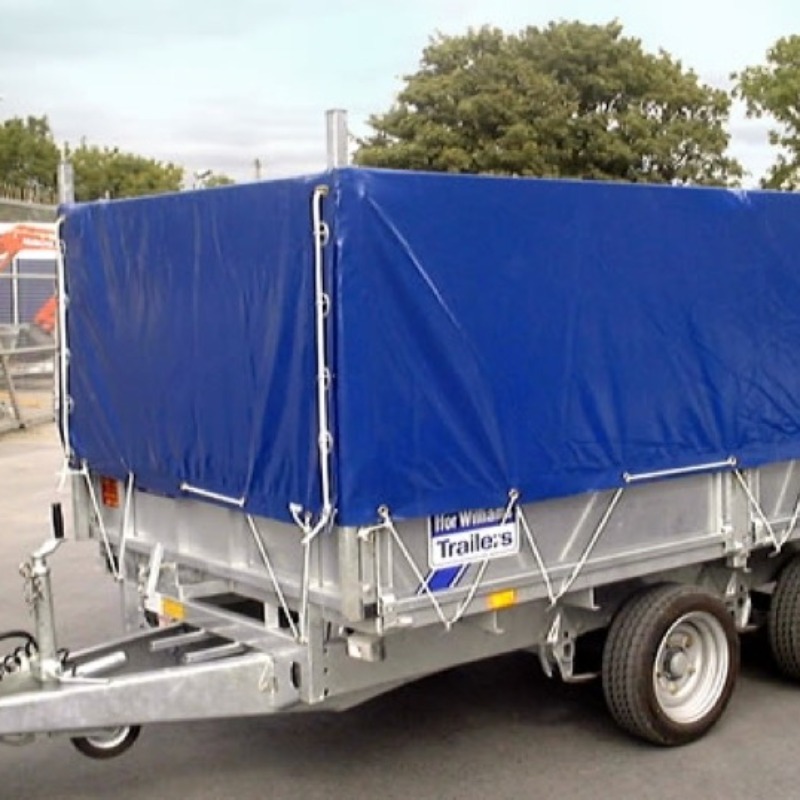
Truck side curtains, trailer tarps, and flatbed covers must protect cargo from rain, road spray, and wind-driven water across thousands of hours of road use — often in highly variable weather conditions. The tarpaulin faces abrasion from strapping and cargo contact, UV degradation from prolonged outdoor exposure, and mechanical stress from wind loading at highway speeds. PVC laminated tarpaulin of 600D–1000D+ specification is the industry standard for these applications, providing both the waterproof performance and the mechanical durability that transport operations require.
Industrial and Agricultural Covers
Machine covers, equipment covers, pallet covers, and commodity storage covers must provide long-term protection for assets that often remain covered for months or even years. The permanent waterproofing of PVC laminated tarpaulin, combined with its resistance to UV, temperature cycling, and biological degradation, makes it far superior to canvas or PE alternatives for these extended-duration protection applications. A quality PVC tarpaulin cover protecting expensive industrial machinery from water ingress can prevent repair costs that dwarf the cost of the tarpaulin itself many times over.
Tents, Awnings, and Temporary Structures
Event tents, market awnings, construction site shelters, and agricultural polytunnels all rely on fabric waterproofing to protect occupants, merchandise, or crops from rain. PVC tarpaulin used in these structures must maintain its waterproof integrity not only when new but after repeated setup and takedown cycles, exposure to UV over multiple seasons, and cleaning with detergents. The laminated PVC construction withstands all of these stresses without losing waterproof performance, making it the dominant material choice for commercial and semi-permanent structures.
Agriculture and Food Handling
Fruit picking bags, grain covers, and produce protection applications require waterproof fabric that is also non-contaminating and easy to clean. PVC laminated tarpaulin meets these requirements — its smooth, sealed surface does not harbor dirt or bacteria in fabric interstices, can be wiped or hosed clean, and maintains its integrity through repeated cycles of outdoor use in wet agricultural environments.
Curtains, Partitions, and Industrial Dividers
Industrial curtains, strip doors, and building partitions made from PVC tarpaulin provide not only waterproofing but also thermal insulation, noise reduction, and separation of wet and dry zones within industrial facilities. The waterproof surface prevents moisture migration through the partition, making PVC tarpaulin the standard specification for cold store curtains, car wash barriers, and wet processing area dividers.
Denier Count and GSM: Selecting the Right Specification for Your Application
All PVC laminated tarpaulins share the same fundamental waterproof construction, but the correct specification for a particular application depends on the mechanical demands — load, abrasion, tear resistance — that will be placed on the fabric. Choosing an appropriate denier count and GSM ensures that the tarpaulin delivers both waterproof performance and the structural integrity needed to remain intact and effective throughout its intended service life.
| Denier Range | Typical GSM | Strength Category | Recommended Applications |
|---|---|---|---|
| 300D – 500D | 250 – 400 GSM | Light duty | Temporary covers, light awnings, recreational tents, fruit bags |
| 600D – 900D | 400 – 600 GSM | Medium duty | Event tents, machine covers, pallet covers, curtains, pet doors |
| 1000D | 600 – 750 GSM | Heavy duty | Truck covers, trailer side curtains, equipment covers |
| 1200D and above | 750 – 900+ GSM | Industrial / extreme duty | Heavy freight curtainsiders, permanent structural membranes, bulk cargo covers |
The key principle is that all specifications in this range are waterproof — the denier and GSM selection is driven by the mechanical strength and durability requirements of the application, not by any difference in waterproof performance between specifications. A 300D tarpaulin and a 1200D tarpaulin both provide complete waterproofing; the higher denier is chosen when greater tear resistance, abrasion resistance, or load-bearing capacity is needed.
Factors That Can Compromise Waterproofing Over Time
While PVC laminated tarpaulin is genuinely waterproof and maintains its performance over long service lives, certain conditions and improper handling practices can eventually compromise the waterproof barrier. Understanding these factors helps users maximize the service life of their tarpaulin and maintain its waterproofing throughout its use.
Physical Damage to the PVC Surface
Deep cuts, punctures, or abrasions that penetrate through the PVC layer to expose the woven substrate create localized waterproof failures — water can enter through the exposed fabric weave at damage sites. This type of damage typically requires repair using PVC repair tape or heat-welded patch material. The key point is that the fabric's waterproofing is otherwise intact and undamaged; only the specific damaged location needs attention. High-denier tarpaulins are significantly more resistant to this type of physical damage, which is one reason heavier specifications are chosen for applications with high abrasion or puncture risk.
Prolonged UV Exposure Without Adequate Stabilization
Even with UV stabilizers, very prolonged UV exposure — beyond the design service life of the specific product — will eventually cause photodegradation. The first visible sign is chalking or fading of the surface color, followed by surface embrittlement and micro-cracking. Products intended for long-term outdoor installation should specify enhanced UV stabilizer packages, and the manufacturer's rated outdoor service life should be respected. Rotating tarpaulins or providing shade when not in active use can extend service life in high UV environments.
Seam and Edge Integrity
In fabricated tarpaulin products — truck covers, tents, and custom-shaped tarps — seams, hems, and edges are potential waterproof weak points if not properly constructed. Heat-welded seams are significantly more waterproof than sewn seams, because welding fuses the PVC layers at the join without creating needle holes through the fabric. For applications where seam waterproofing is critical, specifying heat-welded or HF-welded seam construction eliminates this vulnerability.
Chemical Exposure
Certain chemicals can attack and degrade PVC — particularly strong solvents (ketones, chlorinated solvents, aromatic hydrocarbons), concentrated acids, and oxidizing agents. Standard PVC tarpaulin is not suitable for containment or cover applications where direct contact with these chemicals is expected. However, for the vast majority of outdoor applications involving water, biological material, food, agricultural products, and general cargo, PVC laminated tarpaulin's chemical resistance is entirely adequate and its waterproof performance will not be chemically compromised.
Care and Maintenance to Preserve Long-Term Waterproofing
One of the practical advantages of PVC laminated tarpaulin's intrinsic waterproofing is that it requires very little maintenance to preserve — there is no wax, oil, or chemical treatment to reapply. However, some straightforward care practices will extend service life and maintain the appearance and performance of the tarpaulin across its full expected lifespan.
- Regular cleaning — wash with mild soap solution and water to remove dirt, bird droppings, and biological deposits; rinse thoroughly; these deposits, if left long-term, can harbor localized microbial activity that accelerates surface degradation
- Dry before storage — fold and store only when the tarpaulin is dry; although PVC does not absorb water, moisture trapped in folds during storage can promote localized soiling and edge staining
- Avoid sharp fold creasing — repeated folding along sharp creases at the same location can eventually cause micro-cracking in the PVC layer at that point; roll storage or loose folding with varying crease positions prevents this
- Inspect and repair damage promptly — small cuts or punctures repaired with PVC tape immediately after discovery prevent water ingress and prevent the damage from propagating; a small repair is always more cost-effective than replacement
- Avoid prolonged contact with incompatible materials — certain plasticizers used in PVC can migrate into and soften other PVC or rubber materials in prolonged direct contact; store PVC tarpaulins away from other plasticized materials to prevent surface staining or tackiness
Customization Options for Specific Waterproofing Requirements
The versatility of PVC laminated tarpaulin extends to the customization options available for buyers with specific requirements. From the base fabric specification through finished product dimensions and accessories, PVC tarpaulin can be tailored to match precise application needs.
Customizable parameters include:
- Denier count and GSM — adjusted to match the strength requirements of the specific application
- Width — standard widths range from approximately 1.5 m to 4 m or more, with wider fabrics reducing the number of seams required in large-area applications
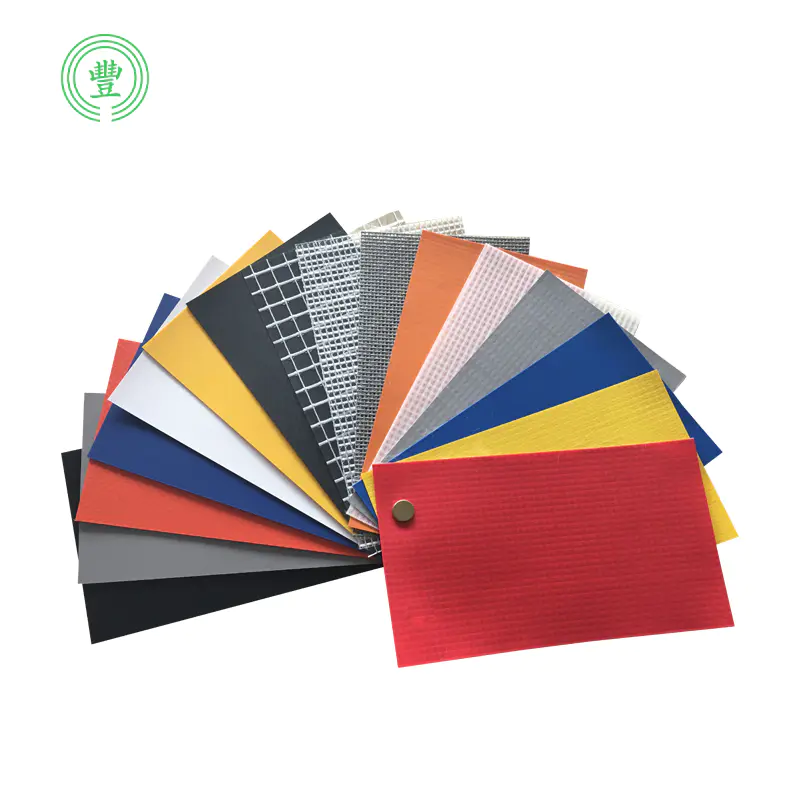
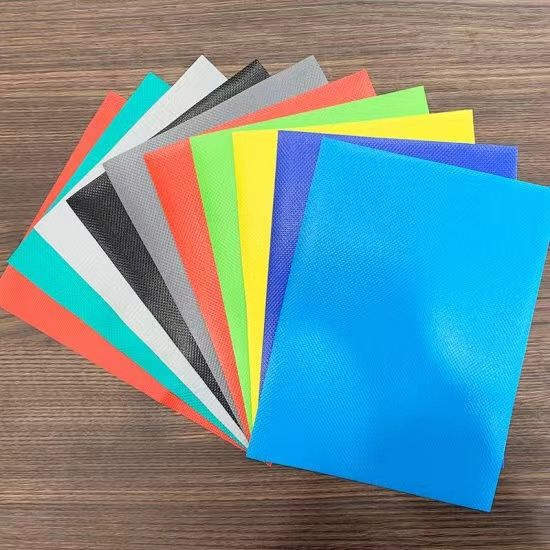
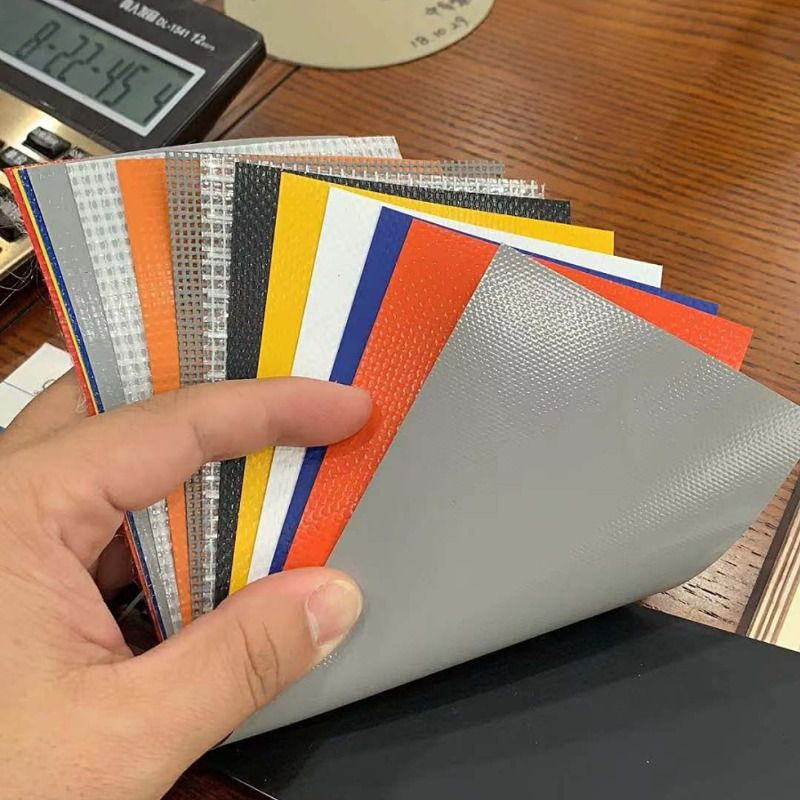
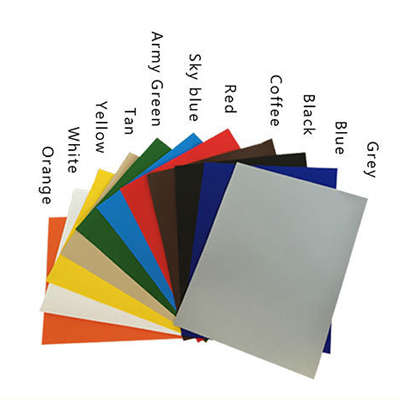
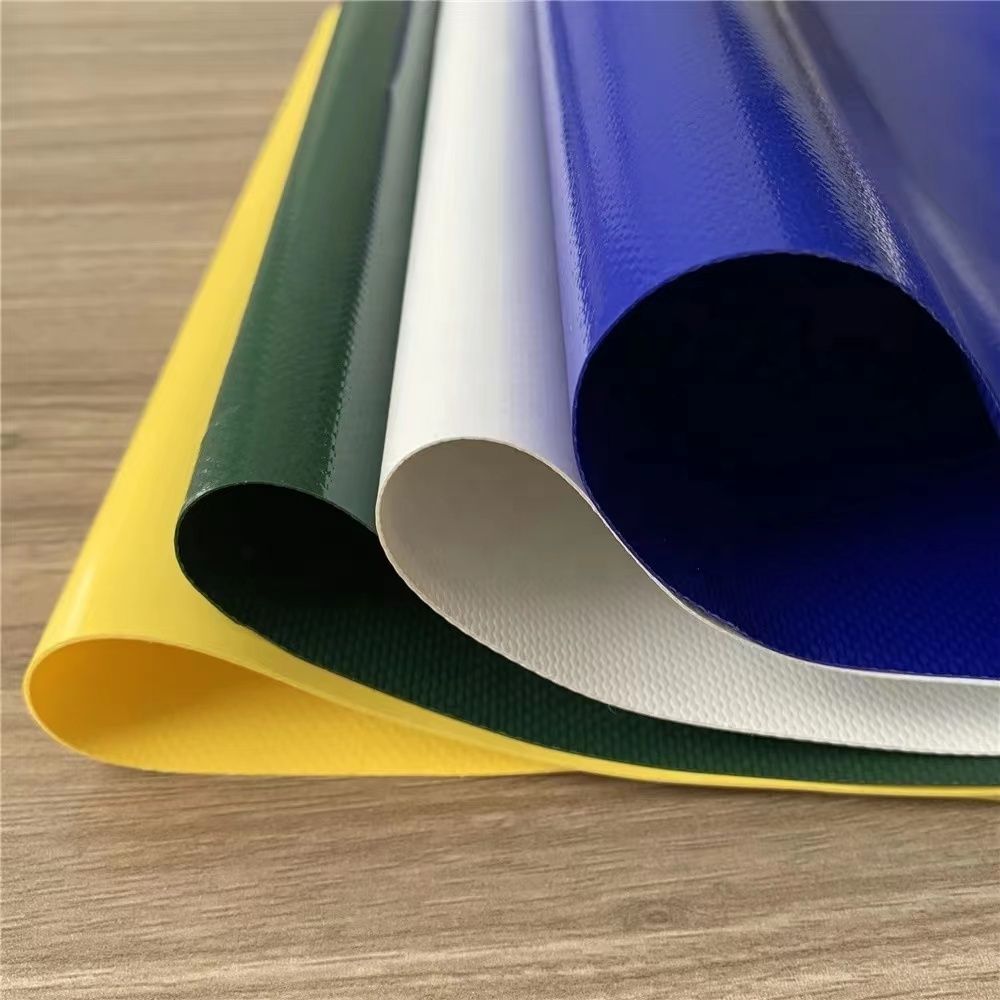
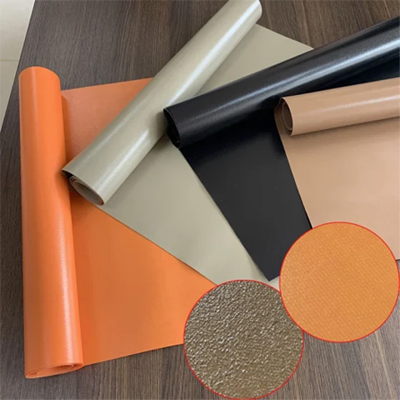
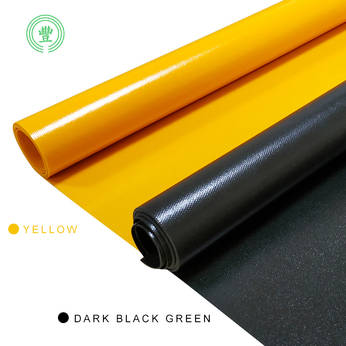
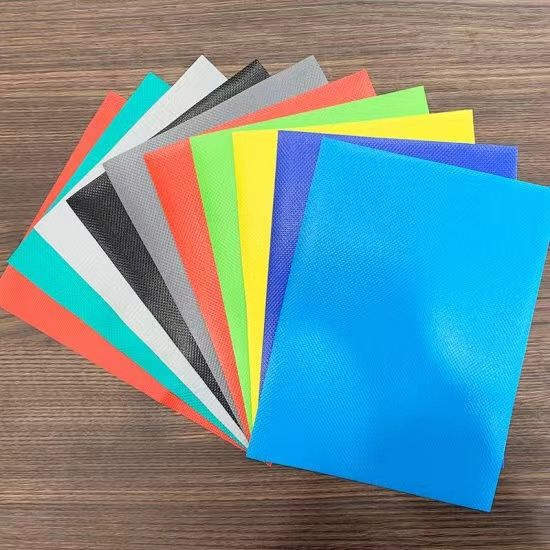
- Color — wide range of standard colors available; custom color matching possible for branded or application-specific requirements
- Surface finish — gloss, semi-gloss, or matte PVC surface finish; anti-slip textures for floor or ramp applications
- Additive packages — fire retardant, anti-static, anti-microbial, or cold-climate flexibility formulations
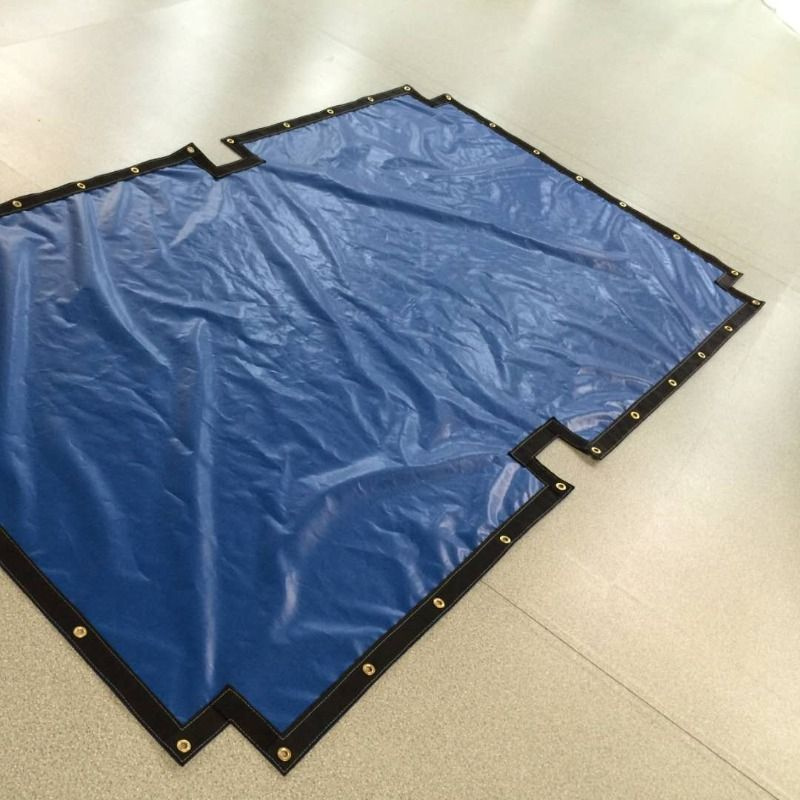
- Finished product fabrication — cutting, hemming, eyelet installation, strap attachment, and heat-welded seaming to produce ready-to-use covers, curtains, tents, or custom shapes
Sourcing Quality PVC Laminated Tarpaulin: Why Manufacturer Experience Matters
The waterproof performance described throughout this article is only guaranteed when the PVC laminated tarpaulin is produced with consistent quality — properly formulated PVC compounds, adequate coating thickness, correct lamination conditions, and appropriate UV stabilizer loading. Inconsistencies in any of these variables can result in tarpaulins that appear similar on inspection but perform very differently in service, particularly over extended periods of outdoor exposure.
Qidong Good Tarpaulin is a professional China PVC Laminated Tarpaulin Supplier and PVC Laminated Tarpaulin Company with more than 20 years of experience as a manufacturer and exporter of PVC tarpaulin fabric, PVC mesh fabric, and PVC canvas fabric. With over two decades of focused production expertise, the company has developed the process knowledge, material sourcing relationships, and quality control systems that consistently deliver tarpaulin products meeting their specified waterproof and mechanical performance across every production run.
Beyond supplying tarpaulin fabric by the roll, Qidong Good Tarpaulin also produces customized finished products tailored to customers' specific applications — including truck covers, trailer covers, machine covers, equipment covers, pallet covers, fruit pick bags, pet doors, curtains, and more. This capability to supply both base fabric and fully fabricated products from the same manufacturing source ensures that the waterproof integrity of the fabric is matched by the waterproof quality of the seaming, hemming, and accessory installation in the finished product.
PVC laminated tarpaulin is waterproof — and when sourced from an experienced, quality-focused manufacturer, it remains waterproof throughout a long outdoor service life. That combination of intrinsic material performance and manufacturing quality is what makes it the trusted choice for waterproof protection across industries and applications worldwide.