
Call Us
+86-18962820095

 Español
Content
- 1 What Core Material Properties Matter Most for PVC Canvas?
- 2 What Thickness and Weight Suit Different Outdoor Uses?
- 3 How to Evaluate Waterproof and Weatherproof Performance?
- 4 What Durability Features Extend the Canvas’s Lifespan?
- 5 How to Match Canvas Specifications to Specific Outdoor Applications?
- 6 What Additional Considerations Ensure Practical Use and Maintenance?
What Core Material Properties Matter Most for PVC Canvas?
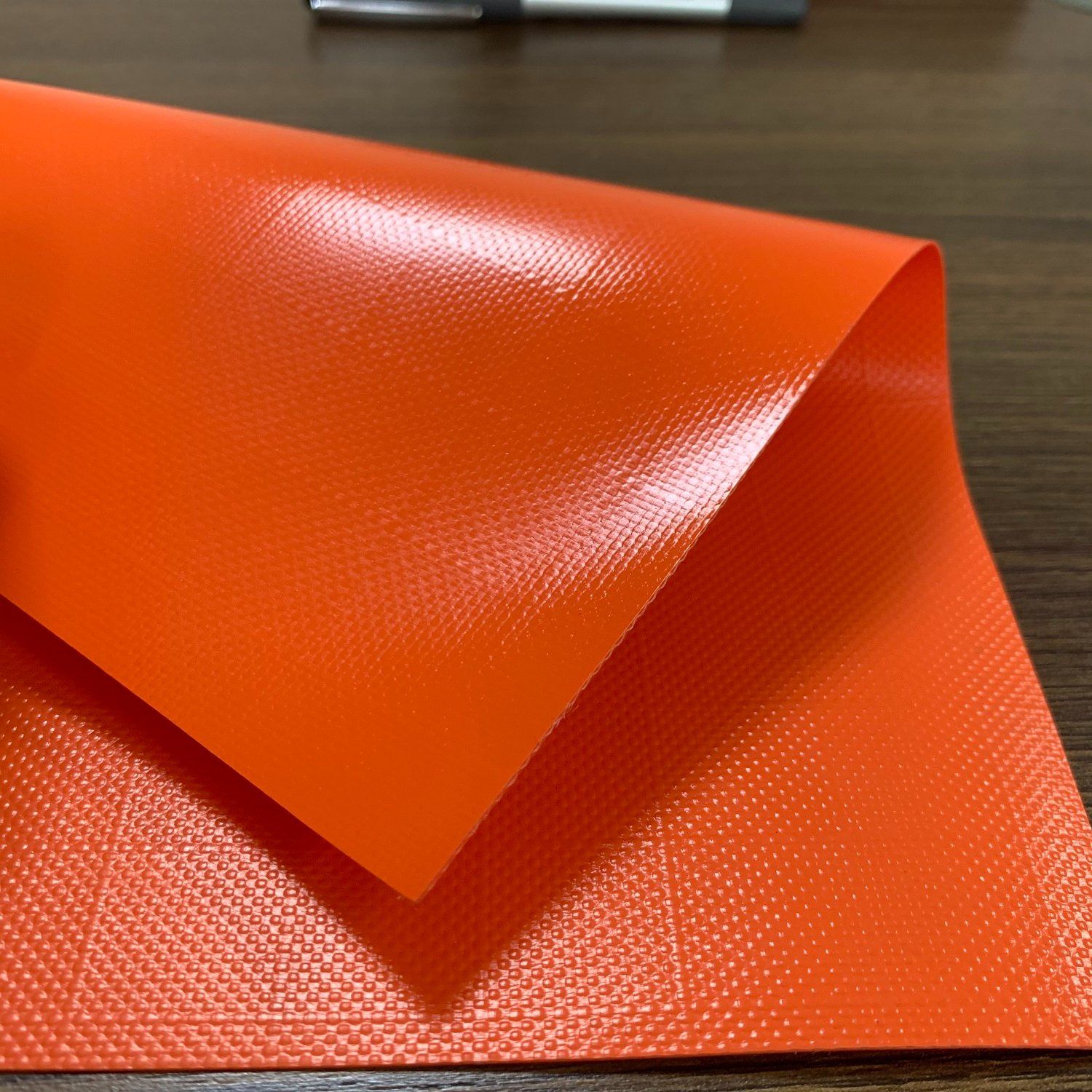
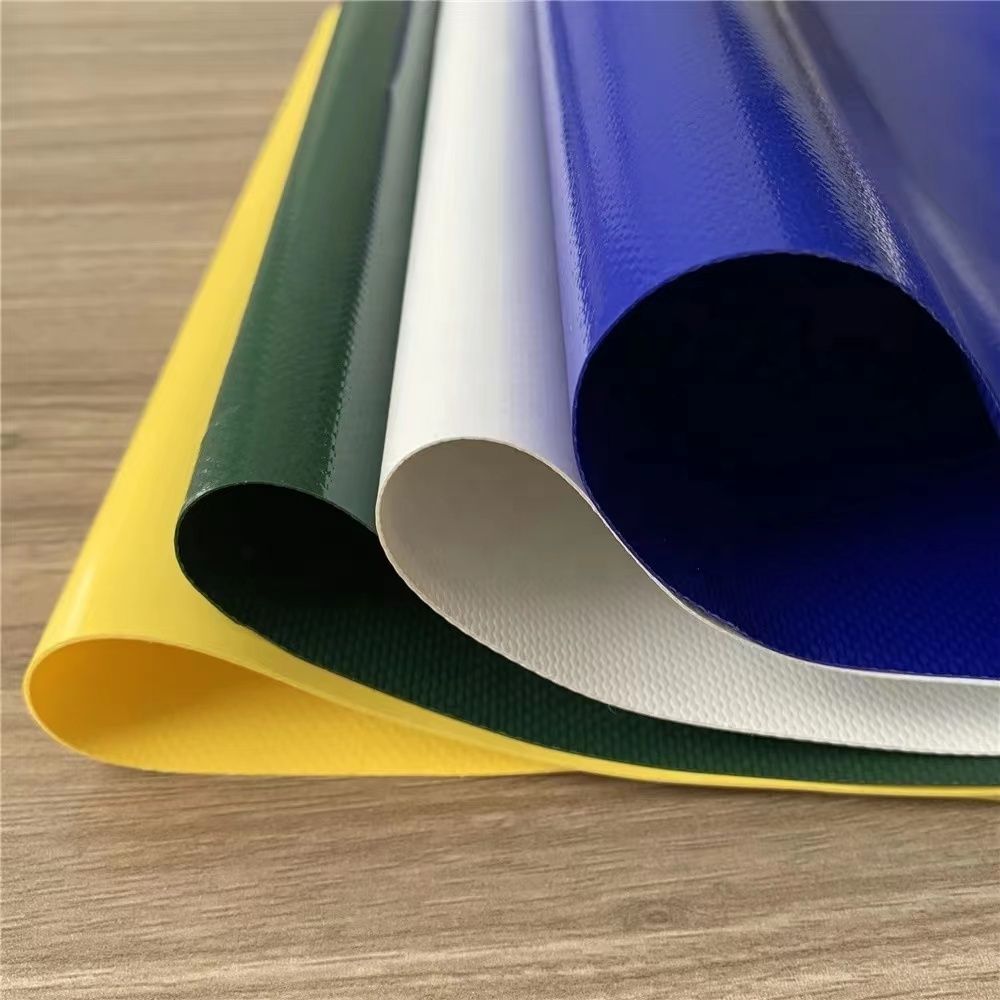
When selecting PVC canvas for outdoor use, the base fabric and coating quality are foundational. Opt for canvas with a high-density polyester or nylon base—these materials offer superior tensile strength and resistance to tearing compared to lower-grade fabrics. The PVC coating should be uniform and thick enough to form a barrier against moisture, with a smooth finish that resists cracking or peeling over time. Look for canvas labeled as "vinyl-coated" or "PVC-laminated" (the latter provides better durability as the coating is bonded directly to the base fabric). Additionally, check for UV stabilization in the coating—this additive prevents fading, brittleness, and degradation caused by prolonged sun exposure, a critical feature for outdoor applications.
What Thickness and Weight Suit Different Outdoor Uses?
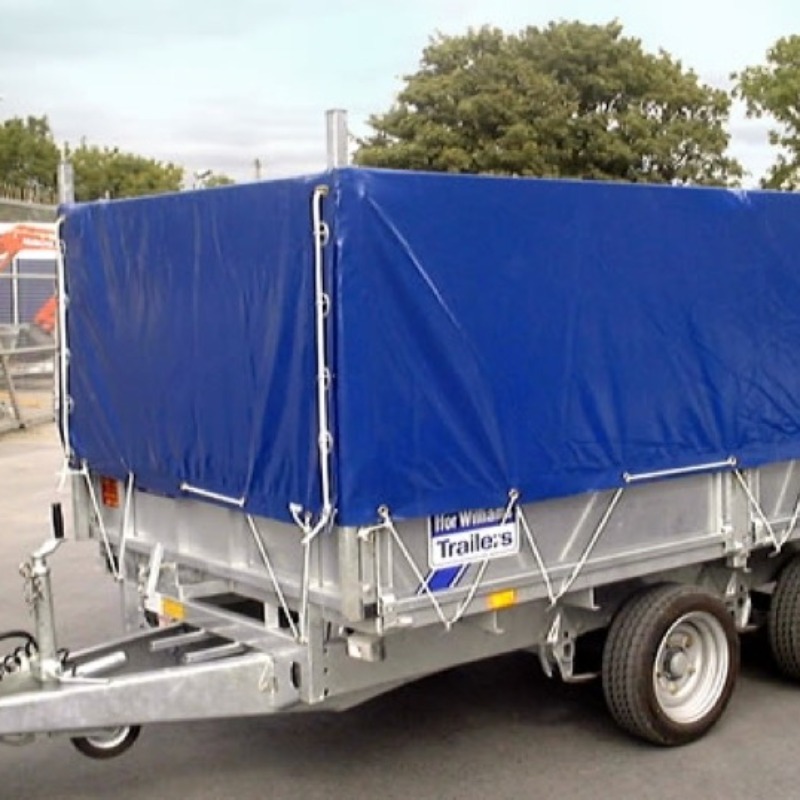
Thickness and weight directly impact the canvas’s performance for specific purposes. For outdoor tents that require portability, a medium-weight canvas (between 400g/m² and 600g/m²) strikes a balance between durability and ease of setup—thinner options may lack strength, while heavier ones become cumbersome to transport. Awnings, which need to withstand wind and regular use, benefit from slightly thicker material (600g/m² to 800g/m²) to maintain structural stability without sagging. Truck covers demand the sturdiest option (800g/m² or higher) to resist abrasion from cargo, road debris, and harsh weather conditions. Remember: thickness alone isn’t everything—canvas with a reinforced weave (such as a 10x10 or 12x12 thread count per inch) offers better tear resistance than a thinner, loosely woven alternative.
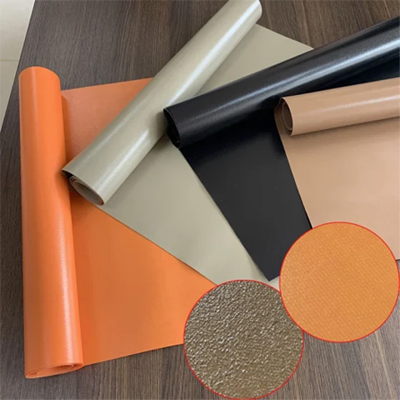
How to Evaluate Waterproof and Weatherproof Performance?
Waterproofing is non-negotiable for outdoor PVC canvas, but not all options are equal. Look for canvas with a hydrostatic head rating of at least 3000mm—this means it can withstand water pressure equivalent to a 3-meter column without leaking, suitable for heavy rain. For areas with extreme precipitation, aim for a rating of 5000mm or higher. Beyond waterproofing, check for resistance to other weather elements: mildew resistance is essential for humid environments (look for anti-fungal treatments in the coating), while cold-crack resistance ensures the canvas won’t become brittle in freezing temperatures. For coastal or industrial areas, choose canvas with corrosion-resistant properties to protect against salt spray or chemical exposure.
What Durability Features Extend the Canvas’s Lifespan?
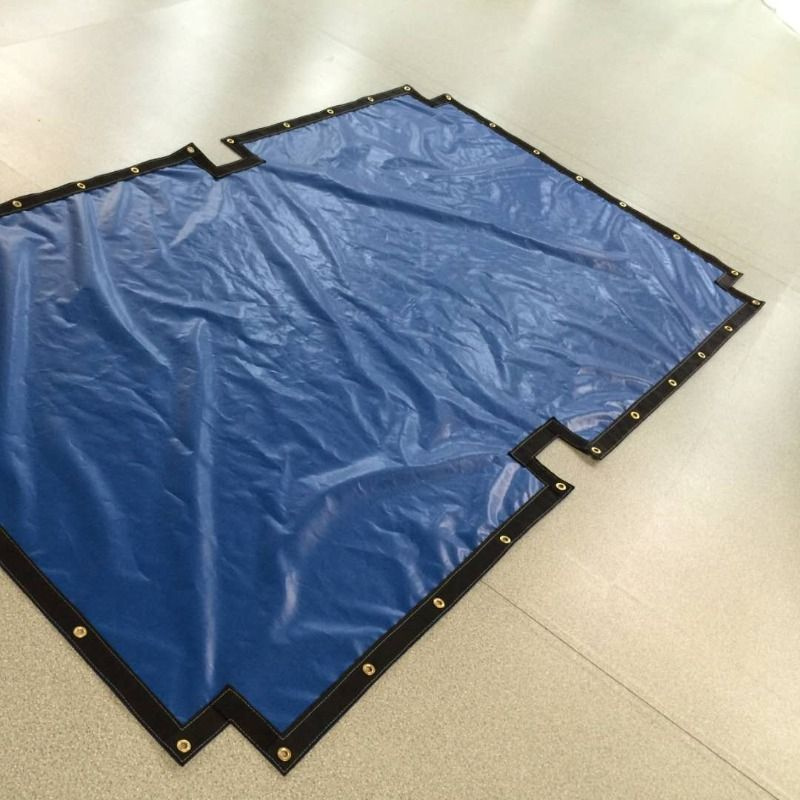
Longevity depends on additional structural and material enhancements. Reinforced hems with double stitching prevent fraying at stress points, such as tent corners or awning edges. Grommets (metal or heavy-duty plastic) should be rust-proof and evenly spaced to allow secure attachment without tearing the canvas. For truck covers, consider options with reinforced panels in high-wear areas (like the roof or tailgate) to withstand frequent loading and unloading. The PVC coating’s flexibility is also key—canvas that remains pliable in temperature fluctuations won’t crack or split over time. Avoid canvas with thin or uneven coating, as it’s prone to peeling and will fail prematurely under outdoor stress.
How to Match Canvas Specifications to Specific Outdoor Applications?
The ideal PVC canvas should align with the unique demands of its use case. For outdoor tents, prioritize breathability (look for canvas with micro-ventilation features) to prevent condensation buildup inside, along with lightweight design for easy carrying. Awnings require UV resistance above all else to block sunlight effectively, plus wind resistance—choose canvas with a tight weave and reinforced attachment points to withstand gusts. Truck covers need full waterproofing and abrasion resistance, so opt for heavy-duty fabric with a smooth inner lining to protect cargo from scratches. For all applications, consider the local climate: in hot, sunny regions, focus on UV stabilization; in rainy areas, prioritize high hydrostatic ratings; and in cold zones, select canvas with cold-crack resistance.
What Additional Considerations Ensure Practical Use and Maintenance?
Practicality and ease of care contribute to the canvas’s overall value. Look for canvas that is easy to clean—mold-resistant options can be wiped down with mild soap and water, while machine-washable (for smaller items like tent rainflies) saves time. For large items like truck covers, consider the weight and whether it can be handled by one or two people. Storage is another factor: canvas that folds compactly without creasing or damaging the coating is easier to store when not in use. Avoid canvas treated with harsh chemicals that may irritate skin or damage cargo—opt for non-toxic, eco-friendly coatings when possible. Finally, check for compatibility with accessories like ropes, bungee cords, or tent poles—grommet size and spacing should match standard hardware for secure installation.