
Call Us
+86-18962820095

 Español
Content
A hunting outfitter ordering thirty portable blinds for opening weekend does not care only about the pattern. The cover will sit in rain, sun and wind for months, and a faded, flapping sheet in the middle of a food plot ends the hunt before it starts. That is the core truth about camouflage tarpaulins: the print decides how well a cover hides, while the base fabric and PVC coating decide how long the concealment lasts. Buyers who treat camo covers as printed novelty sheeting usually replace them within a season. Buyers who check weight, denier and UV treatment get covers that hold both colour and strength for years. If you are still deciding between material families, start with our overview of what tarpaulin fabric is usually made of, then come back to the camouflage specific points below.
What Makes a Camouflage Tarpaulin Different
Every camouflage tarpaulin is a sandwich, and each layer does a separate job. The polyester base fabric, commonly woven from 500D to 1300D yarn, carries the mechanical load and sets the ceiling for tear strength. The PVC compound on both faces blocks water, resists abrasion and shields the weave from sunlight. The camouflage finish, applied by printing or by laminating a pre printed film onto the surface, is the only layer a passing deer or a site inspector will ever notice. That asymmetry is why experienced buyers judge the invisible layers first and treat the pattern as the final step, not the main one.
The finish still involves real decisions. A matte surface is close to mandatory for hunting and observation work, because a glossy cover flashes under moonlight, headlights or a low sun and betrays the position it is meant to hide. Pattern scale matters as well: broad woodland blocks read naturally at distance, which suits truck and equipment covers, while finer patterns suit ground level blinds seen from a few meters away. Many buyers also order a solid colour on the reverse face, so the same roll works as an ordinary utility tarp when concealment is not required.
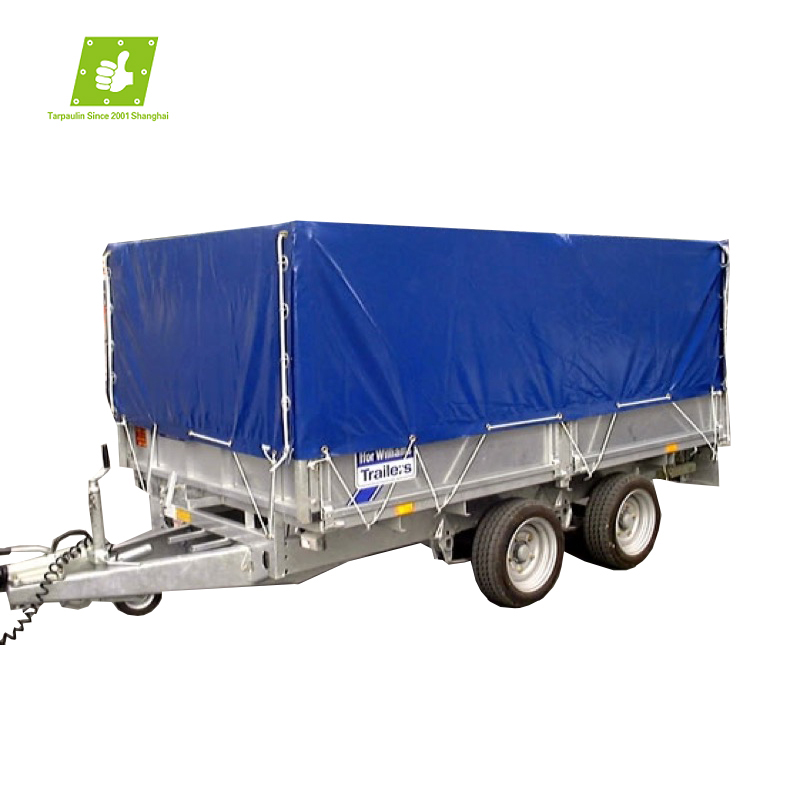 Waterproof Anti Uv Flame Retardant Heavy Duty Flexible High Strength Pvc Coated Tarpaulin PVC coated tarpaulin is industrial grade for heavy-duty outdoors use. It is waterproof and has high abrasion and tear strength. It is effective against oil, acid, grea...View Product →
Where Camouflage Tarpaulins Earn Their Keep
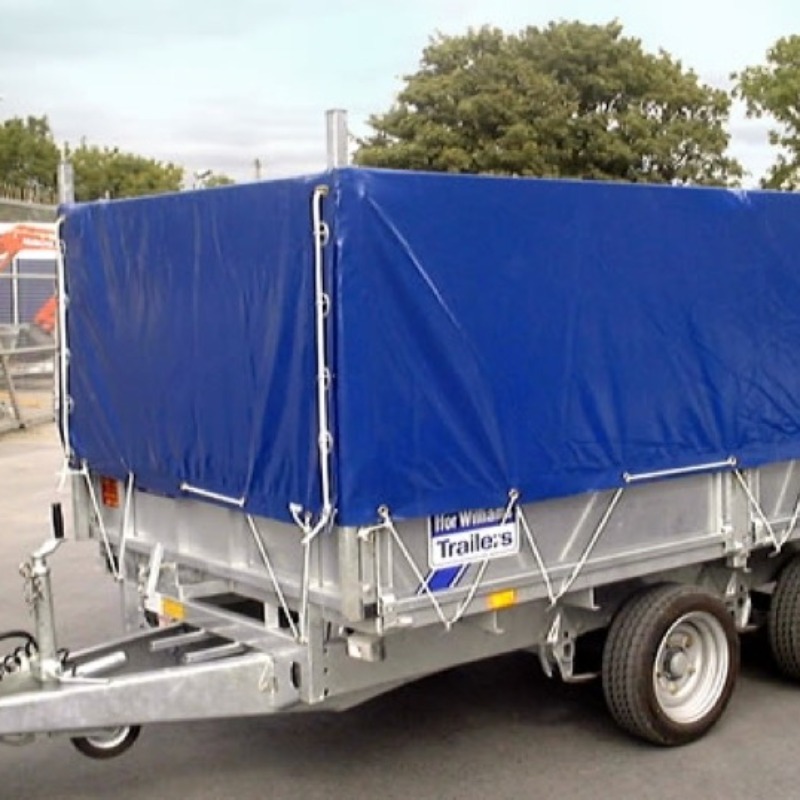
Hunting outfitters use camo fabric for ground blinds, tower blind roofs and shooting hides, where the material must stay quiet, flexible and invisible at close range. Wildlife photographers and surveillance teams build semi permanent hides from the same cloth and often leave covers in place for years, which pushes the specification toward heavier fabric and stronger UV treatment. Event and site managers use camo screening to blend equipment, staging areas and temporary fencing into wooded surroundings. Forestry and agricultural operators specify camo truck and trailer covers for appearance, and because heavy coated fabric also shields cargo from casual attention. Campgrounds and glamping sites increasingly order camo covers for storage zones and service tents that need to disappear into the tree line.
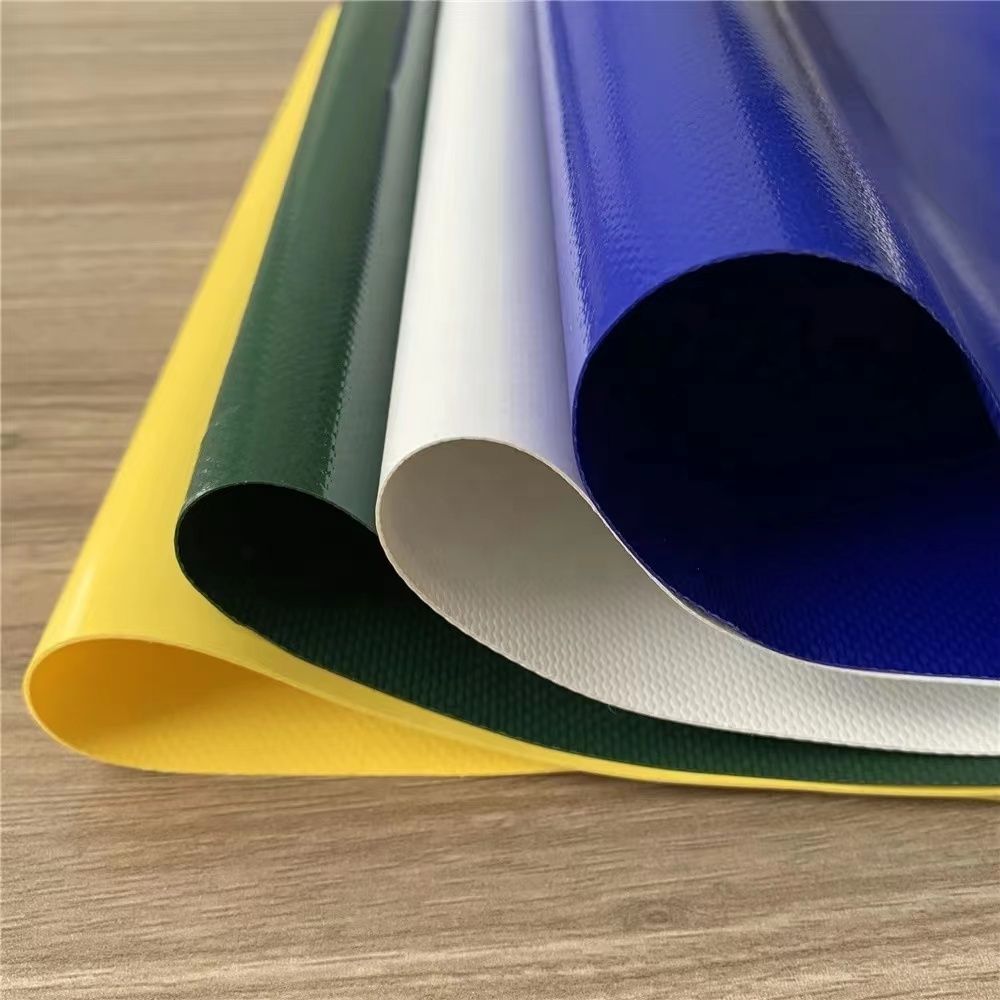 Heavy Duty PVC Tarpaulin SupplierWATERPROOF HEAVY DUTY BAG TENT CAMPING PILYESTER TARP 500D 840D 1000D 1300D PVC TARPAULIN FOR TRUCK TRALIER COVER PVC coated tarpaulin is industrial grade for heavy-du...View Product →
Specifications That Decide Field Performance
Weight, yarn thickness and surface treatment decide whether a camouflage cover performs for one season or five. The table below gathers the specifications that matter most in daily use, with typical ranges used across the coated fabric industry. Treat the ranges as a starting point for discussion rather than fixed rules, since a specific application can shift the best choice. Notice that the camouflage pattern itself appears nowhere in the table, because it is the least technical part of the product.
| Specification | Typical range | What it changes in the field |
|---|---|---|
| Fabric weight | 450 to 650 gsm | Heavier cloth resists abrasion and wind flutter but adds packed bulk |
| Yarn denier | 500D to 1300D | Thicker yarns raise tear and tensile strength for frame mounted covers |
| Coating method | Coated or laminated | Determines flexibility, surface feel and resistance to edge wear |
| Surface finish | Matte to gloss | Matte faces cut the glare that spooks game and reveals positions |
| UV stabilisation | UV package in compound | Slows strength loss and keeps the camo pattern from bleaching out |
| Flame retardancy | FR additive grades | Needed for public campsites, events and site screening compliance |
The Numbers Behind the Fabric
Specifications become easier to negotiate when the relationships between them are visible. The two charts below summarise how weight and denier map onto real applications, using typical industry figures for PVC coated polyester, simplified for comparison. Use them to place your own application before requesting quotations.
Typical Weight by Application
The chart above maps typical fabric weights to the jobs camouflage covers actually do. Site screening can stay light because it mostly needs to break up sightlines and survive one season of wind. Tent flies and camping shelters sit in the middle range, where folded bulk matters nearly as much as durability. Hunting blinds and truck covers justify heavier cloth, because abrasion, branch contact and long weather exposure punish thin fabric quickly. As a rule of thumb, every extra 100 gsm adds handling tolerance but also packed weight, so match the number to how the cover will be deployed. A blind carried into timber every weekend justifies 600 gsm, while a seasonal fence screen does not.
Tear Strength by Yarn Denier
This column chart shows how tear strength climbs with yarn denier, using typical values for PVC coated polyester. At 500D the fabric stays flexible and light, which suits portable blinds that are folded every day. Moving up to 840D and 1000D raises tearing resistance noticeably, which matters wherever covers stretch over frames or catch on branches. At 1300D the material approaches industrial cover territory, trading softness for strength in fixed installations. The relationship is not perfectly linear in every weave, but the trend is consistent enough to guide a specification. When a customer reports a history of failures with 500D covers, stepping up one denier grade usually resolves the problem.
UV Exposure and Print Life
Ask any fabric engineer what shortens the life of an outdoor cover and the answer is rarely rain. Water simply rolls off PVC, while ultraviolet radiation attacks the polymer itself, embrittling the surface and bleaching pigments. For camouflage fabric that means the concealment function fades along with the mechanical one, because a washed out pattern stands out against living vegetation. Covers often fail at seams and stress points long before anyone notices the colour change. That is why UV stabilisation belongs in the PVC compound, not only in the print layer.
The lines above compare strength retention for a UV stabilised compound and a standard PVC compound over two years of outdoor exposure. Both start at full strength, then separate sharply after the first summer of sunlight. The stabilised compound still holds roughly the mid eighties of its original strength at the twenty four month mark, while the untreated material falls toward half. For camouflage tarpaulins the stakes are doubled, because UV attacks both the polymer and the printed pattern at the same time. Retained strength keeps welded seams and grommet points intact while the cover flexes in wind. If a cover will live outdoors for more than one season, confirm the UV package before comparing prices.
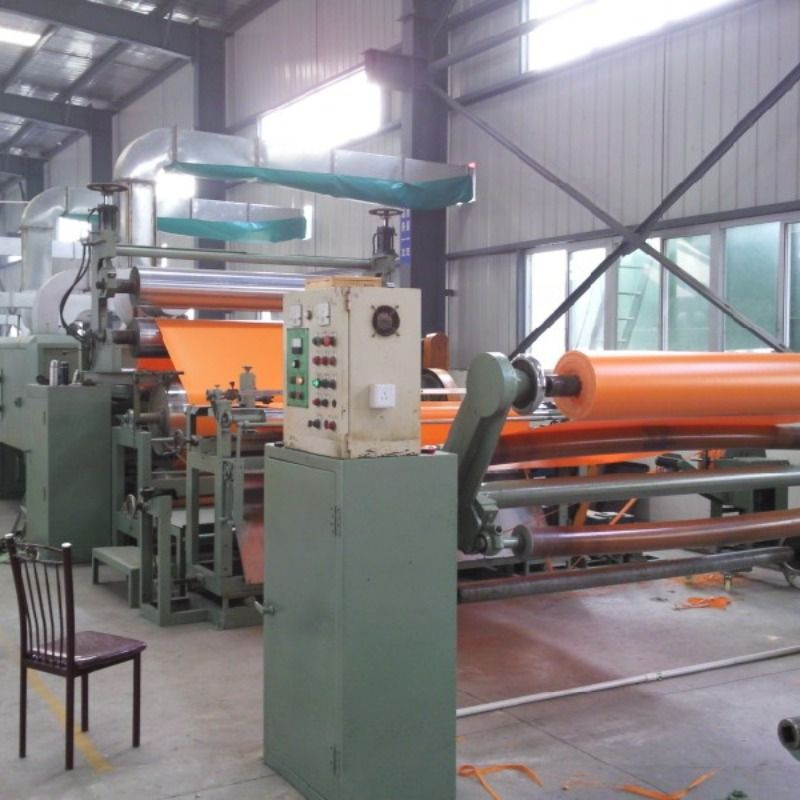 Heavy Duty Waterproof Heavy Duty Vinyl Canvas Tarp Polyester UV Resistant Anti UV PVC TarpPVC coated tarpaulin is industrial grade for heavy-duty outdoors use. It is waterproof and has high abrasion and tear strength. It is effective against oil, acid, grea...View Product →
How Camo PVC Compares With the Alternatives
Most buyers arrive at camouflage PVC tarpaulin after trying the cheaper options. Woven polyethylene camo tarps are light and inexpensive but tear at reinforced corners and stiffen with age. Camouflage mesh fencing breaks up outlines and cuts wind glare, yet the open weave cannot shed rain. The radar chart below places the three options side by side across the six properties that come up most often in purchase discussions.
The radar chart compresses the comparison into a single shape per material, read from the center outward on a scale of one to five. Camouflage PVC tarpaulin holds the widest polygon because a closed coating, a heavy weave and a durable printed finish score well on almost every axis. A woven polyethylene camo tarp costs less and folds smaller, but its thin tape construction loses clear ground on tear strength, flame behaviour and service life. Camouflage mesh handles wind and sightlines yet scores low on waterproofing, since the open weave lets rain pass straight through. Read the chart as a coverage map: the wider the polygon, the broader the range of jobs the material can take on. For permanent or semi permanent concealment, the PVC polygon is the one that stays wide in every direction.
A Buying Checklist Before You Order
Run a potential supplier through the checks below before approving production. Each item has ended negotiations at the sample stage for good reason, and skipping them rarely saves money once covers are deployed.
- Match the palette to the terrain, since woodland patterns vanish in hardwood forest yet stand out in dry grassland, and desert or snow palettes follow the same logic in reverse.
- Insist on a matte surface on the camouflage face and test it under direct light before approving bulk production.
- Ask how the pattern is applied, because print adhesion and laminated film bonding age very differently outdoors.
- Confirm base fabric weight and denier in writing, since a printed light fabric cannot be rescued by a good pattern.
- Check welding compatibility, because PVC camo fabric must high frequency weld or hot air weld cleanly for blind and tent construction.
- Request a sample panel and expose it to sun and rain for two to four weeks before committing to a full order.
The pattern on a camouflage tarpaulin sells the product, but the coating specification keeps the promise. A well built camo cover pairs a 500D to 1300D polyester base, a properly stabilised PVC compound and a matte, abrasion resistant finish, then adds fabrication such as welded seams, reinforced grommets and hemmed edges. Ordering directly from an experienced PVC tarpaulin manufacturer makes it practical to align pattern, weight and treatment with the exact deployment, whether that is thirty hunting blinds or a full season of site screening. Buyers who specify the invisible layers first end up with covers that stay hidden and stay intact for years rather than weeks.